
TL;DR
Open a free Amazon Business account
Business pricing, bulk buying and tax-exempt orders.
Create a free accountAs an affiliate, we earn on qualifying purchases.
This guide offers a room-by-room look at non-slip solutions that boost safety at home. From rugs and coatings to smart tech, learn how to reduce falls and make every space safer with simple, effective choices.
Slips and falls happen in the blink of an eye. A quick step on a slick bathroom floor or a slippery kitchen tile can turn a simple day into a dangerous accident. But the good news? You can make your home much safer with straightforward solutions.
This guide walks you through effective, stylish non-slip options for every room—helping you prevent accidents while keeping your home looking great. Whether you’re caring for children, elderly loved ones, or just want peace of mind, these tips are your everyday safety allies.
Choose non-slip rugs and coatings suited to each flooring type for best results.
Regular maintenance and timely reapplication keep slip resistance high over time.
Innovations like nano-coatings and smart materials provide invisible, durable safety.
Prioritize high-risk zones like bathrooms and stairs with targeted solutions.
Budget wisely—investing in quality non-slip options can prevent costly falls and injuries.
Non-Slip Solutions for Every Room
Slips happen in a blink—but prevention can be simple. Match rugs, mats, coatings and grip treatments to each room, flooring type and level of risk to create a safer home without sacrificing style.
Match the grip to the space
Every room creates a different combination of moisture, traffic and flooring. Start with the hazard, confirm surface compatibility, then choose the least intrusive solution that delivers dependable traction.
Bathroom
Use textured suction-cup mats inside the shower and washable, rubber-backed mats outside. A clear tile treatment offers seamless, longer-term grip.
Kitchen
Place low-profile rubber-backed mats at the sink and stove. Add adhesive strips on steps or uneven transitions where targeted traction is needed.
Living Room
Choose low-pile rugs with integrated non-slip backing or a correctly sized rug pad. Keep edges flat and clear of primary walking routes.
Entryway
Use absorbent, low-profile mats with strong backing to capture rain and dirt. Ensure doors pass freely over the mat without catching.
Stairs & Hallways
Install textured treads or anti-slip tape across the full usable step width. Use backed runners on hardwood only when securely anchored.
Patio & Outdoor
Apply exterior-rated textured sealers or non-slip paint. Select treads and strips designed to withstand moisture, frost and temperature changes.
Choose by surface, not packaging
The strongest solution is the one designed for your exact floor. Test coatings in an inconspicuous area and follow preparation, curing and ventilation instructions carefully.
| Solution | Best surfaces | Installation | Durability | Appearance | Watch for |
|---|---|---|---|---|---|
| Backed rug or mat | Wood, tile, vinyl | ✓ Easy | ~ Medium | Decorative | Movement, curled edges, trapped moisture |
| Clear coating | Tile, wood, concrete | ~ Careful prep | ✓ High | Nearly invisible | Surface compatibility and cure time |
| Adhesive strip | Stairs, ramps, transitions | ✓ Simple | ✓ High | Visible accent | Peeling edges and poor adhesion |
| Textured sealer | Concrete, patios, paths | ~ Moderate | ✓ Weather-ready | Subtle texture | Reapplication after heavy weather |
| Loose decorative rug | Dry, low-traffic zones | ✓ Easy | ✗ Low | Highly decorative | Unsafe without a fitted non-slip pad |
Invisible grip is getting smarter
Nano-coatings, adaptive materials and modular surfaces expand the choices beyond conventional mats. Their advantage is subtle protection—but only when product claims match the floor and use case.
Grip without visual clutter
A practical scorecard for comparing newer treatments. Values show relative design priorities, not laboratory ratings.
Your five-step safety chain
Non-slip protection is a cycle, not a one-time purchase. Connect the room, surface, solution, installation and maintenance decisions to avoid weak links.
Spot hazards
Walk the home and mark wet zones, stairs, transitions and high-traffic paths.
Check surfaces
Identify wood, tile, vinyl, laminate or concrete before selecting a product.
Match solutions
Balance grip, aesthetics, permanence, cleaning needs and household mobility.
Install correctly
Clean and dry the surface, secure every edge and observe curing instructions.
Maintain grip
Clean routinely, test traction and replace or reapply at the first sign of wear.
Where to act first
Relative household priorityFive rules for safer footing
The best result balances safety, appearance and upkeep. Quality products help, but correct placement and consistent inspection determine whether protection lasts.
Choose rugs and coatings designed for the exact flooring beneath them.
Clean, inspect and reapply solutions before their grip noticeably declines.
Consider invisible nano-coatings and modular materials where style matters.
Prioritize bathrooms and stairs, where exposure and consequences are highest.
Invest in dependable products and installation to avoid preventable injury costs.
How to Choose the Right Non-Slip Solution for Your Hardwood Floors
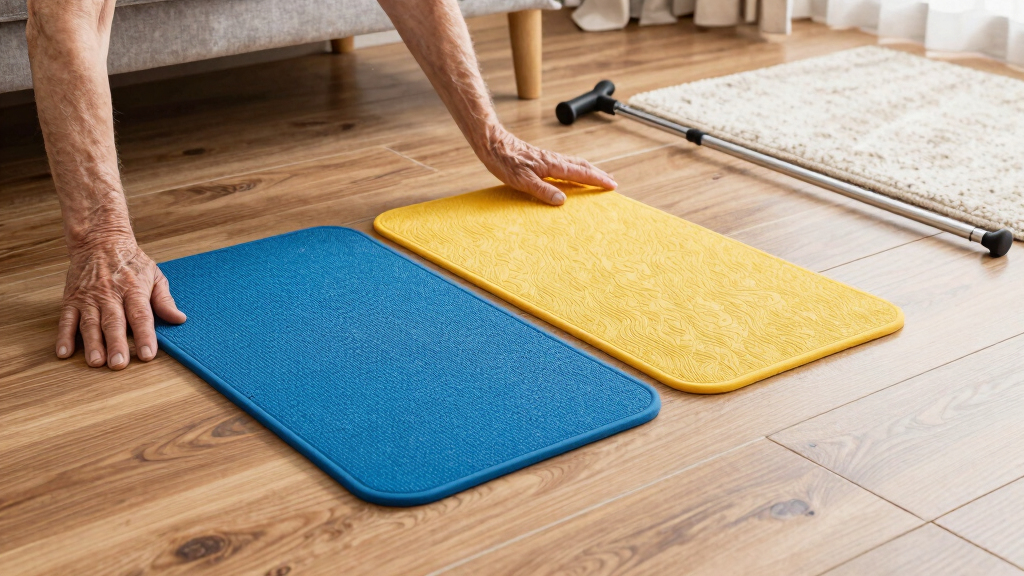
Hardwood floors are beautiful but can be slippery, especially when wet. The best approach? Use a combination of non-slip rugs and protective coatings. Consider a textured rug with a non-slip backing for high-traffic areas like hallways and living rooms. For a more permanent fix, apply a clear, non-slip coating designed for wood surfaces. These coatings create a rougher surface without altering the look or feel of your floor.
Choosing between rugs and coatings involves understanding their tradeoffs. Rugs add softness and style but can shift or wear over time, requiring regular repositioning or replacement. Coatings offer a long-lasting, invisible grip but involve more initial effort and expense. The implications matter because the right solution balances safety, aesthetics, and maintenance—ignoring these factors might lead to ineffective safety measures or costly repairs down the line. The key is to assess your specific space, foot traffic, and aesthetic preferences to decide which approach or combination works best for your needs.

GORILLA GRIP Bath Rug Mat, Thick Soft Absorbent Chenille, Quick Dry Microfiber Mats, Rubber Backing, Machine Washable Shower Floor Rugs, Bathroom Bathmat Home Decor Accessories, 24×17 Grey
- Award-Winning Design: Recognized at 2026 HuffPost Shopping Awards
- Soft and Thick Chenille: Nearly 1 inch plush, cozy pile
- Ultra Absorbent Material: Captures moisture to keep floors dry
As an affiliate, we earn on qualifying purchases.
As an affiliate, we earn on qualifying purchases.
Safe Steps in the Bathroom: Non-Slip Mats and Treatments That Really Work
Bathrooms are prime slip zones—water, soap, and smooth tiles make for a dangerous combo. The simplest fix? Use textured, non-slip mats inside the shower and on the bathroom floor. Look for mats with suction cups that grip well and are easy to clean. For a more seamless solution, consider applying a non-slip treatment to your tiles. These clear coatings bond to the surface, providing grip without changing the look.
It’s important to understand that the choice of mats versus coatings involves a tradeoff between ease of installation and long-term durability. Mats are quick to set up and replace, making them ideal for temporary or seasonal needs, but they can shift or harbor mold if not maintained properly. Coatings, on the other hand, require proper application and curing but offer a nearly invisible, permanent solution that resists wear. The implications are significant: improper selection might lead to a false sense of security or increased maintenance costs. For example, a poorly applied coating might peel or become slippery if not suitable for your tile type, while a cheap mat may need frequent replacement. Weighing these factors ensures your safety measures are both effective and sustainable.
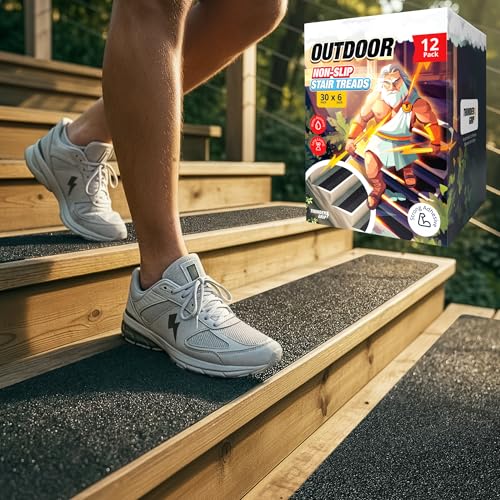
Outdoor Stair Treads Non-Slip 30" x 6" 12-Pack Waterproof 80-Grit Grip Tape
- Maximize Stability: 12-pack waterproof non-slip stair treads
- Heavy-Duty Waterproof Design: Durable outdoor grip tape with strong adhesive
- Easy to Install: Quick application for instant stability
As an affiliate, we earn on qualifying purchases.
As an affiliate, we earn on qualifying purchases.
Kitchen Safety: Non-Slip Mats and Adhesive Strips to Prevent Accidents
The kitchen is a hub of activity, but spills and splashes turn floors into slip hazards. Use rubber-backed non-slip mats in front of the sink and stove. For stairs or uneven surfaces, adhesive strips provide extra grip. These strips are easy to apply—just peel and stick—and they stay put even when wet. Regular cleaning of these mats and strips is key to maintaining their grip and longevity.
Understanding the tradeoffs here is crucial. Non-slip mats are comfortable and versatile but may shift or wear down over time, especially in high-traffic areas or if not properly maintained. Adhesive strips are more durable and can be precisely placed on problem spots, but their effectiveness depends heavily on correct installation and surface compatibility. If not properly applied, they can peel or lose their grip, creating a false sense of security. The implications? Investing in quality products and proper application techniques can prevent accidents and reduce replacement costs, but neglecting these details might compromise safety or lead to additional expenses. Regular inspection and cleaning are essential to ensure these solutions continue to perform effectively, minimizing risk during busy cooking times.

UltraShield Ready To Use (RTU) – High-Gloss Floor Finish, Scratch-Resistant, Slip-Reducing, Dust-Free, Spray Bottle – Includes 2 Heavy Duty Spray Triggers, Case of (12 x 32 oz)
- High Scratch Resistance: 7x more resistant to scratches
- Easy to Apply: Requires only two coats
- Fast Drying: Quick drying for easy reapplication
As an affiliate, we earn on qualifying purchases.
As an affiliate, we earn on qualifying purchases.
Living Room and Entryway: Stylish Non-Slip Rugs and Treads
Entryways and living rooms benefit from non-slip rugs that combine style with safety. Choose rugs with a low pile and non-slip backing to avoid tripping. For stairs, install adhesive treads with textured surfaces to prevent slips. These options should blend with your decor—think woven designs, bold colors, or sleek textures that complement your space.
It’s important to recognize that the effectiveness of these rugs and treads depends on their proper selection and placement. For example, a rug with too high a pile might pose a tripping hazard despite having a non-slip backing, while a poorly secured stair tread can become loose and cause falls. The tradeoffs involve balancing aesthetics with safety—choosing visually appealing options that also provide reliable grip. The implications are that neglecting proper selection or installation can lead to accidents, negating the safety benefits. Regularly inspecting these items and ensuring they are securely anchored is vital for ongoing safety. By understanding these factors, you can select solutions that are both stylish and genuinely protective, enhancing your home’s safety without sacrificing design integrity.
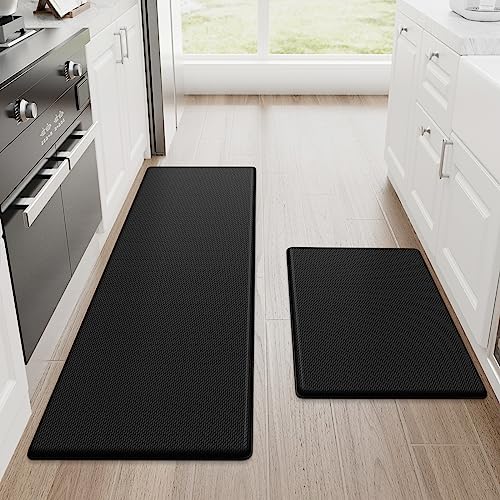
StepRite Kitchen Mats for Floor, 2-Piece Anti-Fatigue Kitchen Rugs, Black
- Anti-Fatigue Cushioning: Supports feet and joints for comfort
- Stain-Resistant Surface: Easy to clean spills and stains
- Non-Slip Backing: Secure grip on various floor types
As an affiliate, we earn on qualifying purchases.
As an affiliate, we earn on qualifying purchases.
Outdoor Spaces: Non-Slip Solutions for Patios and Stairs
Outdoor surfaces face weather and wear, making slip resistance essential. Use textured concrete sealers or non-slip paint on patios and walkways. For stairs, install non-slip adhesive strips or textured treads designed for outdoor use. These products resist rain and snow, providing grip even in wet conditions.
Understanding the implications of outdoor slip solutions involves recognizing their durability and maintenance needs. For instance, textured sealers and paints must be chosen for their weather resistance; otherwise, they may degrade quickly, losing their grip and creating hazards. Similarly, adhesive strips designed for outdoor use must withstand temperature fluctuations and moisture without peeling or becoming slick. The tradeoff here is between initial cost and long-term performance—more durable products may cost more upfront but save money and prevent accidents over time. Proper application and regular maintenance, like reapplication after heavy weather, are crucial for sustained safety. Recognizing these factors ensures outdoor spaces remain safe year-round, minimizing the risk of slips during rain, snow, or ice conditions.
Technological Advances: Smart and Invisible Non-Slip Solutions
New tech is making safety even easier. Nano-technology-based coatings bond invisibly to your floors, offering durable slip resistance that lasts years. Some products monitor moisture levels and adjust their grip accordingly, providing a dynamic safety net. These solutions blend seamlessly into your decor while offering peace of mind.
Understanding the implications of these innovations involves recognizing their potential to provide continuous, adaptive safety without altering your home’s appearance. Nano-coatings are nearly invisible, preserving aesthetics, but their effectiveness depends on proper application and surface compatibility. Smart coatings that monitor moisture levels can prevent slips during unexpected wet conditions, such as spills or weather changes, but they often require power sources or maintenance. The tradeoffs include higher initial costs and the need for specialized installation and monitoring, but the benefits are long-lasting safety and minimal visual impact. These advancements represent a significant step forward, offering proactive safety measures that adapt to real-time conditions, reducing the reliance on manual interventions and traditional solutions.
Maintenance and Reapplication: Keeping Your Floors Safe Over Time
Non-slip solutions aren’t a one-and-done deal. Regular cleaning prevents dirt from reducing grip, and reapplying coatings or replacing mats every 1-2 years keeps safety levels high. For coatings, check manufacturer guidelines—most are simple to reapply with basic tools. Rugs and strips should be inspected for wear and replaced as needed.
Maintaining your non-slip solutions involves understanding that their effectiveness diminishes over time due to wear, dirt accumulation, or environmental factors. Reapplication of coatings ensures the textured surface remains effective, but improper reapplication can lead to uneven grip or peeling, which might increase slip risks. Regular inspection of rugs and strips is crucial—loose or worn items should be replaced promptly to prevent accidents. Think of it like tuning a musical instrument: consistent upkeep ensures your safety measures continue to perform at their best. Neglecting maintenance could result in unnoticed deterioration, creating hazards just when you need protection the most. Therefore, establishing a routine for cleaning, inspecting, and reapplying is essential for sustained safety and peace of mind.
Cost and Effectiveness: What You Can Expect
Investing in non-slip solutions varies—from affordable adhesive strips at under $10 to professional-grade coatings costing hundreds. The key? Match your choice to your risk level and budget. For high-traffic or high-risk areas, spending more on durable coatings or high-quality mats pays off by reducing accidents and potential injuries.
Understanding the cost-effectiveness of these options involves recognizing the long-term savings from preventing falls. While cheaper solutions may seem attractive initially, they often need frequent replacement, which can add up over time. Conversely, investing in higher-quality, durable solutions might have a higher upfront cost but can last years longer, reducing the total cost of ownership and enhancing safety. The implications are clear: a strategic investment based on area risk and usage frequency maximizes safety and minimizes expenses. Evaluating these factors ensures you allocate your budget effectively while achieving the best safety outcomes over the long term.
Your Non-Slip Checklist: 5 Simple Steps to Safer Rooms
- Identify high-risk areas—bathrooms, kitchens, stairs.
- Select appropriate solutions—rugs, coatings, strips.
- Ensure proper installation—adhesive, suction, or professional application.
- Keep surfaces clean and inspect regularly.
- Reapply or replace as needed—every 1-2 years for coatings and mats.
Frequently Asked Questions
What is the most cost-effective non-slip solution for a slippery entryway?
Non-slip adhesive strips or mats are the most budget-friendly options. They’re easy to install, effective, and can be replaced easily when worn. Regular cleaning and inspection also help maintain their grip over time.
Are non-slip rugs safe for pets and children?
Yes, most non-slip rugs with a rubber backing are safe for pets and kids. Just ensure the rugs are securely anchored and free of loose edges to prevent tripping. Regular cleaning keeps them effective and safe.
Can I apply non-slip coatings myself, or should I hire a professional?
Many non-slip coatings are designed for DIY application with basic tools and instructions. However, for large or complex areas like entire bathroom floors, hiring a professional ensures even coverage and durability.
What types of non-slip options are best outdoors?
Textured sealers, non-slip paint, and outdoor-rated adhesive strips work well outside. They resist weather and provide grip on patios, stairs, and walkways, even in rain or snow.
How often should I replace or reapply my non-slip solutions?
Reapplication depends on the product and usage. Coatings typically last 1-3 years, while mats and strips should be inspected every 6-12 months and replaced if worn or loose.
Conclusion
Every slip avoided is a step toward peace of mind. With the right non-slip solutions tailored to each room, you turn your home into a safer space—without sacrificing style or comfort. Think of it as giving your home a quiet, invisible shield that works 24/7.
Start small: identify your riskiest spots, pick the right products, and keep up with maintenance. Your future self—and your loved ones—will thank you for it.
Grilling season Picks
grills
As an affiliate, we earn on qualifying purchases.