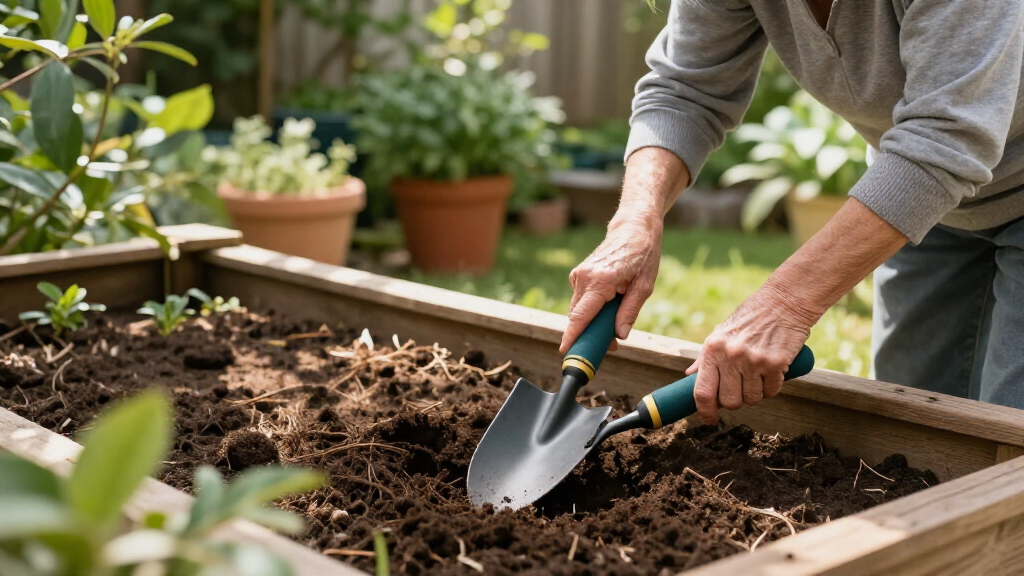

TL;DR
Open a free Amazon Business account
Business pricing, bulk buying and tax-exempt orders.
Create a free accountAs an affiliate, we earn on qualifying purchases.
Gardening with less grip strength is possible through ergonomic tools, raised beds, and thoughtful planning. These adaptations reduce effort, improve comfort, and keep gardening enjoyable.
Imagine the rich, dark aroma of soil, the gentle hum of insects, and the satisfying feel of planting a seed. Now, picture how that experience changes when your grip weakens. Gardening should be a joy, not a struggle. If arthritis, injury, or aging makes squeezing tools difficult, you’re not alone.
This guide walks you through simple, effective ways to adapt — using ergonomic tools and raised beds that bring the garden to you. Whether you’re maintaining a small balcony or tending a sprawling yard, these tips help you stay connected to your plants without pain or frustration.
Prioritize handle design: thick, cushioned, non-slip grips make a huge difference.
Leverage tools with ratcheting or geared mechanisms to cut effort by up to 50%.
Use raised beds and vertical planting to bring plants within easy reach, reducing bending and stretching.
Two-handed tools and support handles distribute effort, easing strain on weak grips.
Stay mindful of safety: sharp blades, proper gloves, and short sessions protect joints and prevent injury.
Gardening With Less Grip Strength
Ergonomic tools and raised-bed helpers that reduce squeezing, keep wrists neutral, and bring the garden to you. Designed for gardeners with arthritis, injury, neuropathy, or aging hands — because gardening should be a joy, not a struggle.
“Thick, cushioned handles and ratcheting mechanisms cut effort by up to 50%.”
Handle Design Matters More Than Tool Size
Thick, cushioned, non-slip handles let you grasp with your entire palm and distribute pressure evenly — reducing joint strain, fatigue, and the risk of overuse injury.
Fat, Cushioned Handles
A thin handle demands more squeezing — often a deal-breaker for arthritis. Add-on foam grips and handle sleeves transform existing tools inexpensively.
Neutral Wrist Position
Angled or pistol-grip tools keep the wrist straight so force flows through stronger muscle groups — preventing tendinitis and long-term joint damage.
Forearm & Strap Supports
Cuffs and forearm-support tools stabilize the joint and shift effort from fingers to larger muscles, cutting fatigue during prolonged sessions.
How Much Force Does Each Tool Demand?
Estimated peak grip effort for common cutting and digging tasks, indexed against standard tools (100%).
From Squeeze to Leverage
Each stage replaces raw grip force with mechanical advantage, better posture, or powered assistance.
Cushion the Grip
Thicken handles with foam sleeves; hold with the whole palm.
Align the Wrist
Switch to pistol-grip and angled-handle tools.
Add Leverage
Ratcheting pruners and geared loppers cut in stages.
Share the Load
Two-handed T-grips engage arms and shoulders.
Power It
Battery pruners, drip irrigation & timers remove effort entirely.
Bring the Garden to the Gardener
A raised bed should be customized to the gardener, not built to a universal height. Design for reach, provide stable working positions, and plan for changing ability.
Bed Sizing Rules of Thumb
Stability & Access Features
Which Helper Is Right for You?
Key ergonomic helpers compared by grip demand, cost, and best use case.
| Helper | Grip Needed | Effort Cut | Best For | Tradeoff |
|---|---|---|---|---|
| Foam grip sleeves | ✓ Minimal | ~20–30% | Upgrading existing tools | Bulky to store |
| Ratcheting pruners | ✓ Low | Up to 50% | Thick branches, arthritis | ~ Needs cleaning |
| Pistol-grip trowels | ✓ Low | ~30% | Digging & planting | Learning curve |
| Elevated planters | ✓ Minimal | No bending | Balconies, seated access | ~ Higher cost |
| Drip irrigation + timer | ✓ Near zero | Removes watering | All gardens | Setup time |
| Standard steel tools | ✗ High | — | Strong hands only | Hand & wrist strain |
Useful Ergonomic Tools & Helpers
A practical shortlist for building a low-grip garden toolkit.
Why Handle Design Matters More Than Tool Size
When grip strength wanes, handle design becomes your best friend. Thick, cushioned, non-slip handles let you grasp with your entire palm, reducing finger fatigue. A narrow handle might seem small, but it demands more squeezing — often a deal-breaker for arthritis.
For example, a gardener with rheumatoid arthritis swapped her thin trowel for one with a fat, rubberized grip. The difference? She could dig for longer without her hands aching. Add-on foam grips or handle sleeves are inexpensive upgrades that transform regular tools into friendly helpers.
Choosing tools with ergonomic handles isn’t just about comfort; it’s about enabling independence. When handles are designed to distribute pressure evenly, they reduce the risk of joint strain and fatigue, which can otherwise limit your gardening time. The tradeoff is that some ergonomic tools may be slightly more expensive or bulkier to store, but the increased comfort and reduced pain often outweigh these inconveniences.
ergonomic gardening tools with cushioned handles
As an affiliate, we earn on qualifying purchases.
As an affiliate, we earn on qualifying purchases.
Keep Your Wrists Neutral for Less Pain
Maintaining a straight wrist position reduces strain and helps prevent repetitive stress injuries. When your wrist is aligned properly, force is distributed through stronger muscle groups, decreasing joint pressure. Angled or pistol-grip tools are specifically designed to keep your wrist in a natural, neutral position, which is crucial for reducing pain during prolonged tasks.
Imagine a gardener using a pistol-grip trowel — her wrist stays straight, which minimizes twisting and bending that can exacerbate arthritis or cause tendinitis. This alignment not only reduces immediate discomfort but also helps prevent long-term joint damage. Additionally, using forearm-support tools or wrist braces acts as a mechanical aid, stabilizing the joint and distributing effort across larger muscles. This reduces fatigue and the risk of overuse injuries. For instance, a gardener who incorporated angled handles and wrist supports reported a noticeable decrease in wrist pain over several weeks, allowing for longer, more comfortable gardening sessions. Emphasizing wrist health is essential because it directly impacts your ability to perform repetitive tasks safely and comfortably, and choosing ergonomic handle options can make a significant difference in maintaining joint health over time.
raised garden beds for arthritis-friendly gardening
As an affiliate, we earn on qualifying purchases.
As an affiliate, we earn on qualifying purchases.
Leverage and Gear Make Gardening Easier
Leverage tools multiply your effort, making tough tasks less physically demanding. Ratcheting pruners and geared loppers are prime examples; they split the force needed into manageable steps, which is especially beneficial when your grip strength is limited. This mechanical advantage means you can complete pruning or cutting tasks more efficiently and with less fatigue, reducing strain on your joints and muscles.
For example, when trimming thick rose branches, a gardener using ratcheting pruners only needs to squeeze once to initiate a cut, then squeeze again to finish. This staged process minimizes the peak force required, lowering the risk of hand fatigue or injury. The tradeoff is that geared tools may be slightly more expensive and require maintenance, but the benefits — longer gardening sessions and less joint stress — often justify the investment. Leveraged tools are especially helpful for repetitive or labor-intensive tasks, as they convert what would be a strenuous squeeze into a series of easier, controlled motions, ultimately allowing gardeners with limited strength to work longer and safer.
gardening tools with ratcheting mechanisms
As an affiliate, we earn on qualifying purchases.
As an affiliate, we earn on qualifying purchases.
Lightweight Tools That Still Feel Powerful
Choosing lightweight tools isn’t just about reducing fatigue; it’s about maintaining control and safety. Materials like aluminum, fiberglass, and composite plastics make tools lighter without sacrificing durability. However, a tool that is too light or poorly balanced can feel unwieldy, which might lead to awkward grips or increased effort to stabilize it during use. The key is finding a balance where the tool is light enough to handle comfortably but still feels sturdy and well-balanced in your hand.
For example, a gardener with reduced grip swapped her heavy steel shovel for a lightweight aluminum one. This change reduced her fatigue, enabling longer work periods without discomfort. Testing tools in-store or in your garden helps determine if they feel natural and balanced, which is crucial for reducing unnecessary effort and preventing strain. The tradeoff with lightweight tools is often between weight and durability; choosing quality materials ensures that reduced weight doesn’t come at the expense of tool longevity. Properly balanced, lightweight tools can improve precision and control, making gardening safer and more enjoyable for those with limited strength.
garden carts and caddies for soil delivery
As an affiliate, we earn on qualifying purchases.
As an affiliate, we earn on qualifying purchases.
Using Both Hands for Better Control
Tools designed for two-handed use distribute effort across larger muscle groups, significantly reducing strain on weaker grip muscles. A long-handled cultivator or a T-handle pruner allows you to leverage your entire arm and shoulder, making tasks like digging or pruning less taxing. This technique not only eases effort but also improves control and accuracy, which can be especially helpful when working on delicate plants or in tight spaces.
Visualize a gardener pulling weeds with a long-handled tool, standing upright instead of kneeling. This posture reduces back strain and conserves energy. Using both hands also provides better stability, which is vital when working on uneven terrain or with heavier tools. Incorporating secondary handles or grips further enhances control, transforming what might be a tiring, effortful task into a manageable activity. The tradeoff is that some two-handed tools may be bulkier or heavier, but the increased control and reduced fatigue often outweigh this inconvenience, especially for those with joint limitations.
Reduce Repetition and Save Your Joints
Repetitive motions such as pinching, twisting, or bending can lead to joint pain or injury over time. By using tools with longer handles, oscillating mechanisms, or ergonomic designs, you minimize the number of repetitive strain actions required. For example, a gardener with neuropathy found that a long-handled bulb planter reduced the need for bending and twisting, decreasing fatigue and protecting her joints from overuse. These tools help distribute effort more evenly and reduce the cumulative stress on specific joints.
Small modifications, like using a push-button seed dispenser or a watering wand, significantly cut down on hand effort, preventing overuse injuries and joint deterioration. The key is to select tools that align with your specific needs, enabling you to perform gardening tasks effectively while safeguarding your joints. The tradeoff may involve investing in specialized equipment, but the long-term benefits of reduced pain and increased independence often justify the expense and effort.
Bring the Garden to You with Raised Beds & Elevated Planters
Raised beds and containers bring plants closer, making gardening more accessible by reducing the need to kneel or stretch. When designing or choosing these systems, it’s important to test different heights to find what works best for your body, as comfort varies among individuals. Proper height can reduce back and joint strain, allowing longer, more relaxed gardening sessions.
A gardener with arthritis built her raised bed at waist height, enabling her to tend her plants comfortably without bending or kneeling. This not only eased pain but also increased her gardening time, boosting her overall well-being. Design considerations include leaving enough knee clearance underneath to prevent bumping, rounding edges for safety, and placing frequently harvested or tended crops within easy reach. Vertical gardening—such as climbing beans or tomatoes—further reduces bending and reaching. The implications of these design choices are significant: they extend gardening life, improve safety, and foster independence for those with mobility or joint issues.
Choosing the Right Tools Before You Buy
Testing tools before purchasing ensures they fit your hand and task needs. Focus on handle comfort, wrist position, balance, and ease of operation — these factors directly influence how much effort and joint stress you’ll experience during use. A tool that feels natural and balanced in your hand reduces fatigue and enhances safety.
For example, a gardener testing pruners found that models with smooth spring-action and easy-to-operate locks suited her better than cheaper, stiffer options. Trying tools in your garden or store helps assess real-world comfort, which is crucial because ergonomic labels can sometimes be marketing hype. Personal factors like hand size, joint mobility, and specific tasks influence what will work best. It’s worth spending time trying multiple options to find tools that truly support your needs, ensuring long-term comfort and safety.
Latest Trends in Gardening Tools for Limited Grip
Recent innovations include compact, rechargeable battery-powered tools that dramatically reduce manual effort. These tools not only lessen the physical strain but also increase precision and efficiency. For example, rechargeable pruners and cultivators enable you to cut or dig with minimal squeezing, making them ideal for gardeners with limited grip strength. However, weight and safety features are critical considerations; heavier tools may cause fatigue, and safety mechanisms prevent accidents.
Modular systems with interchangeable parts and lightweight composites further enhance handling and versatility, allowing you to adapt tools to specific tasks. Automated watering systems, like drip irrigation or self-watering planters, reduce the need for manual watering, eliminating the need to drag hoses or squeeze nozzles repeatedly. These advancements make gardening more inclusive, encouraging continued activity and enjoyment regardless of physical limitations, and emphasizing the importance of choosing tools that balance power, weight, and safety.
Stay Safe and Comfortable While Gardening
Preparing your hands and shoulders before gardening helps prevent strain and injury. Warm-up exercises increase blood flow and loosen muscles, making tasks easier and reducing the risk of sudden pain. Working in short, focused sessions with frequent breaks minimizes fatigue and joint stress. Keeping blades sharp not only makes cutting easier but also reduces the force needed, decreasing the risk of slips and cuts.
Choosing well-fitting gloves with good grip and tactile sensitivity allows for better control and reduces the need to squeeze tightly, which can aggravate joint issues. Avoid bulky gloves that diminish dexterity. When using powered tools, always follow safety instructions and stop immediately if you experience pain, numbness, or discomfort. Consulting health professionals like occupational therapists or physiotherapists can provide personalized strategies and exercises to strengthen joints and improve technique, thus enhancing safety and comfort during gardening activities. Prioritizing safety measures ensures that gardening remains a safe, enjoyable activity for everyone.
Frequently Asked Questions
What handle shape is best for weak or arthritic hands?
Handles that are thick, cushioned, and non-slip are easiest to grasp. Pistol-grip or angled handles can keep your wrist straight and reduce strain, but the best shape depends on your specific hand and task. Testing different options helps find what works best for you.
Are ratcheting pruners easier to use?
Yes. They split a tough cut into smaller, manageable squeezes, reducing the force needed by about 30-50%. This makes pruning less tiring, especially for thicker branches or for gardeners with limited hand strength.
Can existing tools be adapted?
Absolutely. Adding foam tubing, handle enlargers, wrist straps, or cuffs can make familiar tools easier to grip. Just ensure modifications are secure and don’t interfere with safety features or controls.
How high should a raised bed be?
The ideal height varies for each gardener. Test your comfortable working height while seated and standing. Aim for a height that allows you to reach plants easily without bending or overreaching.
What is the easiest way to water without squeezing a nozzle?
Using drip irrigation, automatic timers, or lever-operated nozzles reduces manual effort. These systems minimize handling and allow watering with minimal hand squeeze and dragging, making routine tasks less tiring.
Conclusion
Gardening with less grip strength is not just possible — it can be enjoyable. Small tweaks like ergonomic tools, raised beds, and smart planning turn a struggle into a satisfying routine. The key is to work smarter, not harder.
Next time you step into your garden, imagine it as a place designed for you — where effort is minimized, and the joy of growing remains full and rich. Your garden, and your hands, will thank you.
Grilling season Picks
grills
As an affiliate, we earn on qualifying purchases.