TL;DR
Open a free Amazon Business account
Business pricing, bulk buying and tax-exempt orders.
Create a free accountAs an affiliate, we earn on qualifying purchases.
Long-handled bathing aids help people reach difficult areas during bathing, promoting independence and reducing fall risk. They come in various types, are affordable, and easy to use with proper care.
Imagine being able to wash your back, feet, or legs without bending or overstretching. It’s a simple change that transforms your bathing routine, giving you more independence and peace of mind. Long-handled bathing aids exist to make this possible, especially if you face mobility challenges or arthritis.
In this guide, you’ll learn what these aids are, how they work, and how to pick the right one for your needs. Whether you’re recovering from surgery or simply want to stay safe, understanding these tools can make a real difference in your daily life.
Choose a handle length that matches your height and mobility level to avoid strain.
Look for textured, non-slip grips — they’re key for safety and comfort.
Lightweight, durable materials make long-term use easier, especially for those with arthritis.
Many models now combine multiple features, saving space and making bathing more efficient.
Proper care, cleaning, and regular checks extend the life and safety of your bathing aids.
Long-Handled Bathing Aids: A Simple Guide
Wash your back, feet, and legs without uncomfortable bending or overstretching. The right long-handled aid can make bathing safer, easier, and more independent for people with arthritis, limited mobility, or post-surgical restrictions.
What these aids do
Long handles bridge the gap between limited reach and personal hygiene. They reduce awkward movement, help conserve energy, and may lower the chance of losing balance on wet surfaces.
Back scrubbers
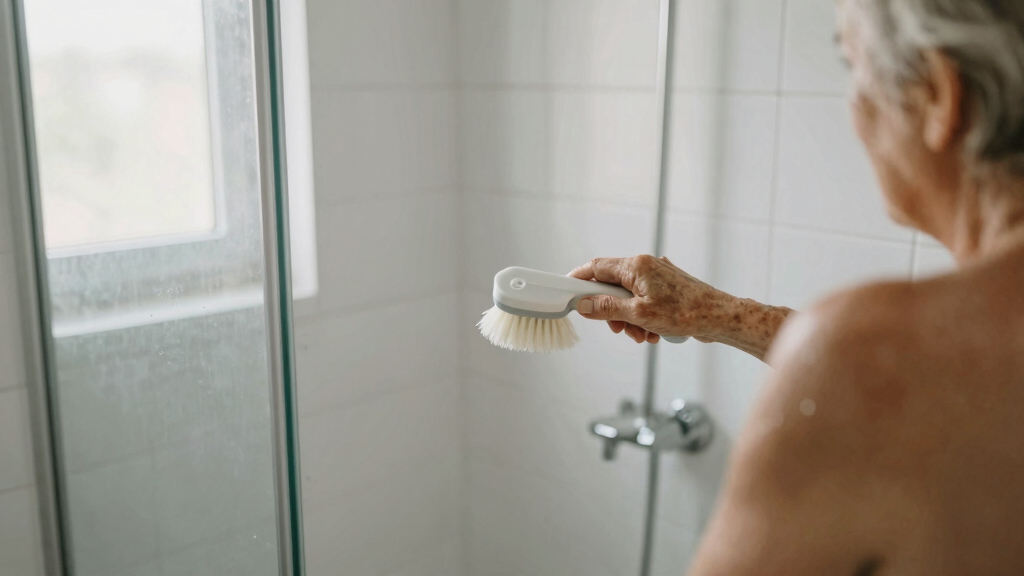
Long brushes, sponges, or loofahs designed to clean across the shoulders and back with less arm rotation.
Foot & leg reachers
Curved or straight tools that reach feet, calves, and lower legs without deep bending at the hip or knee.
Bath brushes
Fixed or telescoping brushes that offer broad coverage and can adapt to different body areas or users.
Long combs
Extended combs and hairbrushes help people groom comfortably when shoulder or elbow movement is restricted.
Five factors that matter
The longest or most feature-packed aid is not automatically the safest. Match the tool to your reach, grip strength, bathing space, and cleaning routine.
Handle length
Reach the target area while keeping a stable, relaxed posture.
Grip comfort
Textured or cushioned grips improve control when hands are wet.
Material & weight
Choose a light tool that remains rigid and durable under pressure.
Easy cleaning
Smooth surfaces and removable heads help limit residue and mold.
Multifunctionality
Extra features save space but can add weight and complexity.
Which style fits?
Use this comparison as a starting point. Handle angle, head texture, and individual mobility can change how well a product works in practice.
| Type | Back reach | Feet & legs | Adjustable | Low grip demand | Primary trade-off |
|---|---|---|---|---|---|
| Fixed back scrubber | ✓ Strong | ~ Limited | ✕ No | ✓ Often | Simple, but length cannot change |
| Telescoping brush | ✓ Strong | ✓ Strong | ✓ Yes | ~ Varies | Joint requires regular checking |
| Curved foot washer | ✕ Weak | ✓ Strong | ~ Some | ✓ Often | Shape may not suit every body size |
| Multi-function aid | ✓ Strong | ✓ Strong | ✓ Often | ~ Varies | More features can add weight |
| Long grooming comb | ✕ No | ✕ No | ~ Some | ✓ Often | Designed for hair, not bathing |
Legend: ✓ strong fit / ~ depends on model / ✕ not intended
Innovation is improving the handle
This qualitative snapshot ranks how established each development is in the current bathing-aid market—from widely available design improvements to early-stage concepts.
Qualitative maturity scale based on the supplied trend overview; bar lengths are directional, not market-share percentages.
From need to independence
A useful aid supports a simple chain: identify the difficult movement, match the tool, test it in a stable position, care for it, and review the fit over time.
Identify the reach
Back, feet, legs, hair, or several areas.
Match the length
Avoid leaning, deep bending, and overreaching.
Test the grip
Confirm control with wet or low-strength hands.
Use gently
Apply light pressure to reduce skin irritation.
Stay independent
Maintain hygiene with less strain and risk.
Three-part care routine
Choose a lightweight aid that reaches comfortably, stays secure in your hand, cleans easily, and suits your specific mobility needs. A simple, well-matched tool is often more useful than a complicated one.
What are long-handled bathing aids — and why do they matter?
Long-handled bathing aids are devices with extendable or fixed handles designed to help you reach hard-to-access areas during bathing. They’re essential for maintaining hygiene, especially if bending or stretching is painful or risky.
Imagine trying to wash your back with a loofah on a stick — that’s what these aids do, but with better grip and comfort. They reduce the need for awkward stretches, helping you stay safe from slips and falls in the shower or bath. The importance of these aids lies in their ability to bridge the gap between limited mobility and maintaining personal hygiene, which is vital for health and dignity.
According to an anonymous researcher, these tools can cut bathroom fall injuries among seniors by a third, making them a simple yet powerful safety upgrade. This reduction not only prevents injuries but also reduces the emotional and financial burden of falls, emphasizing their role as a crucial safety investment.

Back Scrubber Body Shower Brush: Anti Slip Long Handle Bath Brush with Stiff and Soft Bristles – Showering Exfoliator Wet or Dry Brushing for Women, Men, Elderly (Blue)
- Extra-long handle for easy reach: 18.1-inch handle covers hard-to-reach areas
- Double-sided brush for versatile use: Stiff bristles for deep cleaning, soft for gentle cleansing
- Effective dry brushing feature: Removes dirt, dead skin, and promotes circulation
As an affiliate, we earn on qualifying purchases.
As an affiliate, we earn on qualifying purchases.
Different types of long-handled bathing aids — what’s best for your needs?
Here’s a quick rundown of common types:
- Back Scrapers: Long brushes or sponges with adjustable handles to reach your back comfortably. These are especially useful for those with limited arm mobility, helping maintain hygiene without strain.
- Foot and Leg Reachers: Devices with curved or straight handles to wash your feet and lower legs without bending. They are crucial for people with knee or hip issues, but choosing the right shape and length can make the task easier or more awkward depending on your body size and flexibility.
- Shower and Bath Brushes: With extendable handles for a full-body clean. These are versatile but vary in handle length and grip comfort, impacting ease of use and safety.
- Grooming Aids: Long combs or hairbrushes designed for hard-to-reach areas. They help maintain personal appearance, which can boost confidence and social comfort.
For example, someone recovering from knee surgery might prefer a lightweight, telescoping foot washer to avoid strain, while an elderly person might choose a sturdy back scrubber with a textured grip to prevent slipping. The choice impacts not only hygiene but also safety and comfort during bathing, highlighting the importance of selecting aids tailored to individual needs and limitations.
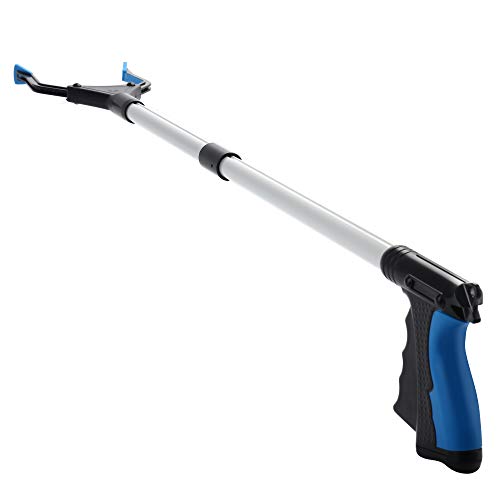
Grabber Reacher Tool, 32" Grabbers for Elderly, Lightweight Extra Long Handy Trash Claw Grabber, Mobility Aid Reaching Assist Tool for Trash Pick Up, Nabber, Litter Picker, Arm Extension (Blue)
- Easy Item Pickup: Pick up coins, trash, and more easily
- Foldable Design: Compact for outdoor carry and storage
- Rotating Head: Adjusts up to 90 degrees for flexibility
As an affiliate, we earn on qualifying purchases.
As an affiliate, we earn on qualifying purchases.
Choosing the right long-handled bathing aid — 5 key factors to consider
Picking the perfect device isn’t just about length. Here’s what to think about:
- Handle Length: Do you need a few extra inches or a full meter? Consider your height and mobility. An incorrect length can lead to overreaching, which increases fall risk or causes discomfort, so understanding your specific needs ensures safety and ease of use.
- Grip Comfort: Look for textured, non-slip handles. If you have arthritis or grip strength issues, softer or cushioned grips reduce hand fatigue and improve control, minimizing accidental slips that could lead to injury.
- Material and Weight: Lightweight plastics are easier to maneuver, especially for those with limited strength, but they must also be sturdy enough to withstand regular use without breaking. Balancing weight and durability ensures safety without fatigue.
- Ease of Cleaning: Smooth surfaces and removable parts help prevent mold and bacteria buildup, which is crucial for hygiene and longevity. Neglecting cleaning can lead to deterioration or health risks.
- Multifunctionality: Some aids combine scrubbers, massage features, or storage compartments, which can streamline bathing routines and reduce clutter. However, multifunctional tools might be heavier or more complex to operate, so weighing convenience versus complexity is important.
Suppose you’re shopping online. Check product descriptions for adjustable lengths, grip details, and reviews from users with similar needs. This research helps avoid mismatched features that could compromise safety or comfort, emphasizing the importance of understanding tradeoffs in design and function.

SlipX Solutions 31"x15" Weighted Non Slip Bath Mat for Textured Tubs, Gray
- Designed for textured surfaces: Stays secure on textured tubs and tiles
- Weighted for stability: 3-4x heavier than standard mats
- Flexible TPE material: Conforms to tub shape with wet-grip tech
As an affiliate, we earn on qualifying purchases.
As an affiliate, we earn on qualifying purchases.
Latest trends and innovations in long-handled bathing aids
Technology is quietly making its way into bathing aids. Recent trends include:
- Lightweight, eco-friendly materials: Replacing heavy plastics with sustainable composites reduces fatigue and environmental impact, but may come with higher costs or different durability considerations.
- Ergonomic redesigns: Handles shaped for a natural grip help reduce hand fatigue and improve control, especially for users with arthritis or limited strength, enhancing safety and comfort during prolonged use.
- Multi-function devices: Combining scrubbers, massage rollers, or storage features into one tool streamlines bathing routines but might increase complexity or weight, requiring users to balance convenience with ease of handling.
- Smart aids: Early-stage electronic devices with sensors to guide users or alert caregivers are still rare and expensive, but they hold promise for personalized assistance and increased safety, especially for users with severe mobility issues.
- Adjustability: More models now allow for quick, tool-free length changes to fit different users or tasks. This flexibility can improve safety and comfort but may introduce mechanical complexity that requires proper maintenance.
For instance, a recent lightweight back brush made from recycled plastics was praised not only for its durability but also for its potential to reduce fatigue, especially for those with arthritis or limited grip strength. These innovations aim to improve safety, usability, and sustainability, aligning with evolving user needs and technological advancements.

LFJ 19" Long Handle Shower Sponge Brush Set, 3 in 1 Body Brush, Bath Sponge and Lotion Applicator Improved Skin Health, Suitable for Men and Women (White Brush-1P)
- Long Handle Design: 19-inch solid long handle for easy reach
- Interchangeable Heads: Includes soft brush, sponge, and lotion applicator
- Foldable Handle: Travel-friendly foldable handle for convenience
As an affiliate, we earn on qualifying purchases.
As an affiliate, we earn on qualifying purchases.
How much do they cost, and where can you find them?
Most long-handled bathing aids are budget-friendly. Expect to pay between $10 and $50. You can find them at medical supply stores, pharmacies, or online marketplaces like Amazon and specialty health shops.
Availability isn’t a problem. Many brands meet safety standards from organizations like the FDA or ASTM, ensuring reliable quality. Plus, their affordability makes trying out a few options easy. Considering price and availability helps ensure you can access multiple options to compare features, which is important given the variety in design and quality.
Imagine shopping online on a rainy Sunday — you pick a few styles, read reviews, and have a new tool ready in days. This convenience allows you to experiment with different aids, helping you find the most suitable option without the need for in-person shopping, which might be limited or inconvenient.
Your top questions answered about long-handled bathing aids
Who benefits most? Seniors, people with arthritis, mobility issues, or those recovering from surgery find these aids invaluable because they address specific challenges related to reaching and maintaining hygiene. The tradeoff is that some aids might be too complex or heavy for very limited users, so assessing individual capacity is crucial.
How do I pick the right one? Focus on your specific reach needs, handle comfort, and ease of cleaning. Considering these factors helps avoid frustration or safety hazards caused by mismatched features.
Are they safe? When used correctly, they significantly lower fall risk and are very safe. However, improper use or selecting the wrong type can lead to accidents, so proper training and selection are important.
Can I use them in showers and baths? Absolutely. Most are designed for both environments, but checking the product specifications ensures compatibility with your bathing setup and prevents damage or safety issues.
How do I clean and maintain? Rinse after each use, disinfect periodically, and replace if damaged. Proper maintenance extends the lifespan and keeps the aids safe and hygienic.
What if I can’t use one? Alternatives include professional help, adaptive bathing systems, or caregiver assistance. Recognizing personal limitations and seeking appropriate support ensures safety and hygiene are maintained without risking injury.
Conclusion
Long-handled bathing aids are simple tools with a big impact. They turn what might feel like a challenge into a manageable routine, boosting confidence and independence. With a little research and the right choice, you can make your daily hygiene safer and more comfortable — no matter your mobility level.
Remember: the right aid isn’t just about reach. It’s about feeling secure and in control of your bathing experience. So, take a moment to pick the one that fits you best — your comfort and safety depend on it.
This article is for informational purposes only and is not medical advice. Always consult a qualified healthcare professional about your specific situation.BACK TO SCHOOL Back to school Picks
back to schoolback to school
As an affiliate, we earn on qualifying purchases.