
TL;DR
Sock aids and long shoe horns help reduce bending and reach issues, making dressing safer and more manageable. They are affordable, user-friendly tools that improve independence and safety.
Ever tried to put on socks or shoes while battling back pain or limited flexibility? It’s frustrating, often painful, and downright dangerous if you lose your balance. Luckily, simple tools like sock aids and long shoe horns are here to change that. They’re designed to help you dress more independently—less bending, less strain, more confidence.
In this guide, you’ll learn how these devices work, what features to look for, and real-world tips to get the most out of them. Whether you’re recovering from surgery, managing arthritis, or just want to avoid unnecessary aches, these aids can make your daily routine safer and easier.
Choose devices based on your strength and flexibility—rigid for strong hands, flexible for limited grip.
Keep tools within easy reach to make dressing safer and quicker.
Practice using sock aids and long shoehorns regularly to build confidence and efficiency.
These devices can cut dressing time in half, reducing fatigue and fall risk.
Invest in ergonomic, adjustable models for maximum comfort and safety.
Sock Aids and Long Shoe Horns
Getting dressed with less bending. These simple assistive tools extend your reach, reduce strain, and make socks and shoes easier to manage when back pain, arthritis, surgery, or limited flexibility gets in the way.
Assistive dressing devices may substantially shorten the routine as technique and confidence improve.
A common long-shoehorn range that helps limit forward bending and kneeling.
Reduced reaching can support comfort, balance, consistency, and independence.
Bring socks and shoes within easier reach
Less awkward bending through the lower body
Plastic, aluminum, or stainless steel
A sturdy chair and clear dressing area
Two tools, one simpler routine
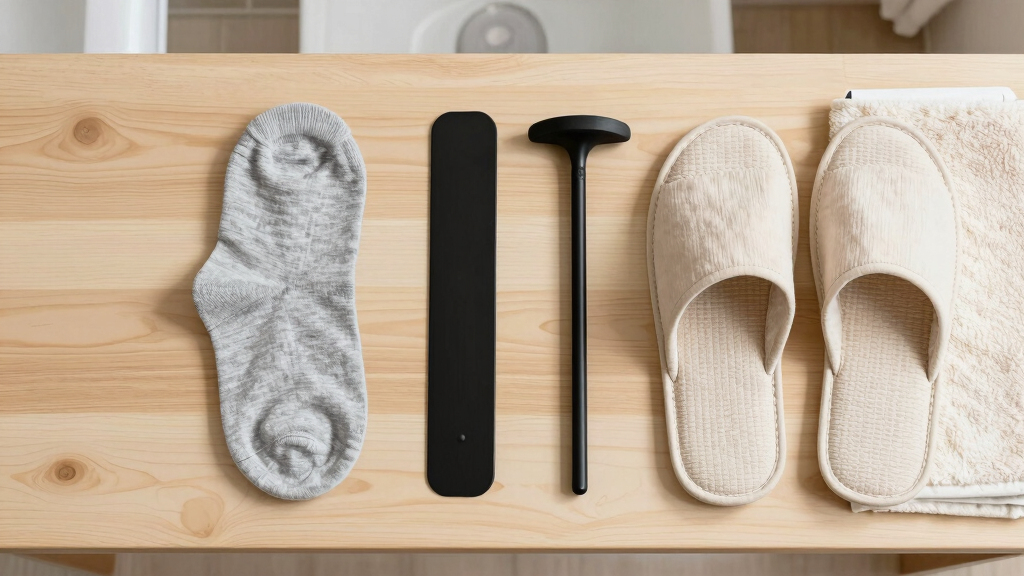
A sock aid holds the sock open while cords or handles pull it over the foot. A long shoe horn creates a smooth path behind the heel, allowing the foot to enter the shoe without kneeling or leaning far forward.
Load. Lower. Pull.
Stretch the sock over the frame or flexible pouch, lower it to the floor, slide in the toes, then pull the handles upward until the sock releases into place.
Position. Slide. Remove.
Place the curved blade inside the shoe behind the heel, guide the foot downward, then withdraw the tool once the heel is fully seated.
sock aid assistive device
As an affiliate, we earn on qualifying purchases.
As an affiliate, we earn on qualifying purchases.
Features that make a real difference
The best device is not necessarily the most complex. Match its grip, stiffness, weight, and length to your hand strength, flexibility, footwear, and usual dressing environment.
Ergonomic handles
Larger, textured grips need less squeezing and can be easier for arthritic hands or reduced dexterity.
Non-slip surfaces
Grip zones help prevent twisting, slipping, and dropped tools during the dressing sequence.
Lightweight materials
Plastic or aluminum reduces fatigue while stainless steel can offer added rigidity and durability.
Adjustable length
A customized reach helps preserve upright posture and avoids unnecessary stretching or overreaching.
Flexible frames
Flexible sock-aid bodies can adapt to different foot sizes, swelling, and irregular contours.
Multi-function designs
Combined dressing tools can serve as a sock aid and shoe horn, reducing clutter and keeping the entire routine in one easy-to-store device.
long shoe horn for elderly
As an affiliate, we earn on qualifying purchases.
As an affiliate, we earn on qualifying purchases.
Choose for your mobility level
Start with the action that is hardest: gripping, reaching, keeping the sock open, or controlling the tool. The comparison below turns those needs into practical feature choices.
| Mobility profile | Rigid sock aid | Flexible sock aid | Long shoe horn | Priority feature |
|---|---|---|---|---|
| Strong hands, limited back flexion | ✓ | ~ | ✓ | Wide opening + rigid control |
| Arthritis or weak grip | ~ | ✓ | ✓ | Large textured handles |
| Foot swelling or variable fit | ✗ | ✓ | ~ | Flexible, wider frame |
| Post-surgery reach restriction | ✓ | ✓ | ✓ | Adjustable extended reach |
| Need for maximum stability | ✓ | ~ | ✓ | Rigid shaft + non-slip grip |
Choose rigid for control, flexible for adaptability, and adjustable for reach. If pain, weakness, or surgical precautions complicate the choice, ask an occupational therapist or healthcare professional for a personalized recommendation.
reacher sock helper
As an affiliate, we earn on qualifying purchases.
As an affiliate, we earn on qualifying purchases.
Where the routine gets easier
These relative indicators show the intended effect of assistive dressing tools: reducing the movements that create difficulty while preserving the user’s control of the task.
ergonomic shoe horn
As an affiliate, we earn on qualifying purchases.
As an affiliate, we earn on qualifying purchases.
Build a repeatable dressing flow
Consistency turns an unfamiliar tool into a reliable daily habit. Prepare the space first, move slowly, and keep your posture upright throughout the sequence.
Sit securely
Use a sturdy chair on a level, non-slip surface.
Bring tools close
Keep socks, shoes, and aids within comfortable reach.
Check the device
Confirm grips, cords, frames, and surfaces are secure.
Move slowly
Use both hands as needed and avoid sudden pulling.
Practice regularly
Familiarity improves control, speed, and confidence.
Five habits that improve results
The tool matters, but setup and technique matter too. Small environmental changes can reduce frustration and make safe use easier to repeat every day.
Set up your space
Use a clear area beside a sturdy chair and remove loose rugs or clutter around your feet.
Prevent slipping
Place tools on a flat surface or non-slip mat so they stay put while you prepare.
Allow practice time
Expect the motion to feel unfamiliar at first. Smooth technique develops through repetition.
Use both hands
Let the stronger hand stabilize while the other guides the aid, cord, or shoe horn.
Maintain footwear
Replace badly worn or stiff shoes and loosen fastenings before inserting the foot.
A person recovering from knee surgery uses a sturdy chair and long shoe horn to avoid painful forward bending. With the same setup each morning, the motion becomes steadier, quicker, and more predictable.
Small tools. Meaningful independence.
Sock aids and long shoe horns are affordable, widely available ways to make daily dressing less physically demanding and more manageable.
Match the tool to your abilities: consider grip strength, flexibility, balance, and reach.
Keep it accessible: store the device where you normally put on socks and shoes.
Practice the sequence: repetition improves confidence, control, and efficiency.
Prioritize stability: sit securely, move slowly, and avoid dressing while balancing on one foot.
Invest in useful ergonomics: textured grips and adjustable reach can improve comfort and safety.
Check before use
Replace cracked frames, loose cords, rough edges, or bent shoe-horn shafts.
Follow care guidance
Most models can be wiped with mild soap and water; confirm the manufacturer’s instructions.
Ask for expert help
An occupational therapist can assess technique and recommend a tool suited to your needs.
How Sock Aids and Long Shoe Horns Make Dressing Easier
These tools are game-changers because they eliminate the need to bend, stretch, or reach awkwardly. A sock aid is a simple frame or pouch that holds your sock, so you can slide it onto your foot without bending over. A long shoehorn extends your reach, letting you slide your foot into the shoe without kneeling or leaning forward.
By reducing the physical effort involved in dressing, these devices help prevent strain on joints and muscles, which is especially important for those with arthritis or joint pain. They also lower the risk of losing balance or falling during the process, which can be a serious concern for seniors or individuals with limited mobility. The convenience of these tools can promote consistency in dressing routines, encouraging independence and reducing reliance on caregivers. Ultimately, they make the act of dressing safer, more efficient, and less taxing on your body, which can improve your overall comfort and confidence daily.
What Features Make Sock Aids and Long Shoe Horns User-Friendly
- Ergonomic handles: These are designed to fit comfortably in your hand, reducing fatigue and strain, which is crucial for those with arthritis or limited grip strength. A well-designed handle ensures you can maintain a firm grip without exerting extra force, decreasing the risk of slips or drops.
- Lightweight materials: Using plastics, aluminum, or stainless steel minimizes fatigue during prolonged use. Lightweight devices are easier to maneuver, especially for those with weaker muscles or joint issues, enabling more precise control without tiring quickly.
- Adjustable length: This feature allows you to customize the device to your height and reach, accommodating different body types and mobility levels. Proper adjustment can prevent awkward postures that cause discomfort or strain, making dressing more natural and less stressful.
- Flexible frames: These adapt to various foot sizes and mobility limitations, ensuring a secure fit and ease of use. Flexibility in the device can also help in accommodating swelling or irregular foot shapes, providing a better experience and reducing frustration.
- Multi-functionality: Some devices combine sock aids and shoehorns, reducing clutter and cost while providing comprehensive assistance. This versatility means you can streamline your dressing routine, avoiding multiple tools and making storage easier.
Choosing features that align with your specific needs enhances safety and comfort. For example, textured handles improve grip for arthritic hands, while adjustable lengths prevent awkward bending or overreaching. These thoughtful design elements can significantly impact your ability to dress independently and safely each day.
Choosing the Right Device for Your Mobility Level
Picking the right sock aid or shoehorn depends on your specific needs and physical condition. If you have strong hands but limited back flexibility, a rigid sock aid with a wide opening can be straightforward and effective. Conversely, if your hand mobility is compromised by arthritis or weakness, a model with assistive handles or larger grips can make a significant difference, reducing the effort needed and preventing frustration.
Understanding the tradeoffs is important: rigid devices often provide more control but less flexibility, while flexible or adjustable models might be easier to manipulate but could be slightly less stable. Consider your typical dressing environment, the types of footwear you use, and your comfort with handling different tools. Consulting with a healthcare professional or occupational therapist can help you select devices tailored to your capabilities, ensuring safety and ease of use. Matching your device to your specific mobility profile can not only improve dressing efficiency but also reduce the risk of injury or discomfort during use.
Real-Life Tips for Using These Devices Successfully
Mastering the use of sock aids and long shoehorns can take a little practice, but the benefits are worth it. Here are some deeper insights to help you succeed:
- Set up your space: Place your device on a stable, accessible surface like a chair or near your shoe rack. Keep it within arm’s reach to minimize movement and reduce the risk of losing balance.
- Secure your device: Ensure it’s stable and won’t slip during use—using non-slip mats or placing it on a flat surface can help. Stability is key to maintaining control and preventing accidents.
- Practice patience: It may feel awkward at first, but with consistent practice, your technique will improve. Take your time, and don’t rush the process—efficiency comes with familiarity.
- Use both hands: Grip the handle firmly and guide your foot slowly into the shoe or sock, paying attention to your posture to avoid strain. Using your stronger hand to stabilize can make the process smoother.
- Maintain your footwear: Regularly check your shoes for wear or stiffness; replacing worn shoes can make slipping into them much easier, reducing frustration and effort.
For example, a woman recovering from knee surgery found that sitting on a sturdy chair and using a long shoehorn helped her avoid painful bending and kept her safe. Over time, these small adjustments built her confidence and independence, illustrating how patience and proper setup pay off.
Why These Simple Tools Are Worth Adding to Your Daily Routine
Using sock aids and long shoehorns isn’t just about convenience. It’s about safety, independence, and comfort. These devices reduce strain on your back, hips, and knees, lowering the risk of falls and injuries. By minimizing awkward movements and excessive bending, they help prevent common dressing-related accidents, especially in older adults or those with joint issues.
Furthermore, integrating these tools into your routine can foster a sense of autonomy, reducing reliance on caregivers and promoting mental well-being. The affordability and ease of storage mean they’re accessible options for many, making daily dressing less stressful and more reliable. A small investment in quality, ergonomic devices can lead to significant improvements in your confidence and physical health, encouraging consistent use and long-term benefits.
From a long-term perspective, these tools can help maintain mobility and independence for years, delaying the need for more invasive assistance or institutional care. Occupational therapists often recommend these devices because they empower users to take control of their routines safely and comfortably, reinforcing the importance of accessible, user-friendly design in assistive technology.
Frequently Asked Questions
How do I choose the right sock aid or shoehorn for my needs?
Consider your mobility level, hand strength, and specific challenges. For example, if you have arthritis, look for models with larger grips and flexible frames. Consulting with a healthcare provider can help you find the best fit.Are these devices easy for seniors or people with limited hand strength to use?
Yes. Many designs feature ergonomic handles, textured grips, and adjustable lengths to accommodate limited grip or dexterity. Trying different models can help you find what feels most comfortable.Can I use a sock aid if I have trouble with hand mobility?
Absolutely. Some sock aids are designed with assistive handles and larger grips, making them easier to manipulate even with limited hand strength. Choose a model with these features for best results.Are sock aids and long shoehorns affordable?
Most are quite affordable, often costing between $10 and $30. They are widely available through medical supply stores, online retailers, and healthcare providers, sometimes covered by insurance.How should I clean and maintain these devices?
Most can be wiped clean with mild soap and water. Check the manufacturer’s instructions for specific cleaning tips, especially if the device has textured grips or electronic features.Conclusion
Don’t let limited mobility keep you from dressing independently. Sock aids and long shoe horns are simple, affordable tools that make a world of difference. They turn a challenging task into a safer, easier routine—giving you back control and confidence each morning.
Remember: a small device, big impact. Start with one that fits your needs, practice a little, and watch your daily routine transform. After all, every day is better when you can get dressed with less pain and more independence.