
TL;DR

Turn quiet afternoons into listening time
- Thousands of audiobooks, podcasts and originals
- Listen on your phone, tablet or Echo — also offline
- Cancel anytime
End-of-life doula Jessica Sadler says families should discuss care preferences, decision-makers and important documents before illness or an emergency forces urgent choices. Her guidance is based on her experience supporting families; the source does not present new research or quantify how often planning prevents legal or financial difficulties.
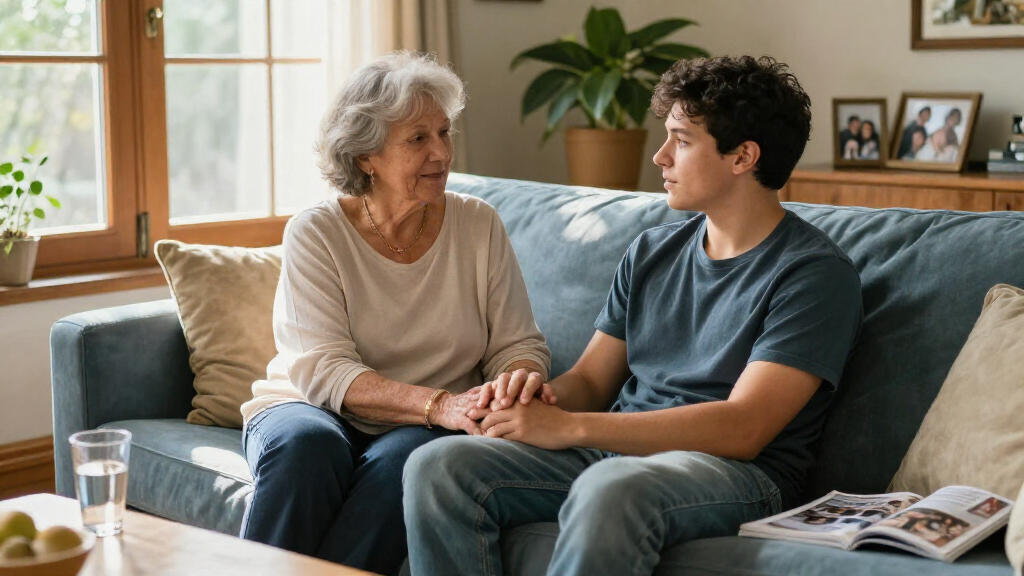
End-of-life doula Jessica Sadler is urging adults and their families to discuss medical wishes, decision-making roles and essential records before a serious illness or emergency makes those choices urgent. In a report published by Seniors Guide, Sadler says early conversations can help loved ones understand a person’s preferences and reduce the uncertainty families face during a crisis.
Sadler says she has worked with families during crises involving events such as a sudden stroke, serious fall, unexpected diagnosis or rapid decline. In those situations, relatives may have to make consequential decisions while dealing with shock and grief, sometimes without knowing what the person would have wanted. Her account is professional experience, not a study measuring how common these situations are.
The conversations can cover whether someone would prefer to remain at home if possible, what kinds of medical treatment they would want in different circumstances, and who should make health care decisions if they cannot communicate. Sadler also recommends completing advance directives, identifying where important documents are kept and telling someone trusted how to find them.
Her advice extends beyond legal and medical paperwork. Families can discuss what gives a person’s life meaning, traditions they hope to continue, and how they would like photographs or possessions shared. Sadler says an end-of-life doula may provide non-medical education, guidance and emotional support to help families have these discussions and organize information. The source does not describe doulas as substitutes for legal or medical professionals.
How Preparation Can Ease Family Decisions
When a person cannot speak for themselves, relatives may have to make decisions without a clear record of that person’s preferences. Sadler describes the resulting uncertainty as an emotional burden: even family members acting with care may later question whether they made the right choices. Discussing wishes ahead of time can give decision-makers a clearer basis for acting, although it cannot remove grief or guarantee that disagreements will not arise.
There can also be practical work after a serious illness or death. Sadler lists locating financial records, contacting banks and insurers, handling bills and legal matters, and managing a home and belongings. She says disorganization may add delays, expenses or family conflict, but the report provides no figures or research establishing the scale of those effects. The practical point is that knowing where records are and who is responsible can help relatives find needed information during an already difficult period.
For readers, the message is not that planning predicts when someone will become ill. It is that decisions and paperwork can be discussed while the person is able to explain their values and preferences. That can help families avoid having their first conversation in the middle of an emergency.
Popular right now

Breville Bambino Espresso Machine, Brushed Stainless Steel (BES450BSS)

Vitamix 5200 Professional-Grade Blender, 64 oz. Container, Black

Dyson V8 Cyclone Cordless Vacuum
As an affiliate, we earn on qualifying purchases.
Planning Before Illness Forces Choices
The Seniors Guide report addresses a familiar reason for delay: conversations about death, serious illness and future care can feel uncomfortable. Sadler says older adults may fear that discussing their wishes will signal a loss of hope or independence. Adult children, meanwhile, may worry that raising the subject will seem disrespectful, self-interested or needlessly alarming.
Sadler frames advance planning as more than estate documents. It includes telling family members what matters, discussing possible care preferences, naming a trusted person to make health care decisions and making important records accessible. The report encourages revisiting the conversation rather than treating it as a one-time task, since circumstances and preferences can change.
Her perspective comes from her work as an end-of-life doula and is presented as advice in a personal report. It is not a new government policy, clinical guideline or research finding. The article does not set out jurisdiction-specific legal requirements, so readers should check the rules that apply where they live and seek qualified legal or medical advice for decisions in those fields.
“This is not the optimal time to make big decisions.”
— Jessica Sadler, end-of-life doula, in the Seniors Guide report
What the Report Does Not Establish
The report offers Sadler’s professional observations and recommendations; it does not provide survey results, clinical evidence or financial data showing how often advance conversations prevent conflict, reduce costs or change care outcomes. It also does not identify a particular new event or policy announcement. Its news value is the practical guidance and the experiences behind it, not a newly documented trend.
Advice about advance directives, decision-making authority and estate documents can depend on local law and individual circumstances. The report does not specify a jurisdiction or explain the legal steps required to make documents valid. It also does not give a checklist tailored to a person’s health condition or say how families should resolve disagreements about care.
Start With Wishes and Records
Sadler’s proposed next step is for people to begin conversations before an emergency: explain what matters to them, discuss possible care preferences, choose someone they trust to speak for them if needed, and tell that person where relevant documents are kept. Families can return to the discussion as circumstances change and complete formal documents with appropriate professional help.
The report does not announce a deadline, program or scheduled follow-up. For readers, what happens next depends on their own family and local requirements: they can identify the questions they have avoided, set aside time to discuss them and seek qualified legal or health care guidance where needed. Sadler’s central point is that the conversation is more useful while a person can participate than when relatives must guess.
Key Questions
What should families discuss before a medical crisis?
Sadler recommends talking about care preferences, values, who should make decisions if someone cannot communicate, and where important documents are stored. Families may also discuss traditions and personal wishes beyond medical and legal paperwork.
Does the report say advance planning prevents family conflict?
No. Sadler says discussions can reduce uncertainty and help relatives understand a person’s wishes, but the report provides no research or statistics proving that planning prevents disagreements or other difficulties.
What does an end-of-life doula do, according to Sadler?
Sadler says a doula can offer non-medical education, guidance and emotional support, help organize information and make it easier for families to discuss questions. The report does not present doulas as replacements for medical or legal professionals.
Are advance directives and other documents legally the same everywhere?
The report does not address jurisdiction-specific rules. Requirements can depend on where a person lives, so readers should consult qualified legal or health care professionals about documents and decision-making authority.
Source: rss