
TL;DR

Turn quiet afternoons into listening time
- Thousands of audiobooks, podcasts and originals
- Listen on your phone, tablet or Echo — also offline
- Cancel anytime
A study of older women living two to 10 years after invasive breast cancer found that about 6 in 10 survivors classified as highly frail had no Medicare home health care in a given year. The researchers measured service use, not eligibility, and say Medicare’s homebound and skilled-care rules can leave some personal-care needs uncovered.
A study of older breast cancer survivors found that about 6 in 10 women classified as highly frail had no Medicare home health care in a given year, pointing to a potential gap for survivors who need help at home. Published in the Journal of the National Cancer Institute, the research examined women aged 66 and older living two to 10 years after an invasive breast cancer diagnosis.
Researchers examined 347,953 survivor-years representing 134,410 women, using cancer registry records linked with Medicare enrollment and claims data from 2017 through 2020. They also used nurse and therapist assessments collected when home health care begins to calibrate a claims-based measure of frailty. The study did not include people enrolled in Medicare Advantage.
In a given year, about 7% of survivors were classified as highly frail. Around 40% of that group used Medicare home health care, while 11% of survivors overall used it. Frailty was defined through accumulated health conditions and functional limitations, including difficulty bathing or dressing, walking problems, falls, memory difficulties, incontinence and exhaustion.
The researchers measured whether survivors used home health care, not whether they qualified for it. Lead author Xuanzi Shirley Qin, an assistant professor at the University of Maryland School of Public Health, said survivors six to 10 years after diagnosis were as frail as those two to five years after diagnosis. She said that pattern suggests their needs may reflect aging as well as, or more than, the effects of cancer treatment.
Personal-Care Needs Can Go Uncovered
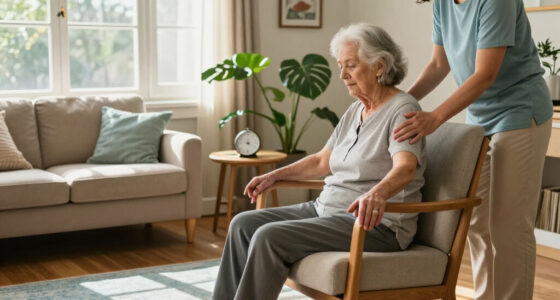
The findings highlight a difference between needing help at home and meeting Medicare’s coverage conditions. Traditional Medicare generally covers home health services when they are connected to a skilled-care need and the person is homebound. A survivor who mainly needs help bathing, dressing or with other personal tasks may not fit those conditions, even if frailty makes everyday life difficult.
Qin said people with substantial personal-care needs may fall through this coverage gap. Without adequate help at home, she said, frail survivors may face greater risks of falls or hospital stays. The study did not measure those outcomes, however, and does not establish that lack of home health care caused them. Its results describe a potential mismatch between survivors’ needs and the services used under traditional Medicare.
The issue may affect a sizable and growing population. The source report notes that the United States has about 4 million breast cancer survivors, as earlier detection and improved treatment have increased survival. The study’s findings apply to its older, long-term survivor group, not all survivors, but the authors say home health needs in this population are likely to grow.
Popular right now

TCL T7 Series 85-Inch 4K 144Hz QLED Smart Google TV

Ninja DualZone 6-in-1 Air Fryer, 8-Qt, Grey, DZ801

Ninja CREAMi 7-in-1 Ice Cream Maker, NC299AMZ
As an affiliate, we earn on qualifying purchases.
How Researchers Measured Frailty
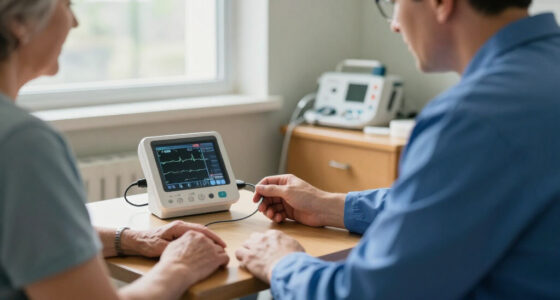
To identify frailty among survivors who had not received home health assessments, the research team built a score from Medicare claims, including diagnoses and medical equipment. They calibrated it against the frailty index used in the Outcome and Assessment Information Set, a set of assessments completed by nurses and therapists when home health care starts. The team then applied the score across the survivor group and compared frailty with annual home health use.
The study’s period—2017 to 2020—and its traditional Medicare data set define what the findings can show. Medicare Advantage enrollees were not included, and the analysis did not test whether a particular survivor met coverage rules, whether care was available locally or whether services were adequate. The findings therefore document use among an identified frail group, rather than a count of people formally denied coverage.
“About 6 in 10 highly frail survivors had none.”
— Xuanzi Shirley Qin, lead author and assistant professor at the University of Maryland School of Public Health
Eligibility and Unmet Need Unmeasured
The study does not show how many women were eligible for home health care but did not receive it. It also does not establish why each survivor lacked services, whether they wanted or sought care, or whether other sources of support met their needs. Because Medicare Advantage was excluded, the results cannot establish home health use across all Medicare coverage arrangements.
The researchers’ finding that survivors farther from diagnosis were similarly frail does not prove that aging, rather than treatment, caused their limitations. The study reports an association and a pattern in the measured data; the causes of frailty and the effects of unreceived care remain uncertain.
Screening and Coverage Debates
Qin called for frailty screening during survivorship care and for Medicare to cover personal care at home for frail survivors. The source report says some clinics are beginning to screen, but survivorship guidelines do not yet call for it. The study itself does not announce a change to Medicare policy or clinical guidelines.
Any policy response would need to address the distinction between skilled home health services and personal assistance, while clarifying which patients qualify and what services are covered. The study’s authors also point to rising survivor numbers as a reason home-care needs may grow. No specific policy action or implementation timetable was reported; the next steps remain dependent on decisions by health-care organizations and policymakers.
Key Questions
What did the study find?
About 6 in 10 highly frail older breast cancer survivors in the study had no Medicare home health care in a given year. The study counted service use, not eligibility for coverage.
Who was included in the research?
The analysis covered 134,410 women aged 66 or older with invasive breast cancer, followed between two and 10 years after diagnosis. The data came from 2017 to 2020 and did not include Medicare Advantage enrollees.
Why might personal-care needs not be covered?
Traditional Medicare home health coverage generally requires a skilled-care need and that a person be homebound. Someone who mainly needs help with bathing, dressing or similar personal tasks may not meet those conditions.
Does the study prove survivors were denied care?
No. Researchers measured whether participants used home health services, not whether they qualified, applied for care or were denied. The study also did not establish why services were absent or whether another source of help was available.
What changes did the researchers recommend?
Lead author Xuanzi Shirley Qin recommended routine frailty screening in survivorship care and said Medicare should cover the personal care frail survivors need. The report does not describe an adopted policy change or a set timetable.
Source: rss