
TL;DR

Turn quiet afternoons into listening time
- Thousands of audiobooks, podcasts and originals
- Listen on your phone, tablet or Echo — also offline
- Cancel anytime
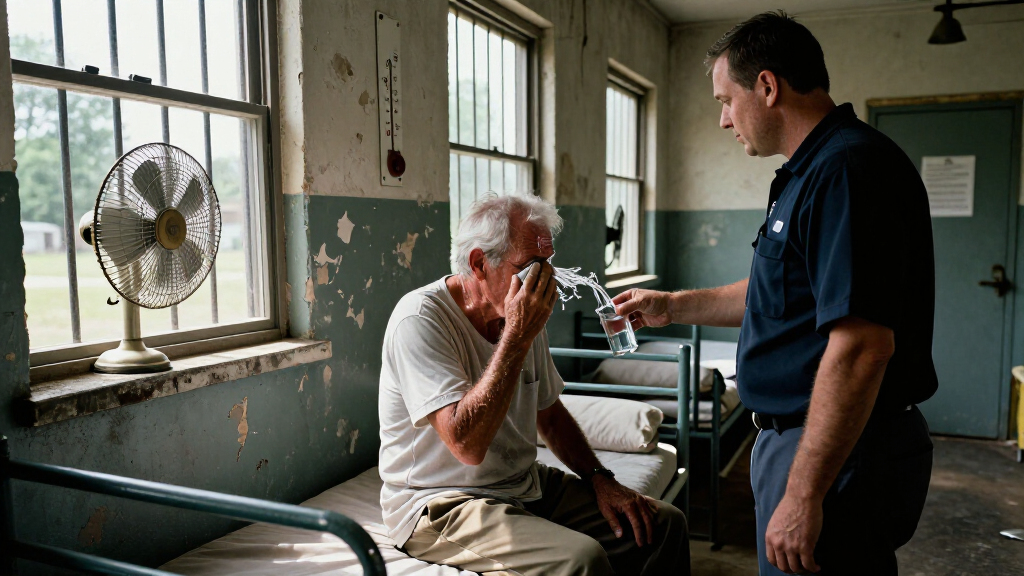
A study of Pennsylvania state prisons over 20 years found that extremely hot and cold temperatures were associated with higher rates of deaths, infirmary admissions and transfers to outside medical facilities. Women had larger increases in infirmary visits and outside transfers after extremely hot days than men, the researchers reported. The findings highlight risks for a growing, aging prison population in facilities with limited cooling and strained health services.
People held in Pennsylvania state prisons had higher rates of deaths, infirmary admissions and transfers to outside medical facilities following extremely hot and cold temperatures, according to a study published in Nature Communications. The researchers also found larger increases in infirmary visits and external transfers among women after extreme heat, raising concerns about how aging facilities and limited health-care capacity may leave older people and women particularly exposed.
The study examined 20 years of prison data in Pennsylvania and compared health-service use and deaths with periods of extreme ambient temperature. The researchers reported an association between both hot and cold conditions and higher rates of these outcomes. The findings do not, on their own, establish that temperature caused an individual death or medical visit.
After extremely hot days, women experienced greater increases in infirmary visits and transfers to external medical facilities than men, the study found. The authors described this as an unexpected result, since prior research in the general population has not consistently found women to be more vulnerable to heat-related health effects. The study concerns people in custody, whose living conditions and access to cooling, hydration and health care differ from those outside prison.
Pennsylvania has nearly 40,000 people in state prisons, according to the source report, and many facilities have limited or partial air conditioning. The report names Cambridge Springs, Dallas, Laurel Highlands, Muncy, Waymart and Huntingdon among facilities with partial or very limited cooling. It also describes a prison population with rising health-care needs and staffing shortages, factors that can make responding to heat- or cold-related illness more difficult.
Temperature Risks Meet Limited Care
The findings matter because people in prison cannot choose to leave overheated or inadequately heated housing, access a public cooling center or arrange their own medical care. Exposure is controlled by facility conditions, while staff and health services must manage any resulting increase in illness. The study links extreme temperatures with higher use of infirmaries and outside medical facilities, indicating added pressure on an already strained system.
The risks intersect with an aging population. The source report says the average age at admission to Pennsylvania prisons rose from 31 in 2000 to 38 in 2023, and that chronic conditions are more common among incarcerated people than in the general population. Older adults may need more frequent medical attention, while the report describes medical-staff vacancy rates approaching 40% at some facilities. These conditions could complicate timely treatment during temperature extremes, though the study does not quantify the effect of staffing on the reported outcomes.
The findings also raise a distinct concern about women’s health. The researchers say menopause-related hot flashes and night sweats may compound heat exposure when cooling, hydration or hormone therapy is limited. That explanation is offered as relevant context, not as a proven cause of the difference observed in the study.
Popular right now

Vitamix Propel Series 750 Professional-Grade Blender, 4 Programs, Black

Breville Bambino Espresso Machine, Brushed Stainless Steel (BES450BSS)

Vitamix 5200 Professional-Grade Blender, 64 oz. Container, Black
As an affiliate, we earn on qualifying purchases.
Older Buildings, Older Prison Population
The source report says most Pennsylvania state prisons were built in the 1990s or earlier, before recent weather patterns, and that some facilities have air conditioning only in selected buildings or units. It describes conditions reported by incarcerated people as very hot during heat waves and bitterly cold when heating systems malfunction. Amy McBride, incarcerated at MCI Muncy, told the Prison Journalism Project she sometimes wears multiple layers of clothing in winter.
The article says temperatures across Pennsylvania last year ranged as high as 103 degrees Fahrenheit and as low as -9 degrees Fahrenheit. Those statewide readings illustrate the range of conditions described in the report; they are not presented as measurements inside prison housing units. The study’s central contribution is to compare prison health outcomes with extreme ambient temperatures over time.
Health-care access is also shaped by operational constraints. The source report describes shortages of corrections officers, nurses and physicians, and says movement restrictions can limit access to appointments and programming. It also reports a $5 copay for some non-emergency prison medical visits, against wages of 23 to 50 cents an hour. These details provide context for the challenges of responding to increased medical needs, but the article does not say the study directly measured the effects of copays or staffing shortages.
Limits of the Findings
The report does not provide the study’s exact temperature thresholds, the size of the increases in deaths or medical-service use, or detailed outcome figures by facility. It also does not establish the specific causes of individual deaths or visits. Association does not establish causation, and the reported results do not show which building conditions or care barriers account for the observed patterns.
The reason women had larger increases in infirmary visits and outside transfers after very hot days remains uncertain. Menopause and accelerated aging are discussed as possible factors in the source report, but the supplied material does not say the study confirmed either as an explanation. It is also unclear what facility-level changes Pennsylvania plans to make, whether upgrades are funded, or how quickly any improvements could be completed.
Planning for Temperature Extremes
The researchers argue that climate resilience planning should include improvements to prison conditions and prison health-care systems, alongside policy efforts to reduce incarceration, particularly for older adults. Those are recommendations described in the report, not announced state actions. The source material does not identify a specific implementation schedule or a commitment from Pennsylvania officials.
Further reporting and any state response would help clarify which prisons have the greatest cooling or heating needs, how officials prepare for extreme-weather days, and whether medical staffing and access plans account for added demand. The study’s findings make those questions more pressing as temperature extremes intensify, but the next policy steps remain unconfirmed.
Key Questions
What did the Pennsylvania prison study find?
It found that extremely hot and cold temperatures were associated with higher rates of deaths, infirmary admissions and transfers to external medical facilities among people in Pennsylvania state prisons over a 20-year period.
Did the study prove that extreme temperatures caused deaths?
No. The source describes an association between temperature extremes and higher outcome rates. It does not establish that temperature caused each death or medical-care event.
What did researchers report about women in custody?
Women had greater increases in infirmary visits and outside transfers than men after extremely hot days. The reason for the difference remains unclear.
Why are Pennsylvania prisons a concern during extreme weather?
The report says many facilities are older and some have partial or very limited air conditioning. It also describes an aging prison population and shortages of health-care staff, which may make weather-related medical needs harder to address.
Has Pennsylvania announced changes in response to the findings?
The supplied report does not identify a specific state response, funding plan or timeline. The researchers recommend facility and health-care improvements, but implementation plans are not confirmed in the source material.
Source: rss