
TL;DR

Turn quiet afternoons into listening time
- Thousands of audiobooks, podcasts and originals
- Listen on your phone, tablet or Echo — also offline
- Cancel anytime
A randomized trial involving 453 adults aged 65 and older with advanced chronic kidney disease found higher rates of advance care planning documentation when patients viewed a treatment video and recorded their preferences. The study did not establish whether the additional documentation led to care that matched patients’ goals.
A video showing treatment options for advanced chronic kidney disease, followed by a recording of patients’ own care preferences, was associated with more advance care planning documentation than usual care in a randomized trial of adults aged 65 and older. At 12 months, documentation appeared in 56.6% of intervention participants, compared with 40.0% of control participants, according to the study published in JAMA Internal Medicine.
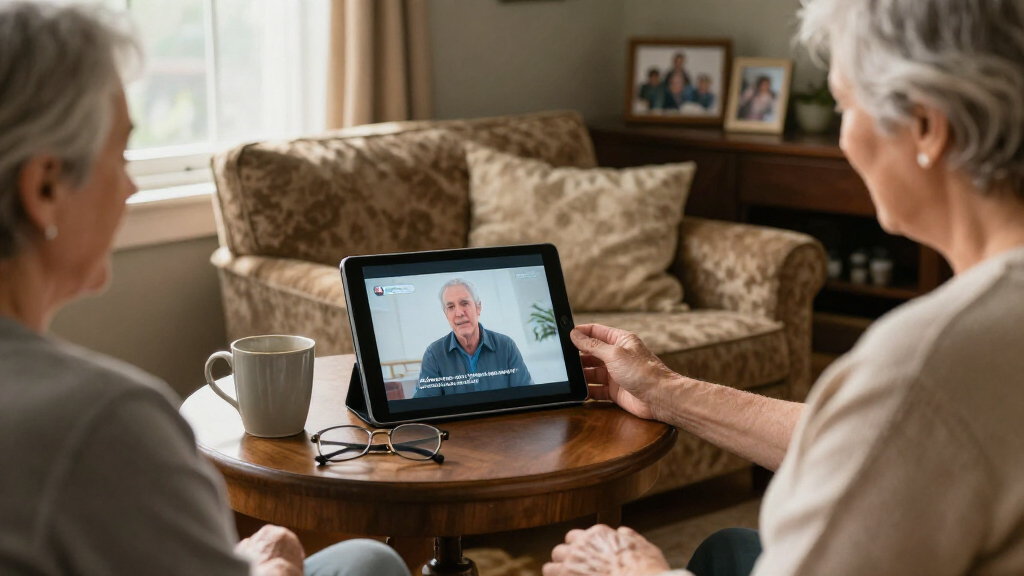
The multicenter trial enrolled 453 adults aged 65 or older with advanced chronic kidney disease at 12 ambulatory clinics. Researchers assigned 228 participants to the intervention and 225 to usual medical care. Intervention participants watched a certified video describing three treatment options for advanced kidney disease, then made a video statement about their goals, values and preferences. That recording was sent to their treating clinician.
At the 12-month assessment, a discussion of kidney failure treatment options was documented for 46.1% of the intervention group and 31.6% of the control group. The researchers also reported differences in participants’ stated treatment preferences after the video: 13.2% of intervention participants were undecided, compared with 41.3% of controls, while 50.7% of the intervention group preferred conservative kidney management, compared with 31.8% of controls.
The study was led by Angelo E. Volandes of Dartmouth Health and colleagues. Its primary reported outcome was documentation in the electronic health record, alongside recorded discussions and treatment preferences. The results do not, by themselves, show which treatment participants ultimately received or whether that care matched their stated wishes.
More Preferences Enter the Medical Record
Advance care planning can give patients and clinicians a record of how someone understands treatment choices and what matters to them if kidney disease advances. The trial suggests that combining standardized video information with a patient-authored statement may prompt more conversations and make preferences easier to find in the medical record. That is relevant in a condition where patients may face decisions about different approaches to kidney failure care.
The difference in documentation is a meaningful process outcome, but it is not the same as proof of improved care. A preference recorded in a chart does not guarantee that clinicians will be able to follow it later, or that the patient’s wishes will remain unchanged. The authors said further research is needed to determine whether more documentation translates into goal-concordant care.
Popular right now

Ninja Foodi Smart 6-in-1 Indoor Grill and Air Fryer, 4 Qt, FG551

Sony BRAVIA 5 85-Inch Mini LED 4K HDR Smart TV (K-85XR50)

TCL T7 Series 85-Inch 4K 144Hz QLED Smart Google TV
As an affiliate, we earn on qualifying purchases.
How the Kidney Care Trial Worked
The study was published in JAMA Internal Medicine in October 2026 and coincided with the American Society of Nephrology’s annual Kidney Week meeting in Denver, held October 21–25. The report describes a parallel-group randomized clinical trial in outpatient clinics, comparing usual care with a video-based decision aid followed by a recorded statement of preferences.
The intervention paired information about treatment choices with a direct way for patients to communicate their own priorities to clinicians. The trial therefore tested a specific approach to supporting planning, rather than video education alone. The article’s authors characterized the approach as a feasible addition to routine chronic kidney disease care, while noting that its effect on care aligned with patient goals still needs study.
““While further research is needed to determine whether increased documentation translates into goal-concordant care, these findings suggest that standardized education paired with patient-authored statements of preferences is a feasible addition to routine CKD care.””
— Angelo E. Volandes and colleagues, the study authors
Whether Records Change Care
The reported findings do not establish whether participants received treatment that matched their recorded preferences, whether the approach affected health outcomes, or how long preferences remained current. The supplied report also does not give details about differences among clinics or explain how often clinicians acted on the video statements. Those questions limit what can be concluded from the higher documentation rates alone.
The preference figures show what participants reported after the intervention, but they do not establish why people chose a particular option or whether their views changed later. The authors explicitly called for further research on the relationship between increased documentation and care aligned with patients’ goals.
Further Study of Goal-Aligned Care
The next research step identified by the authors is to assess whether improved documentation leads to care that reflects patients’ goals. That would require looking beyond whether a discussion or preference appears in an electronic record and examining whether decisions and treatment later correspond to what patients wanted.
The study report does not specify a timeline for further research or a plan to expand the video program across clinics. For now, the trial provides evidence that the intervention increased recorded planning over 12 months in the participating clinics; broader effects and implementation beyond those settings remain to be established.
Key Questions
What did the video decision aid include?
It showed three treatment options for advanced chronic kidney disease. Participants assigned to the intervention then recorded a statement of their goals, values and treatment preferences for their clinician.
How many people took part in the trial?
The trial included 453 adults aged 65 and older with advanced kidney disease across 12 outpatient clinics. There were 228 participants in the intervention group and 225 in the usual-care group.
Did the intervention increase advance care planning documentation?
Yes. At 12 months, documentation was reported for 56.6% of intervention participants and 40.0% of controls. Documented discussion of kidney failure treatment options was also higher in the intervention group.
Does the study show that patients received care matching their wishes?
No. The reported results measure documentation, discussions and stated preferences. The authors said further research is needed to determine whether more documentation leads to care consistent with patients’ goals.
Source: medicalxpress.com