
TL;DR
Listen free for 30 days with Audible
Thousands of audiobooks and originals — cancel anytime.
Start your free trialAs an affiliate, we earn on qualifying purchases.
Bringing organized home readings to your doctor can reveal important health patterns. Use clear formats, track context, and prepare summaries to make the most of your visits.
Imagine stepping into your doctor’s office with a neatly kept journal or a crisp spreadsheet. Instead of trying to recall what your blood pressure was last Thursday or what your glucose levels looked like after dinner, you have it all ready. That simple act can turn a routine check-up into a more accurate, insightful health review.
Keeping your readings organized isn’t just about saving time. It’s about giving your healthcare team the clear picture they need to spot trends, adjust treatments, or flag concerns early. In this guide, you’ll learn straightforward ways to gather, format, and present your home health data—making each appointment more productive and less frustrating.
Consistently format your readings with date, time, context, and notes to make them meaningful.
Look for patterns over days or weeks, not just isolated spikes or dips.
Correct measurement technique is essential—use validated devices, sit properly, and stay relaxed.
Prepare a one-page summary highlighting averages, highs, lows, and symptoms for your doctor.
Bring your device and logs to appointments for better interpretation and validation.
Bring the pattern, not just the numbers.
Organized home readings can turn a short appointment into a clearer health review. Record consistently, add context, summarize the trend, and bring the original log so your clinician can see the full story.
Record more than the number.
A result becomes meaningful when your clinician can tell when it happened, what was measured, and what may have influenced it.
Date + exact time
Use the same date and time format throughout the log. Confirm that digital devices have the correct clock setting.
Reading + unit
Include the complete result: both blood-pressure values, glucose in mg/dL, oxygen as a percentage, or weight with its unit.
Context + symptoms
Note meals, exercise, medication timing, sleep, stress, illness, symptoms, and repeat measurements when recommended.
| Date / time | Reading | Context | Symptoms or notes |
|---|---|---|---|
| Monday · 7:30 a.m. | BP 132/82 mmHg | Before medication | Mild headache |
| Monday · 8:00 p.m. | BP 126/78 mmHg | Rested five minutes | None |
| Tuesday · 7:28 a.m. | BP 130/80 mmHg | Before medication | Poor sleep |
Zoom out before drawing conclusions.
Trends across several days or weeks usually offer more useful context than one isolated high or low result.
Morning versus evening
Compare similar time windows rather than mixing every reading together.
Before versus after
Track relationships with meals, medication, exercise, or rest.
Weekday versus weekend
Routine, workload, sleep, and stress may explain repeatable differences.
Gradual movement
Watch for a steady rise or fall in weight, glucose, pressure, or oxygen.
What deserves summary space?
Priority guideIllustrative emphasis scale—not a clinical scoring system. Urgent or severe symptoms may make a single result important; follow your clinician-approved action plan.
Do not change medication solely because of a home reading unless your healthcare professional has already given you a specific action plan.
Good technique protects the signal.
Technique, timing, placement, movement, and device condition can all change a result. Repeat the same reliable process each time.
Prepare
For blood pressure, avoid caffeine, tobacco, and exercise for about 30 minutes. Empty your bladder if needed.
Settle
Rest quietly for five minutes. Sit with your back supported, feet flat, and legs uncrossed.
Position
Use a validated, correctly sized upper-arm cuff. Support the arm at heart level and do not talk.
Record
Take repeat readings when instructed, then log the result, time, context, symptoms, and unit.
Build a one-page handoff.
The summary makes the trend visible quickly. The original log and device provide the detail needed to validate or investigate it.
Your summary page
Why Your Home Readings Are More Than Just Numbers
Your home measurements, like blood pressure, blood sugar, or oxygen levels, are more than isolated figures. They tell a story about how your body responds to different activities, stress, or medication over time. For example, a sudden spike in blood pressure at home might be linked to stress or poor sleep, not just illness.
Clinicians find patterns more useful than single readings. By tracking trends over days or weeks—like a gradual increase in blood glucose after meals—they can fine-tune treatment plans or catch issues early.
Understanding why these patterns matter can influence your health decisions. For instance, noticing a consistent morning high blood pressure might suggest your medication isn’t fully effective at that time, prompting a discussion with your doctor about adjusting dosages or timing. Recognizing such trends helps you and your healthcare team make proactive choices rather than reactive ones, potentially preventing complications.
Recent research emphasizes that home readings often differ from clinic measurements because of factors like anxiety or environment. Bringing these readings to your appointment helps create a fuller picture of your health, reducing diagnostic uncertainty and enabling more tailored care.
Deeply understanding these patterns allows you to weigh the tradeoffs involved. For example, while increasing medication might stabilize readings, it could also lead to side effects. Recognizing trends helps you and your doctor balance the benefits and risks, leading to more personalized and effective treatment strategies.
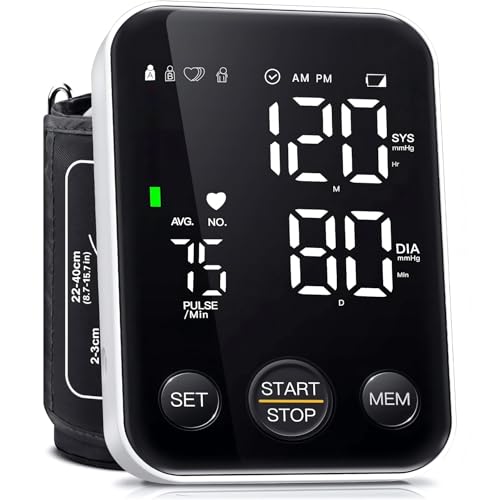
Oklar FDA Cleared Blood Pressure Monitor Upper Arm BP Machine for Home Use
- One-Button Operation: Easy and quick blood pressure measurement
- Large LED Display: Clear, backlit screen for easy reading
- Stores 240 Readings: Tracks data for two users with 120 readings each
As an affiliate, we earn on qualifying purchases.
As an affiliate, we earn on qualifying purchases.
How to Keep Your Home Data Clear and Useful
Organizing your health readings starts with capturing the right details in a consistent way. Use a simple table or log that includes:
- Date and time: When you measured.
- Measurement and units: e.g., 130/80 mmHg, 95 mg/dL.
- Context: Before/after meals, exercise, medication.
- Symptoms or notes: Headache, dizziness, stress, or recent activity.
- Repeat readings: When instructed, take multiple measurements.
For example, a simple log might look like this:
| Date/Time | Reading | Context | Notes |
|---|---|---|---|
| Monday, 7:30 a.m. | BP 132/82 mmHg | Before medication | Mild headache |
| Monday, 8:00 p.m. | BP 126/78 mmHg | Rested 5 min | None |
Keeping your data organized this way makes it easier for your doctor to interpret trends and understand your daily health fluctuations.
Pro tip: Save your logs digitally—spreadsheet, app, or email—so you can quickly update or share them.
Beyond just recording data, consider how the way you log influences your understanding. Consistent formatting reduces errors and helps you notice subtle changes over time. For example, if you always record symptoms alongside readings, you might detect that high blood pressure days coincide with stress or poor sleep, which can inform lifestyle adjustments or medication timing. The clarity of your data directly impacts your healthcare decisions, making thorough, organized logs an investment in your health management.
Deepening this approach, consider the implications of your data structure. Using standardized formats and consistent units helps prevent misinterpretation, especially if multiple people review your records. Additionally, digital logs can include automated alerts for unusual patterns, prompting you or your healthcare provider to take action sooner. Balancing thoroughness with simplicity ensures your logs are both comprehensive and manageable, ultimately enhancing your health insights and decision-making process.
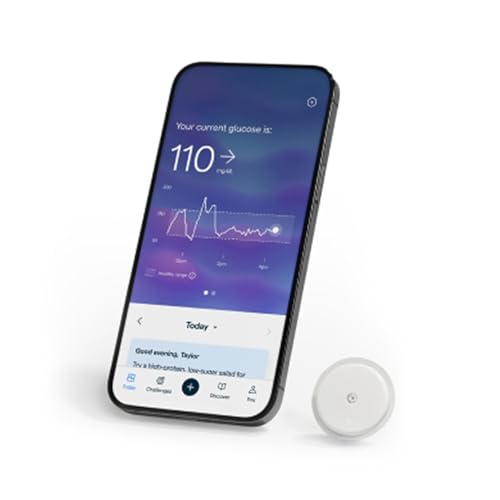
Lingo Continuous Glucose Monitor (CGM). 24/7 Glucose Tracking
- HSA/FSA Eligible: No prescription needed
- Continuous Glucose Monitoring: 24/7 glucose tracking via app
- Nutrition Optimization: Identify foods affecting your glucose
As an affiliate, we earn on qualifying purchases.
As an affiliate, we earn on qualifying purchases.
Spotting Patterns That Matter: When Your Numbers Reveal the Truth
Looking at one or two readings won’t tell you much. Instead, focus on patterns—are your readings consistently high in the mornings? Do they spike after meals? These trends can guide your health decisions.
For instance, if your blood pressure tends to be higher on weekdays and lower on weekends, this might reflect stress or routine differences, prompting you to explore stress management or lifestyle modifications. If glucose levels rise significantly after certain meals, it suggests your diet or medication timing may need adjustment. Recognizing these patterns enables you to work with your healthcare provider to optimize your treatment plan.
Clinicians prefer summaries that show averages, highest and lowest points, and how readings change over time. These patterns often reveal more than isolated spikes or dips. For example, a consistent morning rise in blood pressure could indicate inadequate medication coverage during the night, or a pattern of post-meal spikes might point to dietary triggers. Identifying and understanding these patterns can lead to more precise interventions, reducing the risk of complications and improving overall management.
Understanding the implications of these patterns is crucial. For example, a persistent high morning reading might suggest the need for medication timing adjustments, while post-meal spikes could indicate dietary triggers or insulin resistance. Recognizing these signals allows you and your healthcare provider to make targeted changes that improve your health outcomes. Remember, ignoring trends can lead to missed opportunities for early intervention and better disease control.
Remember: Don’t alter your medication based on a home reading unless your doctor approved this approach. Instead, use these patterns as discussion points to refine your treatment plan collaboratively.

Planners With Purpose B5 Medical Visit Logbook – Medical Notebook Organizer
- All-in-One Medical Organizer: Track symptoms, notes, medications, history
- Two Size Options: Available in A5 and B5 sizes
- Durable & Quality Construction: Spiral binding, vegan leather cover, thick paper, pen holder, pockets
As an affiliate, we earn on qualifying purchases.
As an affiliate, we earn on qualifying purchases.
Nailing Technique: How to Measure Correctly Every Time
Accurate readings hinge on proper technique. For blood pressure, use a validated cuff that fits your arm snugly. Sit calmly for five minutes, with feet flat and back supported.
Avoid caffeine, smoking, or exercise at least 30 minutes before measuring. Keep your arm at heart level, don’t talk, and take multiple readings if needed. These steps reduce variability caused by external factors, ensuring your readings reflect your true health status rather than temporary influences.
For blood glucose, oxygen, temperature, and weight, follow your device’s instructions carefully. Wash your hands, ensure sensors are clean, and record at consistent times. Consistency in timing and technique helps you detect genuine changes in your health rather than measurement errors.
A misstep—like measuring right after a snack or while stressed—can produce misleading data, leading to unnecessary worry or incorrect adjustments. By mastering proper technique, you minimize these errors and get a reliable picture of your health, empowering you to make informed decisions and discuss accurate data with your healthcare provider.
Understanding the tradeoffs involved, such as the discomfort of certain techniques versus the accuracy gained, can help you choose the best approach for your situation. For example, while resting for five minutes improves accuracy, it might not always be feasible, so balancing precision with practicality is key. Recognizing common pitfalls allows you to adapt your technique to ensure your data remains trustworthy.

No Leather Cover Blood Pressure Log Book – Simple Record & Monitor Daily Blood Pressure – 5.8" x 8.5" Tracking Book
- Individual insert: This product is a separate…
- 100 Pages 50 Sheets – This A5 Blood…
- Portable Size: This daily tracking record log…
As an affiliate, we earn on qualifying purchases.
As an affiliate, we earn on qualifying purchases.
Bring the Right Tools and Info to Your Appointment
Sometimes, bringing your device to your doctor’s visit can clarify questions. Check if your blood pressure monitor or glucometer is calibrated and working properly.
Make sure the device’s date and time are correct. If possible, compare its readings with clinic equipment to verify accuracy.
Bring a list of your medications, recent changes, and any device logs or charts you’ve made. This helps your doctor interpret your data in context.
Remember, consumer devices aren’t always as precise as clinical tools. Use them as guides, not definitive measures. Being prepared with accurate and recent data allows your healthcare provider to make better-informed decisions, reducing the need for repeated tests or clarifications during the appointment.
Understanding the implications of device accuracy and calibration helps you prioritize which data to trust and when to seek professional testing. For example, if your device consistently shows higher readings than the clinic, you might need to recalibrate or replace it. Bringing your logs and device history also enables your doctor to assess potential device-related errors and interpret your data more accurately, leading to better health decisions.
How to Craft a One-Page Summary That Gets Results
Summaries should be quick to read but packed with useful info. Include what you measured, why, and the timeframe. Highlight averages, highs, lows, and any unusual episodes.
For example:
- Measurement type: Blood pressure, daily morning readings for 2 weeks.
- Average: 135/85 mmHg
- Highest: 150/95 mmHg after stressful days
- Lowest: 120/78 mmHg on relaxed weekends
- Symptoms: Mild headache on high days
- Medication: New antihypertensive started 3 weeks ago
Include current meds, recent changes, and questions for your doctor. Keep it to one page—easy to scan during a short appointment.
This concise summary helps your doctor quickly grasp your health trends without sifting through excessive data, enabling more focused and effective discussions. The clarity and brevity of your report can make a significant difference in how well your health concerns are addressed during limited appointment times.
Deeply consider the implications of your summary’s content. Including context, such as recent stressors or lifestyle changes, provides your doctor with a fuller understanding of your health situation. Weigh the tradeoff between detail and clarity; too much can overwhelm, while too little might omit critical insights. Strive for a balance that highlights key patterns and questions, fostering productive dialogue and personalized care.
Frequently Asked Questions
How many days of readings should I bring to my appointment?
Typically, several days to a couple of weeks of consistent data give a clearer picture. Avoid only sporadic or scattered readings; a steady log helps spot trends.
Should I only bring abnormal readings?
No. Providing your complete record, including normal readings, helps your doctor understand your baseline and see if abnormal values are isolated or part of a pattern.
Can I show readings from my phone or app?
Yes, but printed or exported summaries are often easier to review quickly during a visit. Make sure your device or app is up-to-date and accessible beforehand.
How do I handle conflicting readings between my device and the clinic?
Bring both devices to your appointment. Differences can stem from technique, calibration, or timing. Your doctor can help interpret which reading is more reliable.
What are signs I need urgent medical help based on my readings?
Severe symptoms like chest pain, difficulty breathing, fainting, or sudden weakness require immediate attention. Always follow your personal emergency plan and seek help when in doubt.
Conclusion
Organizing your home health readings isn’t just tidiness; it’s a powerful way to give your doctor a clear story of your health. When your data is neat, contextualized, and easy to review, your visits become more productive, and your health management sharpens.
Next time you measure, think of yourself as a storyteller—your numbers are the chapters. Keep them organized, and your healthcare team will thank you for it.
Back to school Picks
back to school
As an affiliate, we earn on qualifying purchases.