TL;DR
Listen free for 30 days with Audible
Thousands of audiobooks and originals — cancel anytime.
Start your free trialAs an affiliate, we earn on qualifying purchases.
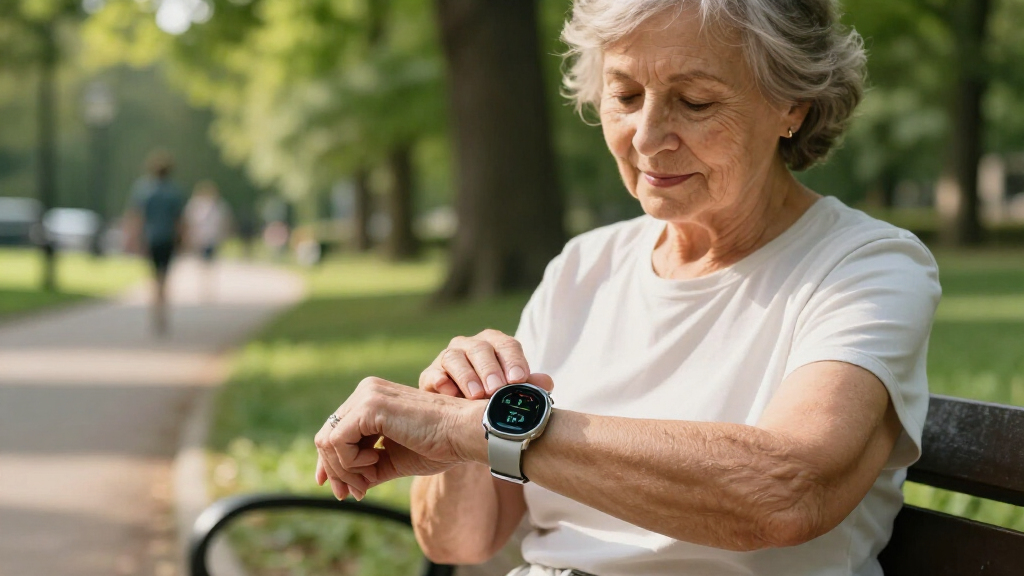
Smartwatches can support seniors’ health, but the most useful features are safety-related, like fall detection and emergency calling, along with easy communication and activity tracking. The best device is one they can wear comfortably, understand easily, and trust in an emergency.
Prioritize safety features like fall detection and emergency calling over complex health sensors.
Choose a device that’s easy to wear, understand, and keep charged—comfort and simplicity matter.
Use health alerts as prompts, not definitive diagnoses—always follow up with a healthcare professional.
Test the smartwatch in real-life situations before fully relying on it, especially for emergency functions.
Respect privacy and autonomy—location sharing and monitoring should be consensual and transparent.
Senior wellness field guide
Smartwatches as Wellness Trackers for Seniors
Which features genuinely help? The strongest choices act as a dependable safety net: easy to wear, simple to understand, charged when needed, and ready to connect a senior with help.
Features that earn a place on the wrist
The most useful tools support safety, mobility, routine, and communication. Their value comes from prompting action—not from replacing caregivers, clinicians, or dedicated medical-alert services.
Fall detection + SOS
Can detect some hard falls, check for a response, and contact help. A physical SOS control also covers dizziness, chest discomfort, disorientation, or feeling unsafe.
Activity + mobility trends
Steps, distance, movement reminders, walking speed, and steadiness can reveal changes against the wearer’s own baseline and encourage regular movement.
Heart-rate + rhythm alerts
High, low, or irregular rhythm notifications—and a single-lead ECG on some models—may prompt timely evaluation. They do not rule out heart disease or diagnose a heart attack.
Medication reminders
Prompts can reduce forgetfulness and support appointments. Dismissing an alert does not prove a pill was taken, so critical medication may still require supervision or a managed dispenser.
GPS + cellular calling
Location sharing can help during walks or emergencies. Cellular service allows calls without a nearby phone—but may require a separate plan and clear consent.
Accessible communication
Large text, wrist calls, voice assistants, spoken timers, noise warnings, and hearing-aid integration may provide more daily value than advanced health metrics.
A safety feature is only as strong as its chain
Every link must work in real conditions. A capable watch becomes ineffective if it is left charging, cannot connect, or presents an alert the wearer does not understand.
Event occurs
A hard fall is detected—or the wearer actively presses SOS for another emergency.
Watch checks in
The interface asks whether the wearer is safe and allows a false alarm to be cancelled.
Connection succeeds
A phone, Wi-Fi, or cellular plan provides the route to contacts or emergency services.
Help responds
The right person receives the alert, location, and context—and knows what to do next.
Practice from the usual rooms, garden, walking route, and areas with weak reception. Confirm who receives alerts, whether location is included, and what happens when the watch is away from its paired phone.
Prioritize action over impressive data
This practical ranking reflects how directly each feature can support safety or useful follow-up. Scores are a decision aid, not clinical performance ratings.
What each signal can—and cannot—tell you
Health alerts should open a conversation, not close a diagnosis. The safest interpretation pairs watch data with symptoms, history, and professional assessment.
| Feature | What it can help with | What it cannot establish | Best next action |
|---|---|---|---|
| Fall detection | ✓Flag some hard falls and start an emergency workflow. | ~May miss slow collapses or trigger false alarms. | Practice alerts and retain a backup response plan. |
| Heart rhythm | ✓Prompt evaluation of unusual rate or possible irregular rhythm. | ✗Cannot diagnose every arrhythmia or detect a heart attack. | Save the reading and seek professional assessment. |
| Walking metrics | ✓Show personal trends in movement, speed, or steadiness. | ~May be less exact with walkers, tremor, or shuffling gait. | Discuss persistent changes with a clinician. |
| Medication reminder | ✓Prompt a dose or appointment at a scheduled time. | ✗Cannot confirm the correct medication was taken. | Layer prompts with lists, dispensers, or caregiver checks. |
| Sleep tracking | ✓Estimate timing, duration, awakenings, and long-term patterns. | ✗Is not equivalent to a sleep-laboratory study. | Use patterns to discuss fatigue, snoring, or poor sleep. |
| Blood pressure | ~Some devices may offer calibrated estimates or trend prompts. | ✗Most do not measure like a validated upper-arm cuff. | Confirm with a properly fitted, validated cuff. |
Medical note: unexpected symptoms or readings require appropriate professional evaluation; urgent symptoms warrant emergency care.
Five checks that matter more than the spec sheet
A smartwatch succeeds when it fits naturally into everyday life. Involve the senior in setup, choose only useful notifications, and rehearse the actions that matter.
Wear it comfortably
Check weight, strap irritation, screen visibility, button reach, and fit during sleep or long walks.
Understand it easily
Use large text, a simple watch face, clear alerts, limited menus, and a one-step route to help.
Keep it charged
Build charging into a predictable routine and confirm how long essential features last away from power.
Test emergency functions
Verify SOS, fall alerts, location, contacts, network coverage, and behavior without the paired phone nearby.
Agree on privacy
Make location sharing and caregiver access consensual, transparent, limited, and easy to review.
Know when to step up
Choose a dedicated medical-alert or purpose-built location service when staffed response or continuous monitoring is needed.
The trustworthy smartwatch chain
Bottom line: choose safety, mobility, and communication first. Treat health data as a prompt for informed follow-up—not as a definitive diagnosis.
Why Safety Features Matter More Than Fancy Sensors
Smartwatches for seniors should prioritize safety over the latest health sensors. Features like fall detection and emergency calling are simple but can be life-saving. For example, a senior walking alone may slip and fall. A watch that detects the fall, then asks if they’re okay, can summon help if needed. These features work best when the device is comfortable, charged, and easy to activate.
While some watches claim to measure blood pressure or blood oxygen, their accuracy is often unreliable without clinical-grade calibration. Relying on these for medical decisions can be risky. Instead, focus on features that alert caregivers and emergency services directly, providing quick help when it’s most needed. Understanding why these safety features are more dependable comes down to their proven reliability in emergency situations. Complex sensors may sound impressive, but if they give inaccurate data, they can lead to false alarms or missed warnings, potentially causing more harm than good. Prioritizing safety features ensures that in critical moments, the device performs its primary role: alerting for help accurately and promptly.

Fajocru Fall Detection Smart Watch for Seniors with GPS Tracking, SOS Alert, Waterproof Fitness Tracker for Dementia/Alzheimer’s, 4G Safety
- Fall Detection and SOS Alert: Automatically detects falls and triggers SOS
- Real-Time GPS & Geo-Fencing: Precise location tracking and safe zones
- Two-Way Voice Communication: Easy voice calls with family and caregivers
As an affiliate, we earn on qualifying purchases.
As an affiliate, we earn on qualifying purchases.
How Activity and Mobility Tracking Support Independence
Smartwatches can count steps, track walking distance, and remind seniors to move. These simple metrics encourage activity, which is vital for health. For example, a watch showing a daily step goal can motivate a senior to walk around the block more often. Trends in walking speed or stride length can hint at mobility changes that may need medical attention.
Understanding the implications of these metrics is crucial. While consumer-grade devices are not medical tools, consistent use over time provides valuable insight into a senior’s mobility trends. A sudden drop in step count or a decrease in walking speed might signal emerging health issues, such as weakness, balance problems, or neurological concerns. Conversely, improvements can boost confidence and motivate further activity. The key is recognizing that while these devices aren’t diagnostic, they serve as early warning signals or progress indicators, helping caregivers and seniors make informed decisions about when to seek medical advice. The tradeoff is balancing the convenience of these tools against their limited precision, emphasizing their role as supportive rather than definitive health assessments.
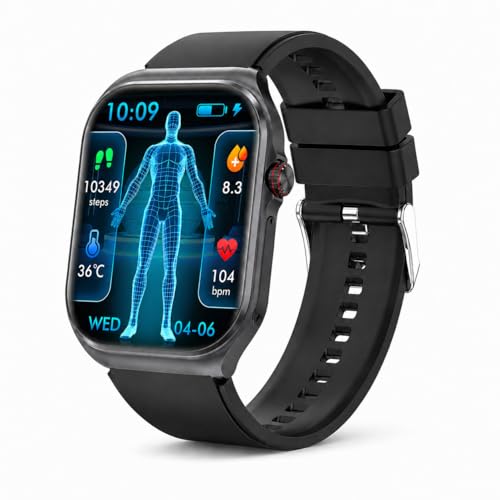
Nicdeix Smart Watch for Adults & Seniors, 1.87" Large Easy-to-Read Display, Bluetooth Calls, Heart Rate & SpO2, Sleep & Stress Tracking, 110+ Sports Modes, IP68, for Android & iPhone
- Health Monitoring: Heart rate, SpO2, sleep, stress tracking
- Large Display: 1.87-inch easy-to-read screen
- Customizable Watch Faces: Personalize with photos or multiple faces
As an affiliate, we earn on qualifying purchases.
As an affiliate, we earn on qualifying purchases.
Heart-Rate and Rhythm Alerts That Can Warn of Trouble
Many smartwatches can monitor heart rate and notify users of irregular rhythms. For seniors, detecting atrial fibrillation or unusual heartbeats might come early warning signs of potential problems. For example, an unexpected high heart rate during rest might prompt a consultation.
Understanding the importance of these alerts involves recognizing their limitations. They can serve as valuable early indicators of potential cardiac issues, prompting timely medical evaluation. However, these alerts are not definitive diagnoses; they are hints that should lead to professional assessment. If a watch detects an irregular heartbeat, it’s crucial to understand that false positives can occur, and not every irregularity warrants urgent intervention. The ECG feature on some models offers a snapshot that can be shared with a healthcare professional, providing more context. The key implication is that while these alerts can save lives by catching problems early, over-reliance without professional follow-up can lead to unnecessary anxiety or missed diagnoses. They are tools to support, not replace, medical expertise.
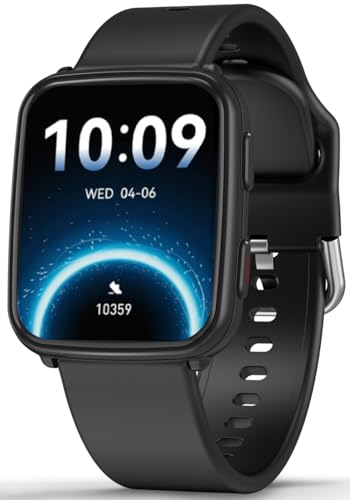
MorePro Fitness Tracker with 24/7 Heart Rate & Blood Pressure Monitor, Blood Oxygen & Sleep Tracker, Smart Watch with Step Calorie Counter, IP68 Waterproof Activity Tracker for Women Men Android iOS
- 24/7 Heart Rate & Blood Pressure: Continuous health monitoring
- On-Demand Blood Oxygen Checks: Quick oxygen level readings
- Sleep and Activity Tracking: Tracks sleep stages and daily activity
As an affiliate, we earn on qualifying purchases.
As an affiliate, we earn on qualifying purchases.
Medication and Appointment Reminders That Boost Routine
Simple reminders help seniors stay consistent with medications and appointments. For instance, a watch alerting them to take pills at set times can prevent missed doses. Coupled with caregiver support, these reminders improve safety and health management.
Understanding the limitations of reminders is important. While they can significantly reduce forgetfulness, they are not foolproof—especially for those with memory challenges. Missed reminders don’t confirm medication intake, which can be dangerous if doses are missed or doubled. For critical medications, supervised pill dispensers or caregiver checks are more reliable. Recognizing this tradeoff helps caregivers implement a layered approach: using reminders to prompt medication times while maintaining oversight through other means. The implication is that reminders are a helpful tool but should complement, not replace, direct supervision for safety-critical medications.

Fajocru Fall Detection Smart Watch for Seniors with GPS Tracking, SOS Alert, Waterproof Fitness Tracker for Dementia/Alzheimer’s, 4G Safety(Black)
- Fall Detection and SOS Alarm: Automatic fall alerts with emergency notifications
- Real-Time GPS & Geo-Fencing: Precise location tracking and safe zones
- Two-Way Voice Communication: Easy call and voice messaging for seniors
As an affiliate, we earn on qualifying purchases.
As an affiliate, we earn on qualifying purchases.
Location Sharing and Emergency Connectivity: Staying Close in a Crisis
GPS and cellular features allow seniors to share their location during walks or emergencies. A senior at risk of wandering, for example, can be tracked via a caregiver’s app. Devices with cellular service enable calls or messages without needing a phone nearby.
Understanding the implications of these features involves recognizing their role in safety and independence. Location sharing can be a critical tool for preventing dangerous situations like wandering, especially in unfamiliar environments. It provides peace of mind for caregivers and promotes autonomy for seniors. However, privacy considerations are essential; location sharing should always be consensual and transparent to avoid feelings of surveillance or loss of dignity. When used responsibly, these features can be life-saving, especially if a senior gets lost or disoriented. The tradeoff is balancing safety benefits with respect for privacy, making clear that these tools should be used thoughtfully and with consent.
Sleep Tracking—What It Can and Can’t Do
Smartwatches estimate sleep duration, patterns, and awakenings. For example, noticing consistent late nights or frequent awakenings can prompt a chat with a doctor about sleep issues. Some models even track breathing during sleep.
Understanding the significance of sleep tracking involves recognizing its limitations. These devices provide estimations, not definitive diagnoses, but they can reveal patterns that merit medical attention. For example, frequent nighttime awakenings might suggest sleep apnea or other sleep disorders that require professional evaluation. Similarly, irregular sleep durations can impact overall health, mood, and cognitive function. The key implication is that sleep data should be used as a conversation starter with healthcare providers, helping identify potential problems early. Relying solely on these estimates without medical consultation could lead to misinterpretation; thus, they are best used as supportive tools in a broader health assessment.
Communication and Hearing Features That Make a Difference
Many smartwatches include loud alarms, voice assistants, large text notifications, and call handling. For seniors, these features can make communication easier and more accessible. Imagine a watch that reads out reminders or incoming calls aloud, reducing the need to see tiny screens.
Understanding the value of these features involves recognizing their direct impact on daily independence. For seniors with hearing or vision impairments, clear audio cues or large, easy-to-read notifications can significantly reduce frustration and foster autonomy. Additionally, features like call handling and voice assistants streamline communication, making it easier to stay connected without navigating complex menus. The implication is that these practical features often provide more immediate, tangible benefits than advanced health metrics, especially for those facing sensory challenges. They contribute to a sense of empowerment and safety, allowing seniors to maintain social connections and manage daily tasks more independently.
Features to Approach with Caution
Some features sound promising but lack proven accuracy or clinical validation. Blood pressure estimates often require calibration, and blood glucose monitoring on smartwatches remains unreliable without invasive sensors. Blood oxygen sensors can be affected by movement or skin conditions, making readings less trustworthy.
Understanding the implications of these unproven features is critical. Relying on such data can lead to false reassurance or unnecessary anxiety, potentially affecting health decisions. For example, a smartwatch claiming to measure blood glucose without invasive sensors might give misleading results, risking improper management of diabetes. Stress scores and calorie estimates are generated through algorithms that are not standardized and can vary widely between devices. Using these as medical indicators is risky; they are better viewed as motivational or behavioral tools. The key takeaway is that unvalidated features can distract from proper medical assessment, so caregivers and users should prioritize clinically validated devices for health monitoring. This cautious approach helps prevent over-reliance on potentially inaccurate data, safeguarding health and trust.
How to Choose a Smartwatch That Truly Helps
- Assess the senior’s main goal: emergency help, activity motivation, or communication.
- Prioritize ease of use: large buttons, clear menus, voice control.
- Check comfort: lightweight, skin-friendly straps, simple fastening.
- Ensure reliable emergency functions: battery life, cellular capability, and easy activation.
- Consider privacy: what data is collected and who can access it.
- Test the device during a trial period, especially if arthritis, vision, or cognitive issues exist.
For example, a senior who worries about falls benefits most from a simple watch with a loud SOS button and fall detection, rather than a device packed with unneeded sensors.
Latest Trends in Wellness Watches for Seniors
In recent years, smartwatches focus more on passive safety and health trend detection. Features like overnight sleep sensing, irregular rhythm alerts, and personalized health trend notifications are becoming common. Devices now aim to integrate seamlessly with medical records and caregiver systems.
Accessibility improvements include larger screens, voice commands, and stronger haptic alerts. These innovations help make wellness features more usable for seniors with varying abilities.
However, always verify that new features are validated for safety and accuracy before relying on them in critical moments.
Frequently Asked Questions
Which smartwatch is easiest for a senior to use?
Look for a device with large, clear display, simple menus, and intuitive controls. Devices with voice assistants or one-touch SOS buttons are especially helpful for seniors with limited dexterity or vision.
Does fall detection work reliably, and will it call an ambulance automatically?
Fall detection can be effective but isn’t perfect. It may miss slow or gentle falls and sometimes trigger false alarms. Most watches require the user to confirm or manually activate emergency services, so they shouldn’t replace a dedicated medical-alert system.
Does the watch need a smartphone nearby?
Depends on the device. Some smartwatches connect via Bluetooth to a phone, requiring it nearby. Others have cellular capabilities, allowing independent calls and location sharing without a phone. Consider the senior’s mobility and comfort with technology when choosing.
Is a cellular subscription worth the additional cost?
If the senior often goes out alone or lives alone, cellular can provide peace of mind and quick emergency access. But if they mostly stay close to home and have a caregiver, a Bluetooth-only device might suffice, saving money.
Can a smartwatch detect atrial fibrillation or a heart attack?
Some models can flag irregular heart rhythms that suggest atrial fibrillation, but they are not diagnostic tools. They should prompt a visit to a healthcare provider for confirmation. They cannot detect a heart attack or other acute emergencies on their own.
Conclusion
A smartwatch that genuinely helps a senior is one that’s simple, reliable, and focused on safety and communication. It’s less about the bells and whistles and more about whether it can be trusted when it counts. Think of it as a digital safety net—light, comfortable, and always ready to catch them in an emergency.Pool season Picks
robotic pool cleaners
As an affiliate, we earn on qualifying purchases.