
TL;DR
Open a free Amazon Business account
Business pricing, bulk buying and tax-exempt orders.
Create a free accountAs an affiliate, we earn on qualifying purchases.
Upper arm monitors are generally more accurate because they measure near the heart, but wrist monitors are more portable and convenient. Proper positioning and validated devices are key to reliable readings from either type.
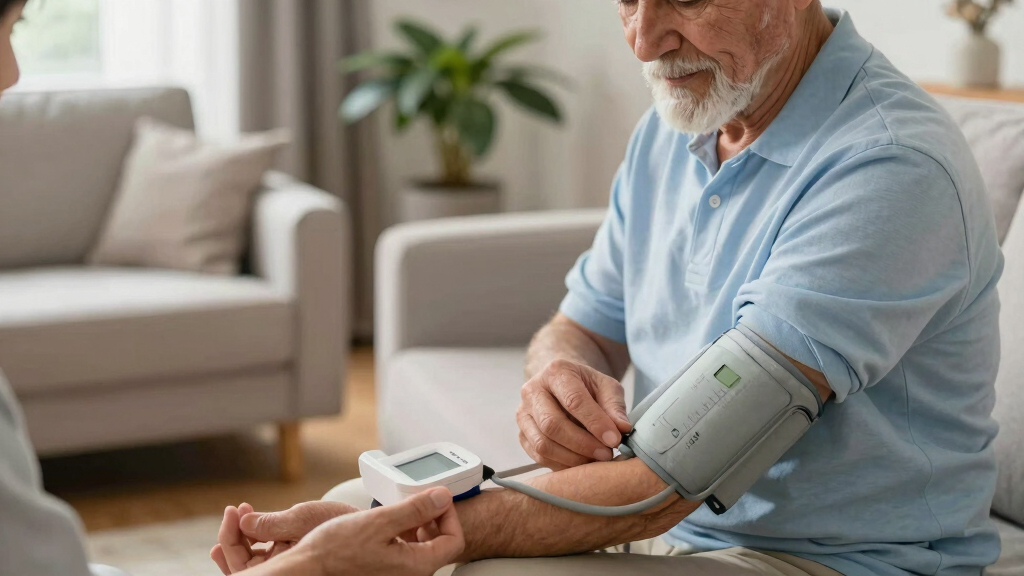
Upper arm monitors generally provide more accurate blood pressure readings, especially when used properly.
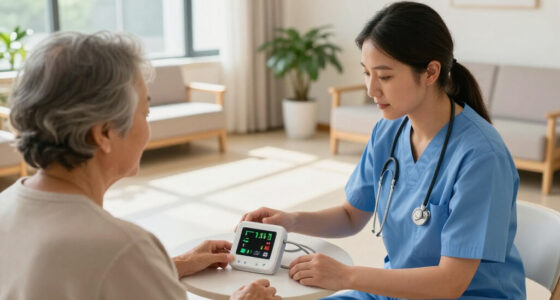
Wrist monitors are more portable and convenient but require correct positioning at heart level for reliable results.
Always choose validated devices to ensure your readings are trustworthy.
Proper technique — like sitting still and keeping your arm or wrist at heart level — is essential for accuracy.
Emerging smart devices can help track trends but should meet validation standards for health decisions.
Upper Arm vs Wrist Blood Pressure Monitors Compared
Upper arm monitors lead on clinical reliability. Wrist monitors lead on portability. The best choice is a validated device you can position correctly and use consistently—because technique can matter as much as form factor.
Three factors decide the result
The device location is only one part of the accuracy equation. Validation, cuff fit and repeatable technique determine whether a number is trustworthy enough to guide a conversation with your healthcare provider.
Closer to the heart
Upper arm cuffs measure the brachial artery, a well-established site for clinical blood pressure assessment. Wrist arteries are smaller and more sensitive to position.
The monitor you will use
Wrist devices fit easily into a bag or pocket. Upper arm models take more setup, yet their structured cuff placement often encourages a more repeatable routine.
Validation over features
Bluetooth, memory and large displays are useful—but independent clinical validation should come first when readings may influence health decisions.
Where each monitor wins—and compromises
| Feature | Upper arm monitor | Wrist monitor |
|---|---|---|
| Accuracy | Generally more reliable when the cuff fits and technique is correct. |
Can be close, but small position changes may shift the reading. |
| Portability | Bulkier cuff and housing usually need dedicated storage. |
Compact and lightweight for work, travel and quick checks. |
| Technique | Correct cuff placement and stillness remain essential. |
Wrist must be supported precisely at heart level. |
| Fit | Requires the correct cuff size for the upper arm. |
May suit people who cannot comfortably use an arm cuff. |
| Best for | Most adults and people managing diagnosed hypertension. |
Travelers or users with arm-fit and mobility challenges. |
| Cost | Basic through connected models; validation matters more than price. |
Accessible options are common, but device quality varies. |
Five steps that make the number meaningful
Use the same process each time. A calm, supported posture reduces measurement noise and makes trends easier to interpret.
Sit quietly before measuring. Avoid talking or rushing.
Support your back, place feet flat and uncross your legs.
Support the arm or wrist so the sensor is at heart level.
Remain still and follow the device instructions exactly.
Log readings consistently and look for trends, not one-offs.
Relative strengths
Conceptual comparison based on established device characteristics—not a clinical accuracy score. Individual performance depends on validation, fit and technique.
Connected care is arriving
Trend tracking
Bluetooth apps organize readings across days and weeks for easier pattern recognition.
Validation focus
More buyers are checking recognized validation standards before choosing a device.
Friendlier design
Voice prompts, larger screens and automatic inflation reduce setup friction.
Wearables emerging
Smartwatch-style monitoring is promising, but validation remains essential.
Choose around your real priority
Confidence comes first
- You are managing hypertension or medication changes.
- Your clinician wants consistent home readings.
- You have a correctly sized cuff and can apply it comfortably.
- You usually measure in one dedicated place.
Access keeps you consistent
- An upper arm cuff is painful, difficult to fit or impractical.
- You need a compact monitor for frequent travel.
- You can support the wrist precisely at heart level.
- The model is clinically validated for your intended use.
The trustworthy-reading chain
Accuracy and ease must work together.
For most people, a validated upper arm monitor is the safest default. A validated wrist monitor can be a practical alternative when portability, cuff comfort or mobility is the deciding factor—provided positioning is meticulous. Use readings to track patterns and discuss unusual or persistent results with a healthcare professional.
Which monitor gives you the most reliable blood pressure readings?
Upper arm monitors are generally considered more reliable because they measure blood pressure at the brachial artery, which is closer to the heart. This proximity means the readings are more reflective of your actual blood pressure, reducing the chances of misinterpretation that can lead to unnecessary worry or missed diagnoses. For example, an accurate reading of 140/90 mmHg on an upper arm device can influence critical health decisions, such as medication adjustments. In contrast, wrist monitors can produce misleading results if not used properly, because the wrist arteries are smaller and more susceptible to positional changes, which can cause readings to fluctuate significantly. This discrepancy matters because consistent, accurate measurements are essential for tracking your health over time and making informed decisions with your healthcare provider. Choosing an accurate device ensures you’re not misled by false readings that could either cause unwarranted concern or give a false sense of security.
validated upper arm blood pressure monitor
As an affiliate, we earn on qualifying purchases.
As an affiliate, we earn on qualifying purchases.
How easy are these monitors to use in everyday life?
Wrist monitors are designed for maximum convenience. Their compact size allows you to carry them easily in your purse or pocket, making them ideal for quick checks during busy days or travel. This portability encourages frequent monitoring, which can lead to better management of blood pressure, especially for those who need regular tracking. However, their ease of use can be a double-edged sword—improper positioning can lead to inaccurate readings. On the other hand, upper arm monitors often require more setup: finding the right cuff size, wrapping it snugly around your upper arm, and remaining still during measurement. While this process may seem cumbersome, it promotes more consistent and reliable readings when used correctly. The tradeoff is that upper arm monitors demand more time and effort but tend to yield more trustworthy data, especially important if you’re managing a condition like hypertension. Your choice depends on whether you prioritize convenience or accuracy, and understanding these tradeoffs helps you integrate blood pressure monitoring into your daily routine effectively.
portable wrist blood pressure monitor
As an affiliate, we earn on qualifying purchases.
As an affiliate, we earn on qualifying purchases.
Comparison table: Upper arm vs wrist blood pressure monitors
| Feature | Upper Arm Monitor | Wrist Monitor |
|---|---|---|
| Accuracy | Generally higher, especially when used correctly; provides readings close to the actual blood pressure at the artery near the heart, which is crucial for diagnosing and managing hypertension. | Less reliable if positioning isn’t perfect; susceptible to errors if the wrist isn’t at heart level, which can lead to under- or overestimation, potentially affecting health decisions. |
| Portability | Bulkier, less portable, often requiring a dedicated space for storage and setup, which can limit frequent use on the go. | Compact and lightweight, easily fitting into bags or pockets, encouraging more frequent use outside the home, but sacrificing some measurement stability. |
| Ease of use | Requires proper cuff placement and stillness; setup may be slightly more involved, but the process fosters more consistent results when done correctly. | Simple to operate with quick measurements, but correct wrist positioning at heart level is vital; improper use can produce inaccurate data, potentially leading to misinterpretation. |
| Cost | Range from basic to high-tech models, often costing a bit more due to size and features, but higher price usually correlates with better accuracy and validation. | Often slightly cheaper, making them accessible, but quality varies; always check for validation to avoid unreliable devices. |
| Ideal for | Most adults, especially those with hypertension or needing precise measurements for medical management, where accuracy is paramount. | Travelers, busy individuals, or those with mobility issues who need quick, portable options, but should be aware of potential accuracy tradeoffs. |
automatic blood pressure cuff for home
As an affiliate, we earn on qualifying purchases.
As an affiliate, we earn on qualifying purchases.
What recent trends are shaping blood pressure monitors?
Smart technology is transforming how you track your blood pressure. Many devices now connect via Bluetooth to smartphone apps, enabling you to view trends over days or weeks. This connectivity allows for better understanding of your health patterns, which can motivate lifestyle changes or prompt medical consultations when needed. For example, a wrist device syncing with your health app can give you instant insights during your morning routine, making monitoring less of a chore and more integrated into daily life. Manufacturers are also emphasizing validation, ensuring devices meet rigorous standards from organizations like the British Hypertension Society. This focus on accuracy is vital, as the proliferation of wearable tech like smartwatches promises convenience but raises concerns about reliability. As these innovations evolve, selecting validated devices becomes increasingly important to ensure your health data is trustworthy, enabling better management and early detection of issues.
smart blood pressure monitor with trend tracking
As an affiliate, we earn on qualifying purchases.
As an affiliate, we earn on qualifying purchases.
Key facts you need to know about blood pressure monitors
- Accuracy matters: For health decisions, upper arm devices are usually the gold standard because they measure blood pressure closer to the heart at the brachial artery, reducing the risk of false readings that could lead to misdiagnosis or inappropriate treatment.
- Position is everything: Wrist monitors require precise positioning, with the wrist at heart level and supported, because small deviations can significantly alter results, potentially leading to unnecessary anxiety or missed diagnoses.
- Validation counts: Always choose devices tested and approved by reputable organizations. Validation ensures the device’s measurements are accurate across different users and conditions, which is essential for safe health management.
- Monitoring frequency: Check your blood pressure once or twice daily, ideally at the same times each day, to track trends rather than isolated readings. Consistency in timing and technique helps identify true changes versus measurement variability.
- Be consistent: Use the same device and follow instructions carefully. Variations in technique or device can introduce discrepancies, making it harder to interpret your health over time. Reliable data depends on standardized procedures and validated equipment.
Questions you’re probably asking about blood pressure monitors
- Which is more accurate: wrist or upper arm? – Upper arm monitors usually provide more reliable results because they measure blood pressure at the artery closest to the heart, reducing the influence of positional errors and arterial differences. This accuracy is especially important for diagnosing and managing hypertension, where precise readings directly impact treatment decisions.
- Can wrist monitors replace upper arm devices? – They can, if validated and used with proper technique, but they generally require more careful positioning and awareness of limitations. For medical accuracy and consistent tracking, upper arm monitors remain the preferred choice, especially for clinical decision-making.
- Are wrist monitors easier to use? – Many find wrist monitors more convenient due to their portability and quick setup, making them appealing for everyday use. However, their ease of use is contingent on correct positioning at heart level; improper use can lead to misleading readings, which might compromise health management.
- What features should I consider? – Validation status, cuff size, ease of operation, memory functions, connectivity options, and positive user reviews are critical. Features like automatic inflation, multiple user profiles, and Bluetooth connectivity can enhance usability and data tracking, but always prioritize validated devices for accuracy.
- How often should I check? – Typically once or twice daily, at consistent times, to monitor trends rather than isolated measurements. Always follow your healthcare provider’s advice, especially if you’re managing hypertension or other cardiovascular conditions, to ensure your monitoring schedule supports your health goals.
Frequently Asked Questions
Can wrist blood pressure monitors be as accurate as upper arm monitors?
They can be, but only if used correctly and if the device is validated. Proper positioning at heart level during each reading is crucial for wrist devices to provide reliable results.Is it better to buy a more expensive device?
Not necessarily. Focus on validated models from reputable brands. Sometimes, a basic device that’s well-made and validated provides just as much accuracy as a high-end one.How do I know if my device is validated?
Look for certifications from organizations like the British Hypertension Society or the Association for the Advancement of Medical Instrumentation. Reputable brands usually list validation info on their packaging or website.Can I use a wrist monitor if I have large arms?
Yes, wrist monitors are suitable if upper arm cuffs don’t fit comfortably. Just remember to follow the positioning rules for accurate readings.How often should I check my blood pressure at home?
Typically once or twice daily, at the same times each day, but always follow your doctor’s advice for your specific health situation.Conclusion
Your choice between a wrist or upper arm blood pressure monitor hinges on your lifestyle and need for precision. Remember, no matter the device, consistent, correct use is your best bet for managing your health. When in doubt, stick with trusted, validated models and always follow the instructions — your health depends on it.Flea & tick season Picks
flea and tick prevention
As an affiliate, we earn on qualifying purchases.