
TL;DR
Listen free for 30 days with Audible
Thousands of audiobooks and originals — cancel anytime.
Start your free trialAs an affiliate, we earn on qualifying purchases.
Motion sensor lights turn on only when needed, deterring intruders and illuminating dark areas efficiently. They come in various types, with recent smart features making them easier to control and more reliable, especially when properly installed and adjusted.
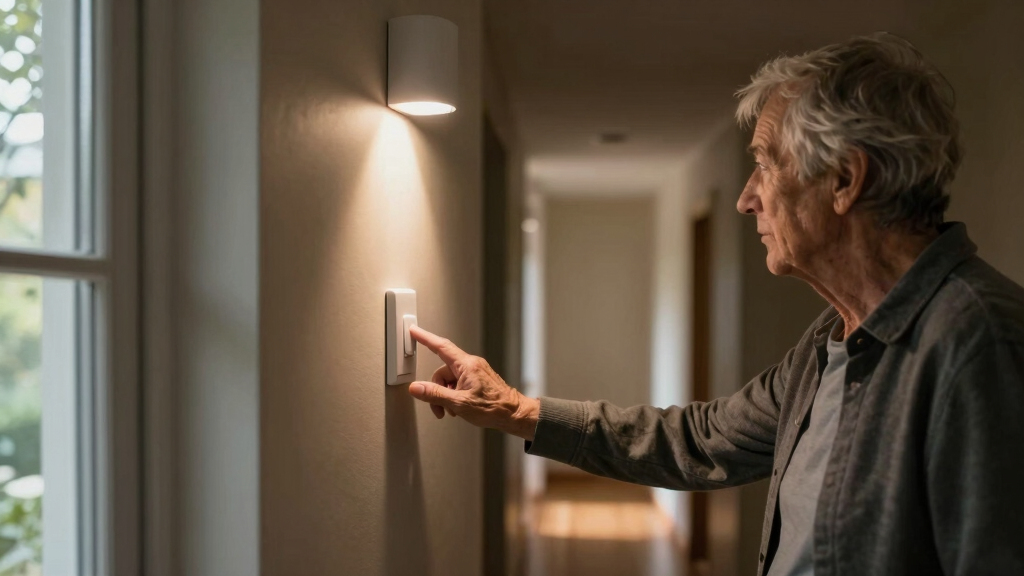
Ever come home late at night and wish someone had left the porch light on? Motion sensor lights make that unnecessary. They turn on as soon as they detect movement—brightening your path, scaring off intruders, and saving energy.
In this simple guide, you’ll learn how these lights work, where to put them, and what features matter most. Whether you’re updating your home security or just want a smarter way to light up the night, this overview will help you make better choices without the tech overwhelm.
Position motion sensors at 7-8 feet high, angled downward for broad, effective detection.
Choose LED, dual-technology sensors for fewer false alarms and higher energy efficiency.
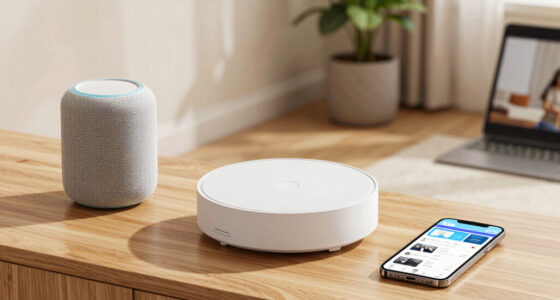
Smart features like app control and voice compatibility enhance usability and peace of mind.
Proper placement and sensitivity adjustments are key to preventing false triggers from animals or branches.
Regular maintenance and weatherproof fixtures extend the lifespan of your outdoor lights.
Motion Sensor Lights for Nighttime Safety
Light the path only when it matters. A well-chosen motion light can improve visibility, discourage intruders, reduce wasted electricity, and make late arrivals feel far less uncertain.
How the sensor sees movement
The sensor type determines what triggers the light, how quickly it responds, and how often pets, branches, or weather create nuisance activations.
PIR
Detects changing heat signatures from people and animals. It is the common, economical choice for most outdoor locations.
Ultrasonic
Sends sound waves into the area and detects changes in their return. It can react quickly and perceive subtle movement.
Dual-tech
Combines PIR and ultrasonic sensing so movement can be verified in two ways, reducing false activations.
Choose for the environment
There is no universal winner. Match detection technology to the level of reliability, sensitivity, energy use, and upkeep your location demands.
| Sensor | Energy use | False-trigger control | Reliability | Typical cost |
|---|---|---|---|---|
| PIR | ✓ Low | ✓ Good | ~ Weather dependent | ✓ Budget |
| Ultrasonic | ~ Moderate | ✗ More triggers | ~ Very sensitive | ~ Mid-range |
| Dual-tech | ~ Moderate | ✓ Strongest | ✓ High | ✗ Premium |
✓ Strong fit ~ Consider the tradeoff ✗ Potential limitation
From movement to safer visibility
A good installation is a connected system. Each link—from detection to calibration—affects whether the final result feels dependable.
Movement enters zone
A person, vehicle, animal, or branch crosses the field of view.
Sensor reads change
Heat, reflected sound, or both are evaluated by the fixture.
Settings filter noise
Sensitivity and ambient-light rules determine whether to activate.
LED illuminates
The configured brightness covers the path or security zone.
Visibility improves
Trips are easier to avoid and concealed approaches are exposed.
Put light where risk begins
Prioritize entry points, walking routes, vehicle approaches, and concealed corners. Keep the sensor’s view clear and avoid aiming it at traffic, reflective surfaces, or moving vegetation.
High enough for reach, low enough for accuracy
Angle the sensor downward so its detection field crosses the approach instead of projecting over it.
Start with vulnerable and high-traffic zones
Walk the property after dark and note where visibility disappears. Those transitions are the first candidates for coverage.
Spend on what improves reliability
The strongest specification is not always the brightest lamp. Detection quality, weather protection, adjustability, and efficient LEDs matter more over years of use.
Five decisions that matter
Use this sequence to move from a dark-zone survey to a reliable installation without getting lost in unnecessary technical detail.
Map the dark zones
Mark doors, paths, steps, garages, driveways, and hidden corners.
Select the sensor
Choose PIR for value or dual-tech when false alarms are a concern.
Match brightness
Use 700–1,200 lumens for paths and 2,000+ for security coverage.
Mount and calibrate
Install at 7–8 feet, aim downward, then tune sensitivity and duration.
Test every season
Recheck coverage as foliage, weather, daylight, and activity change.
What types of motion sensors actually detect movement?
Motion sensors come in three main flavors: Passive Infrared (PIR), ultrasonic, and dual-technology. PIR sensors detect heat signatures from people or animals, making them energy-efficient and suitable for most outdoor lighting needs. Ultrasonic sensors bounce sound waves to detect movement, often providing faster response times but with a higher likelihood of false alarms caused by small animals, wind, or moving branches. Dual sensors combine both methods, offering a balanced approach that reduces false triggers and ensures more reliable detection in varying conditions.
Understanding these differences helps you weigh the tradeoffs: PIR sensors are generally more energy-efficient and less prone to false alarms but may have limited detection range or fail in cold weather. Ultrasonic sensors can detect movement more quickly and at greater distances but might require more frequent adjustments or false alarm management. Dual sensors are ideal if you need a versatile, reliable solution but may come at a higher upfront cost. Consider your environment and specific safety needs when choosing the type, as the wrong sensor can lead to missed detections or nuisance alarms, reducing overall safety and convenience.

Tuffenough Solar Outdoor Lights 2500LM 210 LED Security Lights with Remote Control,3 Heads Motion Sensor Lights, IP65 Waterproof,270° Wide Angle Flood Wall Lights with 3 Modes(2 Packs)
- Remote Control & Modes: Three adjustable lighting modes
- Bright LED Illumination: 2500 lumens high brightness output
- Wide Angle & Motion Detection: 270° illumination with 26 ft sensing
As an affiliate, we earn on qualifying purchases.
As an affiliate, we earn on qualifying purchases.
Where should you install motion sensor lights for maximum safety?
Placement is crucial because even the most advanced sensor won’t help if it’s not positioned correctly. Think of your home as a map of vulnerable points and dark zones where intruders or accidents could happen. Installing lights at key entry points such as front doors, garage entrances, and backyards ensures these high-traffic, high-risk areas are well-lit. Pathways leading to these points should also be illuminated to prevent falls or trips. Dark corners along driveways or behind fences are common hiding spots, so placing sensors there enhances overall security.
When installing, aim for a height of about 7-8 feet, angled downward slightly. This height balances the sensor’s field of view with the need to avoid false alarms from small animals or nearby trees. Adjust the angle and sensitivity settings to fine-tune detection zones. For example, if a sensor is too sensitive, it might trigger from passing cars or wind-blown branches, leading to nuisance alarms that diminish trust in the system. Conversely, if it’s not sensitive enough, it might miss genuine threats or intrusions. Regularly testing and adjusting your sensors based on seasonal changes and landscaping growth ensures consistent safety coverage. Practical action: create a checklist of critical points, test sensor coverage periodically, and adjust settings to optimize your safety without over-triggering.

Onforu 32W 3200LM Smart Outdoor Security Light, WiFi Motion Sensor Flood Light with App Control, Compatible with Alexa, Hardwired 2-Head LED Flood Light, 2700K-6500K, IP65 Waterproof, White
- App & Voice Control: Control via Onforu App, Alexa, Google Assistant
- WiFi Compatibility: Connects to 2.4GHz WiFi, no 5GHz support
- Wide Motion Detection: 180° sensing angle, up to 72 ft range
As an affiliate, we earn on qualifying purchases.
As an affiliate, we earn on qualifying purchases.
What features should you look for in a motion sensor light?
Not all motion sensor lights are equally effective, and choosing the right features can significantly impact your safety and convenience. Brightness, measured in lumens, determines how well the light illuminates dark areas. For pathways and general outdoor lighting, 700-1,200 lumens are usually sufficient, providing clear visibility without blinding neighbors. For security purposes, higher brightness levels (2,000+ lumens) create a flood of light that can startle intruders and eliminate hiding spots. LED bulbs are highly recommended because they consume less energy, last longer—often over 25,000 hours—and are available in warm or cool tones to suit your aesthetic preferences.
Additional features like adjustable sensitivity allow you to prevent false alarms caused by small animals or moving foliage, which is especially useful in rural or wooded areas. Dusk-to-dawn sensors automatically turn lights on at night and off during the day, saving energy without manual intervention. Weather resistance ratings (like IP65 or higher) ensure your fixtures withstand rain, snow, and wind, maintaining reliability over time. Modern models increasingly include smart features—Wi-Fi or Bluetooth connectivity, app control, or compatibility with voice assistants like Alexa or Google Assistant—making management more convenient. Practical takeaway: prioritize features that align with your environment and safety goals, and consider future-proofing with smart integrations for added control and flexibility.

Onforu 75W LED Flood Light Motion Sensor Outdoor, 7000lm Dusk to Dawn Flood Light, Security Light with Three Head, IP65 Waterproof Exterior Floodlight, 6500k Wall Light for Entryway Stairs Yard Garage
- High Brightness Output: 7000 lumens from 112 LED beads
- Energy Efficient: Consumes only 75W, saves 85% energy
- Adjustable Triple Heads: 270-degree detection zone coverage
As an affiliate, we earn on qualifying purchases.
As an affiliate, we earn on qualifying purchases.
What recent innovations make motion sensor lights smarter and more reliable?
Recent technological advancements are transforming motion sensor lights from basic detectors into smart, energy-efficient security tools. Many now connect to your Wi-Fi network, enabling control and customization via smartphone apps. This means you can turn lights on or off remotely, set schedules, or adjust sensitivity levels without climbing ladders or manually accessing fixtures. For example, you might schedule lights to activate at dusk and turn off at dawn or increase sensitivity during holiday seasons when more activity is expected.
Voice control integration with systems like Alexa or Google Assistant allows you to command your outdoor lighting with simple voice commands, adding convenience and rapid response capabilities. Enhanced sensors now incorporate AI-driven algorithms that better distinguish between humans, pets, and moving branches, significantly reducing false alarms that can desensitize you to genuine threats. Solar-powered models are becoming more prevalent, leveraging sunlight to keep batteries charged, which is ideal for remote or hard-to-wire locations. Aesthetically, fixtures are evolving to be sleeker and less intrusive, blending seamlessly into your home’s design while maintaining advanced safety features. Practical implication: investing in these innovations can lead to more reliable, manageable, and aesthetically pleasing lighting solutions that adapt to your lifestyle and security needs.
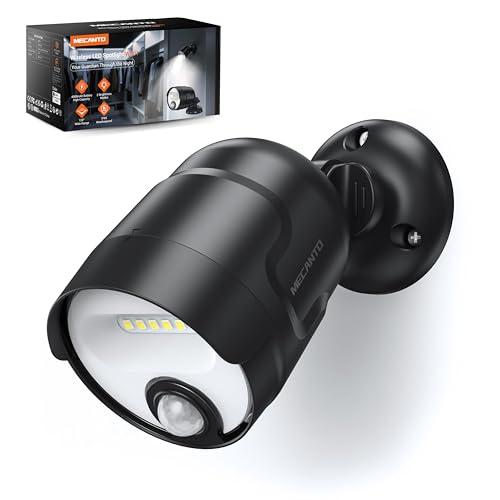
Mecanto USB Rechargeable Motion Sensor Light Outdoor, 4000mAh Built-in Battery 600 Lumen Spotlight, IP65 Waterproof Cordless Wall Light for Porch Garage House
- Rechargeable Battery: Built-in 4000mAh battery lasts 60 days
- Wireless Outdoor Lighting: Automatic 45-second illumination on motion
- Wide Detection Range: Detects motion within 30 feet, 120° angle
As an affiliate, we earn on qualifying purchases.
As an affiliate, we earn on qualifying purchases.
What key facts should you keep in mind when choosing motion sensor lights?
Understanding key facts about motion sensor lights helps you make informed decisions that balance safety, energy efficiency, and long-term value. Proper placement and sensor calibration are critical; a poorly positioned sensor might miss detection zones or trigger unnecessarily, reducing trust in your system. For example, placing a sensor too close to a busy street might cause false alarms from passing cars, while placing it too high or too low might limit its effectiveness. Adjusting sensitivity settings based on seasonal changes—like increased foliage or snow—ensures consistent performance.
These lights are proven deterrents: studies indicate that outdoor lighting improvements can reduce burglaries by up to 20%. LED models offer the best longevity, often exceeding 25,000 hours, which minimizes replacement costs and maintenance. Weatherproof ratings (such as IP65 or higher) are essential for outdoor fixtures, ensuring they withstand rain, snow, and wind, thus maintaining safety year-round. Recognizing these facts enables you to select fixtures that deliver reliable performance, reduce false alarms, and provide lasting security. Practical step: create a checklist of key features—brightness, sensor range, weather ratings—and verify these before purchasing to maximize your investment’s safety and efficiency.
Conclusion
Adding motion sensor lights isn’t just about brightening your home — it’s about making it safer, smarter, and more energy-conscious. With simple placement and the right features, you turn your property into a well-guarded, welcoming space after dark.
Think of your lights as silent sentinels, ready to alert or deter in a flash. When you choose wisely and tune your sensors, you create a safer, brighter night for everyone inside and out.
Labor Day sales Picks
labor day deals
As an affiliate, we earn on qualifying purchases.