
TL;DR
Open a free Amazon Business account
Business pricing, bulk buying and tax-exempt orders.
Create a free accountAs an affiliate, we earn on qualifying purchases.
Digital thermometers, especially forehead and ear types, are the easiest to use at home for quick and reliable readings. Recent tech improvements make non-contact and smart thermometers more accessible, but choosing depends on your comfort and accuracy needs.
When you’re feeling under the weather, the last thing you want is a complicated, frustrating thermometer. Yet, with so many options—from traditional glass to modern smart devices—knowing which one to pick can feel overwhelming.
This guide cuts through the jargon to show you which home thermometer types are the easiest to use, based on real-world scenarios. Whether you’re caring for a sick child or monitoring your own health, understanding the differences helps you choose confidently and get reliable readings fast.
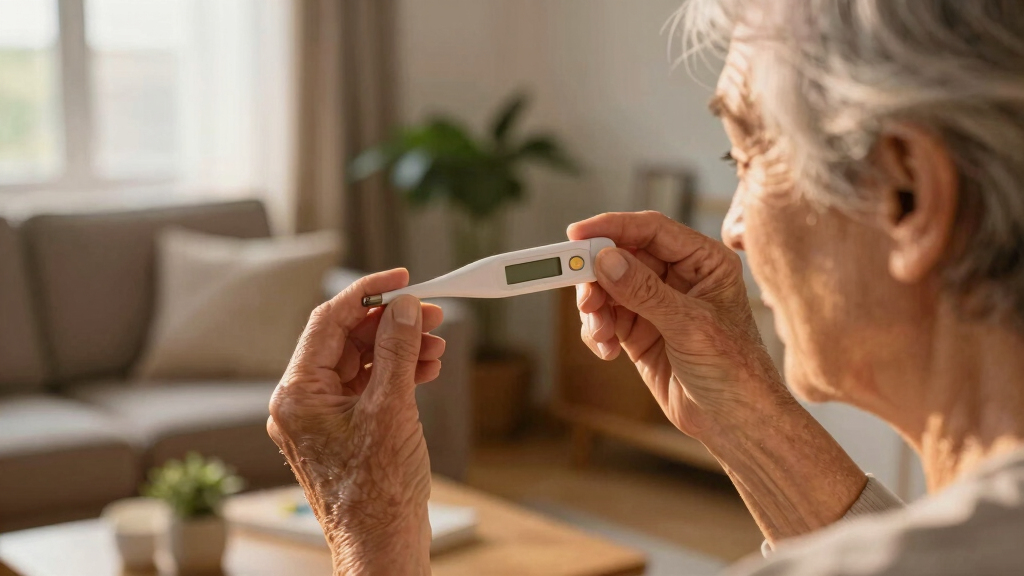
Digital thermometers are usually the easiest to use because they combine speed, accuracy, and simplicity.
Forehead and ear thermometers offer quick, non-invasive readings, ideal for children and busy households.
Contactless infrared thermometers are excellent for quick screening but need proper technique for accuracy.
Smart thermometers add tracking features, making them helpful for ongoing health monitoring.
Proper use and calibration are key to maintaining reliable, safe temperature readings at home.
Home Thermometers: Which Type Is Easiest to Use?
When illness strikes, speed and simplicity matter. Digital forehead and ear models make temperature checks fast and comfortable—but the easiest device is still the one you can position correctly every time.
Five types, five different tradeoffs
Convenience is a mix of reading speed, comfort, positioning and maintenance. These are the options most households will encounter.
Digital probe
Press one button and measure orally, underarm or rectally. Reliable, inexpensive and familiar, though slower than infrared models.
Forehead
A quick temporal scan works for every age and can disturb a sleeping child less. Sweat and room temperature can affect results.
Ear / tympanic
Comfortable and quick for children and adults. Accuracy depends on aiming the probe correctly and avoiding interference from earwax.
Contactless infrared
Excellent when hygiene and speed are priorities. Distance, angle, wind and sweat mean technique still matters.
Smart thermometer
Bluetooth or Wi-Fi adds charts, reminders and shareable records. Useful for ongoing monitoring, but cost and setup add friction.
Glass thermometer
Slow to read and harder to interpret. Mercury versions have largely been phased out because breakage creates a safety risk.
Which thermometer fits your household?
Forehead models win on pure convenience. Basic digital probes remain the strongest low-cost choice, while ear thermometers reward users who learn the correct angle.
| Type | Speed | Ease | Best for | Contact | Watch for |
|---|---|---|---|---|---|
| Digital probe | 10–30 sec | ✓ Very easy | Adults, children 5+ | Direct | Correct measurement site |
| Ear | 2–3 sec | ~ Practice | Children, busy homes | Light contact | Angle and earwax |
| Forehead | About 2 sec | ✓ Very easy | All ages, quick checks | Light / none | Sweat and environment |
| Contactless | 1–2 sec | ✓ Very easy | Hygienic screening | None | Distance and aim |
| Smart | Varies | ~ Setup | Multi-day monitoring | Varies | App, pairing and cost |
| Glass | Several min | ✗ Harder | Legacy use | Direct | Breakage and slow reading |
Convenience, visualized
Relative scores combine speed, comfort, setup and the amount of placement skill typically required. They are a practical guide—not laboratory accuracy ratings.
The device is only half the measurement
A clear reading depends on a repeatable chain. Break one link—especially placement or environmental control—and even a sophisticated thermometer can mislead.
Match the user
Consider age, comfort and who will operate it.
Control conditions
Dry the forehead and allow time after coming indoors.
Use the right angle
Follow site, distance and placement instructions exactly.
Repeat if unusual
Recheck unexpected readings with consistent technique.
Clean and calibrate
Store safely, replace batteries and follow the manual.
Ear technique
Gently position the ear as directed, insert the probe without force and aim toward the eardrum. Earwax or a poor seal can alter the result.
Forehead technique
Use on clean, dry skin at the specified distance. Sweat, wind, direct sun or recent cold exposure can distort surface readings.
Probe technique
Use the measurement site specified in the instructions, wait for the completion signal and clean the probe before and after use.
If a baby, child or adult appears seriously unwell, seek appropriate medical advice even when the reading seems reassuring. For infants, follow your clinician’s guidance on measurement method and fever thresholds.
Make the decision in one minute
Choose around your real routine, not the longest feature list.
Infant, child, adult, senior—or the whole household?
For restless children, two seconds can be a major advantage.
Forehead or contactless models maximize comfort and hygiene.
Smart models add trend charts, reminders and sharing.
The best choice produces repeatable results for every caregiver.
Before the first reading
A few small habits improve consistency and help prevent a convenient device from becoming a source of confusion.
Which type is easiest for children?
Ear and forehead thermometers are quick, non-invasive and less likely to disturb a child. Correct positioning remains essential.
Are contactless models accurate enough?
They are useful for quick screening. Follow the specified distance and account for sweat, wind and ambient temperature.
How do I preserve accuracy?
Clean the device, store it consistently, replace weak batteries and follow the maker’s instructions for calibration and error checks.
Are smart features worth it?
They help when tracking a fever over several days or sharing trends. For occasional checks, a simpler digital model may be easier.
How often should it be calibrated?
Follow the manufacturer’s schedule. Check sooner if readings become inconsistent, the device is dropped or it experiences extreme storage conditions.
What is the final verdict?
Digital wins for most households. Choose forehead for effortless speed, ear for rapid child checks, or a probe for low-cost versatility.
Digital Thermometers: The Fastest and Most Reliable Choice
Digital thermometers are the easiest to use because they give quick, precise readings with a simple push of a button. Imagine taking your kid’s temperature in just 10 seconds—no fuss, no guesswork. They work orally, rectally, or underarm, but the digital forehead models are especially popular for their quick, non-invasive scans.
For example, a parent can easily check a toddler’s temperature while they’re sleeping, with minimal disturbance. Just place the probe in their ear or scan their forehead, and the device displays the reading instantly. They’re also affordable, with many models costing less than $20, and batteries last for hundreds of measurements.
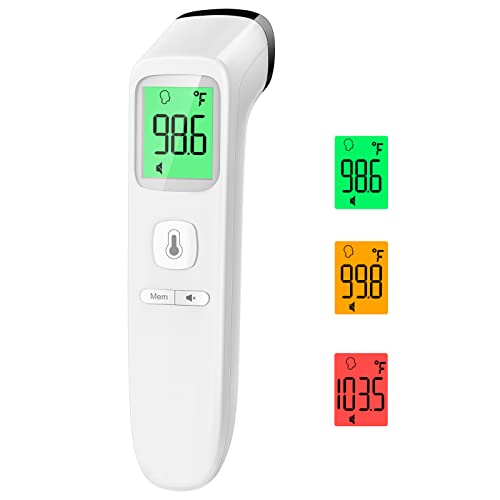
No-Touch Thermometer for Adults and Kids, Accurate Digital Baby Thermometer
- Reliable and Accurate: Clinically tested for precision
- Fast and Easy Readings: Point and press for instant results
- Infrared Technology: Provides quick, contactless measurements
As an affiliate, we earn on qualifying purchases.
As an affiliate, we earn on qualifying purchases.
Ear (Tympanic) Thermometers: Fast, Comfortable, but Need Skill
Ear thermometers are quick—often giving a reading in 2-3 seconds—and are considered easy for most adults. However, getting a precise reading depends on correct placement. For example, if the probe isn’t inserted properly or if there’s earwax, the reading can be off.
Think of it like trying to find the right spot on a puzzle piece—you need to gently hold the ear back, aim the probe properly, and stay still. Once mastered, they’re great for children and busy households, but initial use might require some practice.
It’s important to note that improper technique or earwax buildup can lead to inaccurate readings, which might cause unnecessary concern or missed fevers. Therefore, understanding the correct method and maintaining the device is crucial for reliable results.

iProven Ear Thermometer with Non-Touch Forehead Function, Superior Accuracy
- Dual Mode for Forehead and Ear: Combines forehead and ear measurements for accuracy
- Fast, Easy, and Quiet Operation: One-button use with quick results and silent mode
- Intelligent Fever Indicator: Warns of fever and hypothermia instantly
As an affiliate, we earn on qualifying purchases.
As an affiliate, we earn on qualifying purchases.
Forehead (Temporal Artery) Thermometers: Quick, Non-Invasive, But Sensitive to Outside Factors
Forehead thermometers use infrared sensors to scan the temporal artery, providing a quick, contactless reading. They’re perfect for a fuss-free check—just swipe across the forehead, and you get a result in 2 seconds. This makes them popular during flu seasons or in clinics.
However, external factors matter. Sweat, wind, or even ambient room temperature can influence the reading. For example, if someone just came in from the cold, the thermometer might read lower than their actual core temperature. This sensitivity means that while they are convenient, they require proper technique and awareness of environmental conditions to ensure accuracy.
Understanding these limitations helps users interpret readings correctly and avoid unnecessary alarm or misdiagnosis due to external influences.

Etekcity Infrared Thermometer Laser Temperature Gun 774
- Versatile Measurement Applications: Measures objects indoors and outdoors
- High Accuracy: 12:1 distance-to-spot ratio for precise readings
- Easy to Use: Quick surface scans with instant LCD display
As an affiliate, we earn on qualifying purchases.
As an affiliate, we earn on qualifying purchases.
Comparison Table: Which Thermometer Is Easiest for Your Needs?
| Type | Speed | Ease of Use | Best For | Invasiveness |
|---|---|---|---|---|
| Digital (oral/axillary) | 10-30 sec | Very easy | Adults, children over 5 | |
| Ear (tympanic) | 2-3 sec | Moderate (needs practice) | Children, busy households | |
| Forehead (temporal) | 2 sec | Very easy | All ages, quick checks | |
| Contactless (infrared) | 1-2 sec | Very easy | Public spaces, quick screening |
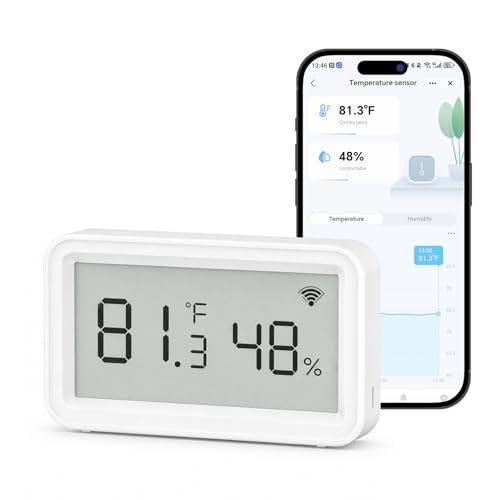
eMylo WiFi Thermometer Hygrometer,Smart Indoor Temperature Humidity Sensor
- Remote WiFi Monitoring: Real-time temperature and humidity tracking
- App Notifications: Custom alerts for temperature and humidity changes
- Smart Home Integration: Automate devices based on sensor readings
As an affiliate, we earn on qualifying purchases.
As an affiliate, we earn on qualifying purchases.
Smart Thermometers: The Future of Easy Monitoring
Smart thermometers connect via Bluetooth or Wi-Fi to your phone, making temperature tracking seamless. Imagine seeing a chart of your child’s fever over several days, helping decide when to see a doctor. These devices are often digital or infrared, with added convenience features.
For example, a parent can set alerts if a fever crosses a certain threshold, or share data directly with your healthcare provider. They’re more expensive—often $50 or more—but bring peace of mind with continuous monitoring.
Safety and Accuracy: What Matters Most
Accuracy depends on proper use and calibration. Digital thermometers are usually very reliable if used correctly—just follow the instructions. For example, ensure the probe is clean and placed correctly, whether orally or in the ear.
Safety is especially vital for infants. Digital rectal thermometers are the gold standard for babies, offering the most precise readings. But many parents prefer forehead or ear thermometers for safety and convenience, as long as they’re used properly.
Choosing a thermometer involves weighing the tradeoff between invasiveness and accuracy. Rectal thermometers are more invasive but offer the most precise readings, which is critical for infants. Non-invasive options like forehead or ear thermometers are safer and quicker but can sometimes be less accurate if not used properly, highlighting the importance of proper technique and calibration to ensure reliable results.
Clear Tips for Choosing Your Easiest Thermometer
- Decide who will use it most—children, seniors, or everyone.
- Think about how quickly you need readings—instant or longer is fine?
- Pick a non-invasive option if comfort matters, like forehead or ear.
- Check if you want extra features—tracking or alerts?
- Read reviews and follow calibration instructions to keep it accurate.
Frequently Asked Questions
Which type of thermometer is best for children?
Most parents find that ear (tympanic) or forehead thermometers are easiest for kids. They’re quick, non-invasive, and less likely to wake a sleeping child. Just make sure to follow the instructions for proper placement.
Are contactless thermometers accurate enough?
They are generally accurate for quick screenings, especially in busy settings like clinics or schools. However, external factors like sweat or wind can affect results, so follow the manufacturer’s instructions carefully.
How do I keep my thermometer accurate?
Regular calibration, proper cleaning, and following usage instructions help ensure accuracy. Replace batteries when needed and store the device in a safe, consistent environment.
What’s the safest thermometer for infants?
Digital rectal thermometers are considered most accurate for babies. For ease and safety, forehead or ear thermometers are also good options if used correctly.
How often should I replace or calibrate my thermometer?
Follow the manufacturer’s guidelines—most recommend replacing batteries annually and calibrating once a year or if readings seem inconsistent.
Conclusion
Choosing the easiest home thermometer isn’t just about convenience—it’s about getting reliable readings when it matters most. For most families, digital models strike the perfect balance of speed, accuracy, and simplicity.
Remember, a thermometer is a tool, but how you use it makes all the difference. Pick one that fits your routine, learn how to use it right, and you’ll always have your health status at your fingertips.
College move-in / dorm season Picks
dorm essentials
As an affiliate, we earn on qualifying purchases.