TL;DR
Listen free for 30 days with Audible
Thousands of audiobooks and originals — cancel anytime.
Start your free trialAs an affiliate, we earn on qualifying purchases.
Smartwatches now include emergency features like fall detection and SOS calls, but they often lack the reliable monitoring and instant response of dedicated medical alert systems. For high-risk individuals, combining both may be best.
Imagine having a device that can call for help at a moment’s notice, detect a fall, and even alert loved ones — all on your wrist. It sounds perfect, right? But can a smartwatch truly replace a dedicated medical alert system? That’s what many are asking as technology blurs the lines between consumer gadgets and life-saving tools.
Today, you’ll learn what smartwatches can do in emergencies, where they fall short, and whether they’re enough for your safety. If you or an aging loved one want independence without sacrificing security, this guide will clarify what’s realistic and what’s not.
Smartwatches now include fall detection, SOS calls, and emergency features, but they depend on user action and network reliability.
Dedicated medical alert systems offer guaranteed, 24/7 professional monitoring, making them more reliable in emergencies.
Ease of use is crucial: medical alert buttons are simple, while smartwatches can be complex for seniors or tech-averse users.
Cost considerations: alert systems usually have ongoing monitoring fees, while smartwatches are an upfront investment with optional subscriptions.
For high-risk individuals, using both a smartwatch and a dedicated alert device provides the best safety coverage.
What emergency features do smartwatches actually have?
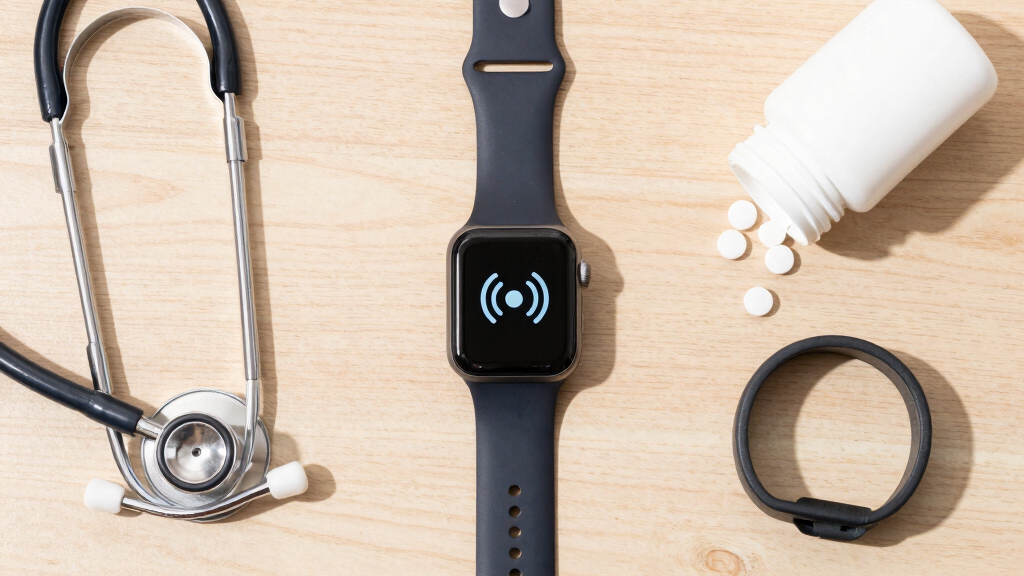
Smartwatches like the Apple Watch Series 4 and newer or Samsung Galaxy Watch now come packed with emergency tools. For instance, they can detect falls, automatically call emergency services, or send alerts to loved ones with a simple tap. Imagine you trip and hit the ground hard — your watch senses the impact and offers to call for help.
These features can be lifesavers. But they’re not foolproof. Sometimes, a fall isn’t detected, or the wearer can’t respond. Understanding what’s built-in helps you see how these devices measure up to dedicated systems.
- Fall detection: Recognizes sudden impacts and prompts action, which is crucial because many falls go unnoticed or unreported, especially if the person is alone or unconscious.
- SOS button: Sends a distress signal with your location, but its effectiveness depends on the user remembering or knowing how to activate it quickly during a crisis.
- International emergency calling: Reach emergency services worldwide, which is vital for travelers or those in unfamiliar areas, but the reliability depends on network coverage and device setup.

Connected Caregiver Safety+ Ultra 4G Medical Alert System for Seniors: Advanced, Fall Detection, 24/7 Monitor, WiFi Locate, SOS Button, Small, Lightweight, (Call to Activate)
- First Month Free and Easy Activation: Simple call activation with free first month
- Affordable Monthly Subscription: $40/month includes monitoring and features
- 24/7 Nationwide Emergency Monitoring: Constant security with US-based operators
As an affiliate, we earn on qualifying purchases.
As an affiliate, we earn on qualifying purchases.
How reliable are smartwatches during emergencies?
Reliability is key when seconds count. Medical alert systems are built with dedicated networks that stay active 24/7, even if you can’t speak or press a button. They’re designed for immediate dispatch of help, providing a safety net that doesn’t rely on user intervention or phone connectivity.
Smartwatches depend on your smartphone or cellular network, which introduces variables that can compromise reliability. For example, if you’re in a basement with poor signal or your phone’s battery dies, the watch’s emergency features may become useless. In rural areas with weak network coverage, even a simple SOS call might not go through quickly, delaying critical assistance. The implications are significant: in emergencies where every second matters, these vulnerabilities could mean the difference between help arriving promptly or not at all.
While ongoing technological improvements are making smartwatches more dependable, these inherent limitations highlight why they cannot yet match the guaranteed, always-on coverage of dedicated systems. The tradeoff is convenience versus certainty; smartwatches offer portability and multi-functionality but at the potential cost of reliability in critical moments.

Fajocru Fall Detection Smart Watch for Seniors with GPS Tracking, SOS Alert, Waterproof Fitness Tracker for Dementia/Alzheimer’s, 4G Safety(Black)
- Fall Detection and SOS Alarm: Automatic fall alerts with emergency notifications
- Real-Time GPS & Geo-Fencing: Precise location tracking and safe zones
- Two-Way Voice Communication: Easy call and voice messaging for seniors
As an affiliate, we earn on qualifying purchases.
As an affiliate, we earn on qualifying purchases.
Design and ease of use — what’s best for seniors?
Medical alert devices often feature large buttons, simple interfaces, and loud alarms. They’re made for quick, intuitive use—perfect for seniors or those with disabilities. Think of pressing a big, bright button to alert someone immediately.
Smartwatches are more complex. They have smaller screens, multiple functions, and require some tech know-how. For example, an older adult might struggle to find or press the SOS feature during a crisis, especially if they’re unfamiliar with the device’s interface or if they’re experiencing stress or confusion. This can lead to delays in requesting help when it’s needed most.
If ease of use is your main concern, a dedicated device might win because it’s designed specifically for rapid, straightforward operation under stress. However, some smartwatches now aim to bridge that gap with simplified interfaces and voice commands, but these are still less intuitive than dedicated emergency buttons. The tradeoff involves balancing advanced features with accessibility; for many seniors, simplicity can be a critical factor in effective emergency response.
As an affiliate, we earn on qualifying purchases.
Monitoring services — do smartwatches offer professional help?
Most medical alert systems include professional monitoring centers that can dispatch emergency responders instantly. They’re like having a safety net ready at all times. These centers are staffed around the clock, trained to assess emergencies quickly, and coordinate immediate assistance, which is especially vital if the individual is unable to communicate or is unconscious.
Smartwatches don’t typically include this level of service. Some third-party apps attempt to fill the gap, but they often depend on manual activation or subscription-based services. For example, an app might notify a caregiver if an alert is triggered, but it doesn’t automatically summon emergency responders unless specifically configured, and even then, it relies on the user’s smartphone and network connection.
This difference has significant implications: in life-threatening situations where seconds matter, the absence of professional, always-on monitoring can mean the difference between timely help and dangerous delays. The tradeoff is convenience versus guaranteed professional response—dedicated systems prioritize the latter, providing peace of mind that help is always on standby.

SecuLife SOS Wristband for Seniors with Fall Detection — Alerts Go Direct to Family, No Call Center | One-Button Simplicity, GPS Tracking, Geofencing, 2-Way Calling, Waterproof Medical Alert
- SOS Call & Fall Detection: Emergency calls and automatic fall alerts
- Easy Activation: Monthly subscription with unlimited alerts and tracking
- Real-Time GPS & Geofencing: Location monitoring and safe zone alerts
As an affiliate, we earn on qualifying purchases.
As an affiliate, we earn on qualifying purchases.
Frequently Asked Questions
Can a smartwatch fully replace a medical alert system?
While smartwatches provide useful emergency features like fall detection and SOS calls, they lack the guaranteed, 24/7 professional monitoring that dedicated medical alert systems offer. For high-risk or vulnerable users, a dedicated system still provides more reliable emergency response.
Are smartwatches dependable during emergencies?
Smartwatches are increasingly dependable for certain functions, but their effectiveness depends on factors like network coverage, device setup, and user response. They are best seen as supplementary tools rather than complete replacements.
What are the limitations of smartwatches as emergency devices?
Limitations include dependence on your smartphone or cellular service, potential false alarms, limited professional monitoring, and complexity for less tech-savvy users. They also may not activate automatically in all emergency scenarios.
Which smartwatch features are most helpful in emergencies?
Features like fall detection, SOS emergency calls, international emergency dialing, and health monitoring are key. These can provide quick alerts and vital data, especially if paired with appropriate apps or services.
Should I combine a smartwatch with a medical alert system?
Yes, for comprehensive safety, using both can be ideal. The smartwatch handles daily health and fall alerts, while the medical alert system provides immediate dispatch in serious emergencies—offering peace of mind for high-risk individuals.
Conclusion
Smartwatches are becoming more capable, blending health tracking with emergency features. But they aren’t quite ready to replace dedicated medical alert systems—yet. If safety matters most, a layered approach offers the most peace of mind.
Imagine wearing a device that’s as comfortable as your favorite watch, yet ready to call for help at a moment’s notice. That’s the future of personal safety—blending convenience, technology, and reliability.
Fall Picks
fall essentials
As an affiliate, we earn on qualifying purchases.