
TL;DR
Open a free Amazon Business account
Business pricing, bulk buying and tax-exempt orders.
Create a free accountAs an affiliate, we earn on qualifying purchases.
Many medical alert pendants aren’t fully waterproof but are water-resistant. Devices with ratings like IP68 are safe for shower use. Always check manufacturer guidelines to avoid damage and ensure continuous protection.
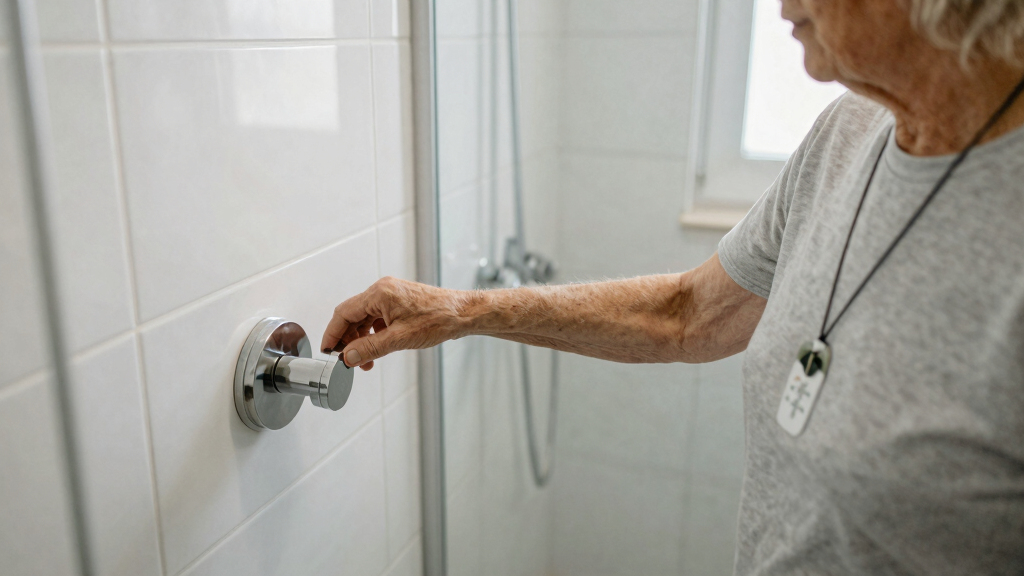
Imagine feeling confident that your safety device works even when you’re taking a warm shower. Many people worry about whether their medical alert pendant can withstand water, especially during daily routines like bathing. The truth is, not all pendants are created equal when it comes to water resistance.
Understanding the difference between water-resistant and waterproof, along with the latest technology, helps you make smart choices. This guide explains what water resistance really means, what recent advancements offer, and how you can keep your device functioning in wet environments.
Not all medical alert pendants are waterproof—check the IP rating first.
IP68-rated devices can generally handle shower water, but always follow manufacturer instructions.
Regularly inspect your device for damage or cracks that might compromise water resistance.
For peace of mind, consider upgrading to a waterproof IP68 model if you shower with your device often.
Water resistance isn’t foolproof—proper handling and maintenance are essential for longevity.
What Water Resistance Ratings Mean for Your Pendant
Water resistance ratings tell you how well a device can handle water exposure. Think of it as a splash-proof shield or a fully submerged swimmer. For showering, you want a device that can handle more than just splashes.
Devices labeled as water-resistant might survive light rain or handwashing, but they aren’t meant for full immersion. On the other hand, waterproof devices, rated with specific standards, can handle being submerged in water.
Common ratings include IP67 and IP68. IP67 can be submerged in water up to 1 meter deep for 30 minutes, providing basic protection against splashes and brief immersion. IP68, however, is designed for extended underwater exposure beyond 1 meter, often for longer periods. This distinction matters because the higher the rating, the more confidently you can wear your device in the shower without risking damage. Choosing an IP68-rated device means you accept a tradeoff: often, these devices are more expensive and may require more careful handling, but they provide peace of mind for wet environments.
As an affiliate, we earn on qualifying purchases.
How Modern Tech Makes Showering Safer for Your Pendant
Recent technological advancements have significantly improved the water resistance of medical alert pendants, transforming them from fragile accessories to robust safety devices. These innovations matter because they directly impact your daily safety and device longevity. Modern devices feature sealed casings that prevent water from seeping into sensitive components, and corrosion-resistant materials that withstand prolonged exposure to moisture. This means your pendant can handle the humid environment of a shower without risking malfunction.
Manufacturers are also incorporating advanced seal technology, such as rubber gaskets and waterproof membranes, which create a barrier against water ingress. Some models boast IP68 ratings, indicating they are designed specifically for submerged use, including showering. This technological leap reduces the anxiety around accidental water contact, allowing you to wear your device confidently during routine activities. However, keep in mind that these devices often require careful handling to maintain their water resistance over time, such as avoiding drops or impacts that could compromise seals. Recognizing these technological improvements helps you select a device that balances durability, safety, and cost.
As an affiliate, we earn on qualifying purchases.
The Real Deal: What IP Ratings Actually Mean in Daily Life
| Rating | Water Exposure | Implications for Daily Use |
|---|---|---|
| IP67 | Submersible up to 1m for 30 min | Suitable for accidental splashes, rain, handwashing; limited protection during showering |
| IP68 | Extended immersion beyond 1m, longer duration | Designed for continuous water contact, including showering and swimming; offers higher peace of mind |
Understanding these ratings helps you evaluate how well your device can withstand water in real-life scenarios. An IP67 device might suffice for occasional splashes or brief water contact, but if you plan to wear it in the shower regularly, an IP68-rated device is more reliable. Still, remember that even the highest-rated waterproof devices aren’t invincible—they need proper maintenance, cautious handling, and adherence to manufacturer guidelines. Think of an IP68 device like a waterproof phone: it’s built to handle water but isn’t invulnerable to all hazards. Recognizing these distinctions helps you make informed choices and avoid costly damage.
As an affiliate, we earn on qualifying purchases.
Practical Tips to Keep Your Pendant Working in the Shower
If your pendant isn’t rated waterproof, water damage is a real risk that can render your device useless or cause costly repairs. But if it is rated for water immersion, proper handling is still essential to ensure its longevity. Here’s why: even waterproof devices have their limits. Excessive or prolonged water exposure, impacts, or damage to seals can compromise their integrity.
- Always verify the IP rating before exposing your device to water, especially in the shower. Higher ratings generally mean safer use.
- Follow the manufacturer’s instructions carefully—using your device outside recommended conditions increases the risk of failure.
- If you’re unsure about your device’s water resistance, consider using waterproof cases or covers designed specifically for your model. These add an extra layer of protection and can extend the life of your device.
- Regularly inspect your device for cracks, scratches, or damage to its casing, which could weaken its water-resistant properties over time.
- When in doubt, upgrade to a model explicitly rated IP68 or higher if you frequently shower with your device. This investment can prevent frustration and ensure continuous protection.
For example, a device rated IP68 is designed to handle full immersion, so you can wear it in the shower confidently. However, avoid prolonged exposure or aggressive water jets, which can still damage seals or cause water ingress. Proper handling and maintenance are key to preserving your device’s water resistance and ensuring it remains a reliable safety tool.
water-resistant medical alert pendant
As an affiliate, we earn on qualifying purchases.
As an affiliate, we earn on qualifying purchases.
Common Questions About Water Resistance and Medical Alert Devices
Q1: Can I wear my medical alert pendant in the shower? It depends on the device’s water resistance rating. Devices with ratings like IP68 are designed for such use, providing peace of mind that water contact won’t damage them. Always verify the specific model’s instructions to avoid accidental damage.
Q2: What does IP67 or IP68 mean? IP67 means the device can be submerged up to 1 meter for 30 minutes, offering basic protection against splashes and brief immersion. IP68 indicates it can handle longer, deeper immersion—making it suitable for showering and swimming. The key is understanding that higher ratings typically mean better protection, but proper handling remains crucial.
Q3: Are all waterproof pendants suitable for showering? No. Only those explicitly rated IP68 or tested and confirmed waterproof by the manufacturer are safe for shower use. Lower ratings may not withstand the humidity or direct water contact in a shower environment.
Q4: What if my device isn’t waterproof but I want to wear it in the shower? Consider switching to a waterproof model or using a waterproof case designed specifically for your device. This extra layer of protection can prevent water damage during routine activities.
Q5: How do I keep my device functional after water exposure? Follow the manufacturer’s instructions carefully. If water ingress occurs, stop using the device immediately, dry it thoroughly, and seek professional inspection or repair if needed. Regularly inspecting for damage can prevent long-term issues and extend its lifespan.
Conclusion
Choosing the right medical alert pendant means understanding its water resistance. A device rated IP68 offers reliable protection during showers, but always verify the specific model’s instructions. When in doubt, opt for a waterproof device to keep your safety uninterrupted.
Think of your pendant as your steady safety companion—like a trusted friend who never lets water get in the way of protecting you. With the right knowledge, you can wear it confidently, rain or shine, splash or shower.
Back to school Picks
back to school
As an affiliate, we earn on qualifying purchases.