TL;DR
Open a free Amazon Business account
Business pricing, bulk buying and tax-exempt orders.
Create a free accountAs an affiliate, we earn on qualifying purchases.
Medical alert systems in apartments and senior communities are advancing rapidly, with features like GPS, fall detection, and smart home integration. These changes improve safety, independence, and remote monitoring, driven by tech innovation and the need for contactless solutions.
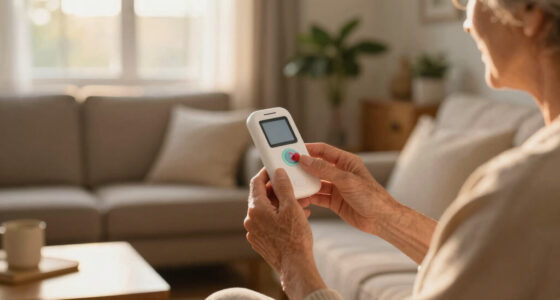
Imagine a world where a simple press of a button or a fall automatically alerts help—no frantic phone calls, no waiting. That’s the power of modern medical alert systems, especially in apartments and senior living communities. These devices are evolving fast, thanks to breakthroughs in AI, GPS, and smart home tech. They’re not just safety tools anymore—they’re lifelines that keep independence alive.
In this guide, we’ll explore what’s changing in the world of medical alerts. From new features to tech shifts, you’ll see how these systems are becoming more reliable, more connected, and more suited to today’s needs. Whether you’re a resident, a family member, or a care provider, understanding these updates helps you make smarter choices about safety and independence.
Modern medical alert systems now include GPS, fall detection, and smart home integration, making emergency responses faster and more accurate.
Technological advances like AI and 5G connectivity significantly improve reliability and responsiveness.
Senior communities are adopting these systems as part of proactive safety and health monitoring, reducing hospital visits and supporting independence.
When choosing a system, prioritize coverage, comfort, response time, and privacy protections.
Future innovations aim to make safety tools more stylish, predictive, and seamlessly integrated into daily life.
How Modern Medical Alert Systems Keep You Safer Than Ever
Today’s medical alert systems are designed to do more than just sound an alarm. They actively help prevent emergencies and respond faster when they happen. For example, a fall detection device can automatically trigger an alert—even if the user is unconscious or unable to press a button.
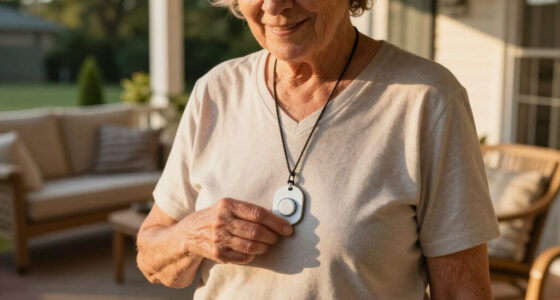
Take a scenario: A senior living alone, wearing a pendant with built-in sensors. When she slips and falls in her kitchen, the system recognizes her sudden, unusual movement and sends an immediate alert to emergency responders and her family. No manual button press needed.
Features like two-way communication, GPS tracking, and remote monitoring have become standard, turning these devices into personal safety hubs. An anonymous researcher notes that these innovations have cut emergency response times by up to 30% in some cases.
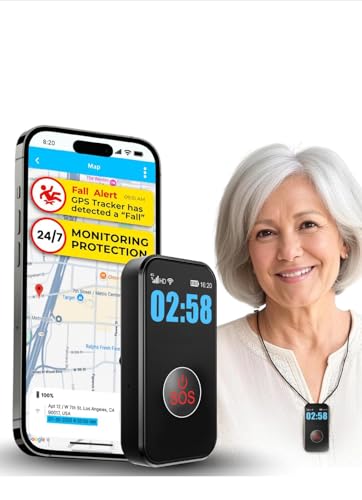
SecuLife Medical Alert Pendant for Seniors — Alerts Go Direct to Family, No Call Center | Auto Fall Detection, GPS Tracking, 2-Way Calling, No Contract, Waterproof Necklace
- Medical Alert Pendant with Fall Detection: Automatically detects falls and alerts contacts
- Easy Activation with Monthly Subscription: $20/month for unlimited alerts and tracking
- Two-Way Call Button: One-touch emergency calls with hands-free auto-answer
As an affiliate, we earn on qualifying purchases.
As an affiliate, we earn on qualifying purchases.
The Tech Changes That Make Medical Alerts Smarter and More Reliable
Recent advances have turbocharged these systems. AI and machine learning now help distinguish real falls from mere stumbles, reducing false alarms. For example, a fall detection device now uses sensors that analyze movement patterns, leading to fewer false alerts than older models. This is crucial because false alarms can cause unnecessary panic, waste emergency resources, and diminish trust in the system. The challenge is balancing sensitivity with specificity—making sure genuine emergencies are caught without overreacting to minor slips.
Smart home integration adds new layers of safety. Devices like voice assistants or door sensors connect with alert systems, creating a seamless safety network. Imagine a resident saying, ‘Help, I’ve fallen,’ and the system automatically calling emergency services while turning on the lights. This integration not only speeds up response times but also reduces the cognitive load on users, who might forget or be unable to activate their devices manually. However, it also raises considerations about privacy and data security, as more devices are collecting sensitive information.
Wireless connectivity, including LTE and 5G, provides faster, more reliable communication. That means even in areas with spotty landline coverage, help can still come through swiftly. This is especially important in rural or suburban areas where traditional landlines may be unreliable or unavailable. The tradeoff is that cellular coverage can vary, and some users might need additional devices or plans to ensure consistent connectivity. According to industry data, systems with integrated fall detection and GPS have seen response times improve by 20-50%, making assistance more immediate and effective.
SecuLife Medical Alert Pendant for Seniors — Alerts Go Direct to Family, No Call Center | Auto Fall Detection, GPS Tracking, 2-Way Calling, No Contract, Waterproof Necklace
- Medical Alert Pendant with Fall Detection: Automatically detects falls and alerts contacts
- Easy Activation with Monthly Subscription: $20/month for unlimited alerts and tracking
- Two-Way Call Button: One-touch emergency calls with hands-free auto-answer
As an affiliate, we earn on qualifying purchases.
As an affiliate, we earn on qualifying purchases.
How These Changes Are Reshaping Senior Living Communities
Senior communities now see advanced medical alert systems as a core part of their safety protocols. They’re not just offering basic call buttons; they’re integrating smart, connected systems that monitor residents’ health and environment around the clock.
For example, a community might equip residents with GPS-enabled pendants that work both inside and outside the building. When a resident steps outside for a walk, the system tracks their location, providing real-time data and quick help if needed. This not only enhances safety but also promotes independence, as residents can venture outside without constant supervision, knowing help is just a button or a signal away.
Some communities even use remote monitoring to alert staff if a resident’s vital signs cross certain thresholds, catching health issues before they become emergencies. This proactive approach helps residents maintain independence longer and reduces hospital visits. Yet, it also requires balancing the benefits of continuous monitoring with privacy concerns, ensuring residents are comfortable with the data collection and sharing involved.
According to recent surveys, over 65% of senior communities now prioritize smart safety systems, reflecting a shift toward tech-enabled independence. This trend signifies a recognition that integrating technology can lead to safer, more autonomous living environments for seniors, but it also demands investment and ongoing staff training to maximize benefits.
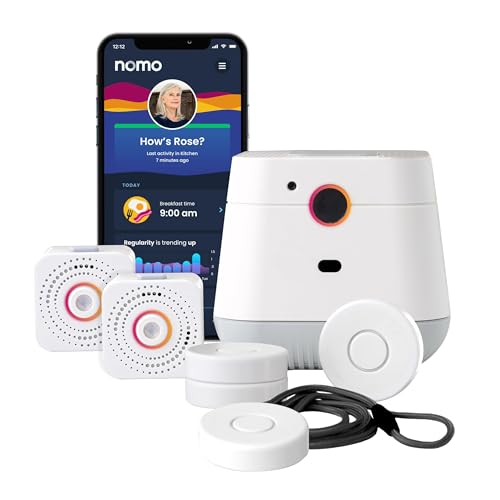
Nomo Medical Alert System with Fall Detection for Seniors at Home
- Complete In-Home Safety System: Includes Hub, Satellites, Tags, App
- Easy Plug-and-Play Setup: Quick installation without wiring or technicians
- WiFi-Based, No Landline Needed: Secure, landline-free connectivity for safety
As an affiliate, we earn on qualifying purchases.
As an affiliate, we earn on qualifying purchases.
What to Look for When Choosing a Medical Alert System Today
Picking the right system means focusing on what really matters: coverage, comfort, and reliability. First, consider whether the device works inside and outside the home—GPS-enabled models are best for outdoor use. Understanding the tradeoffs is important: a device with extensive coverage might be bulkier or more expensive, but it provides peace of mind knowing help is available anywhere.
Next, look at device design. It should be lightweight, comfortable to wear, and easy to activate. Battery life matters—long-lasting batteries mean less worry about charging. However, longer battery life might come at the expense of additional weight or size, so weighing comfort against functionality is key.
Response time and emergency connection quality are critical. Devices with two-way communication and automatic fall detection offer peace of mind, but they also require stable connectivity and regular testing to ensure they work when needed. Costs vary, but expect to pay between $20 and $50 monthly for basic plans, with extra fees for advanced features. Choosing a provider with transparent pricing and responsive customer service can make a significant difference in ongoing satisfaction and safety.
Some tips:
- Test the system regularly to ensure it works and the connection remains strong.
- Choose providers with quick, local emergency response teams to reduce response times.
- Check privacy policies—your data should be protected, especially if integrating with other smart home devices or health data.
contactless medical alert system for seniors
As an affiliate, we earn on qualifying purchases.
As an affiliate, we earn on qualifying purchases.
Future Trends: What’s Next for Medical Alert Tech?
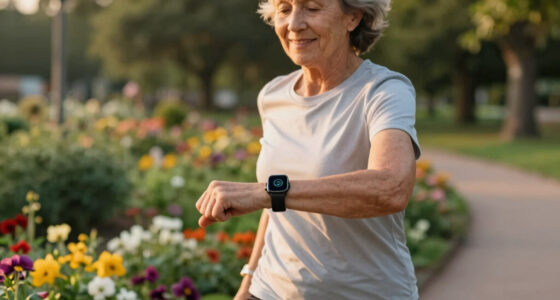
The future of medical alert systems is about making safety seamless and invisible. Wearables will become more like everyday accessories—think stylish smartwatches that monitor health and call for help at a tap. This shift towards discreet and fashionable devices encourages more consistent use, which is crucial for safety.
AI will get better at predicting health issues before they happen, based on patterns in vital signs or activity levels. Imagine your system alerting you to dehydration signs or early signs of illness, long before symptoms emerge. This proactive approach could significantly reduce emergency incidents and hospitalizations, but it also depends on accurate data interpretation and user acceptance.
Integration with smart homes will deepen, creating environments that automatically adjust lighting, temperature, or alert caregivers without any manual input. This interconnectedness enhances safety but also raises questions about data security and user control. The challenge will be balancing innovation with privacy and ensuring technology remains accessible and user-friendly.
According to industry insiders, these innovations could reduce emergency incidents by another 30% over the next decade, making independence safer than ever. As these technologies mature, they will likely become standard features, transforming senior living into safer, smarter, and more autonomous environments.
Frequently Asked Questions
How do modern medical alert systems work in apartments and senior communities?
They typically involve wearable devices like pendants or wristbands that connect via cellular or Wi-Fi networks. When activated—by button press or automatically in a fall—they alert emergency responders or designated contacts, often with two-way communication and GPS location.
Are these systems covered by insurance or Medicare?
Most basic systems are not covered by Medicare, but some private insurance plans or long-term care policies might reimburse costs. It’s best to check with your provider before purchasing.
What features should I prioritize when choosing a medical alert system?
Focus on coverage (inside/outside), device comfort, long-lasting batteries, quick response, and privacy policies. Features like GPS, fall detection, and remote monitoring add significant safety value.
How have recent tech advances improved these systems?
They now offer better accuracy, fewer false alarms, faster communication via 5G, and smart home integration. These improvements mean quicker, more reliable help when you need it most.
Can residents use these systems outside their apartments or communities?
Yes, especially GPS-enabled mobile systems. They allow residents to summon help anywhere within network coverage, whether outside the building or on a walk.
Conclusion
Medical alert tech is no longer just a button to press in an emergency. It’s a smart, connected safety net that adapts to real-world needs. As these systems evolve, they’ll keep seniors safer, more independent, and better connected than ever before.
Think of these devices as modern guardians—always watching, ready to act. Choosing the right system today sets the stage for a safer, more confident tomorrow.
Flea & tick season Picks
flea and tick prevention
As an affiliate, we earn on qualifying purchases.