
TL;DR
Open a free Amazon Business account
Business pricing, bulk buying and tax-exempt orders.
Create a free accountAs an affiliate, we earn on qualifying purchases.
Voice dialing on simple phones lets you call contacts by speaking their names, improving convenience and safety. While less advanced than smartphones, recent updates boost accuracy and usability. Knowing setup, limitations, and safety tips helps you get the most from this feature.
Imagine a world where you can simply say a contact’s name, and your phone dials it automatically. That’s the promise of voice dialing—an often overlooked feature on basic phones. It’s not just for smartphones anymore. Even simple phones now incorporate voice commands, making calls easier and safer, especially while on the go.
If you’ve ever struggled with tiny buttons or wanted to keep your focus on the road, voice dialing can be a game-changer. In this guide, you’ll discover how it works on simple phones, what to expect in terms of accuracy, setup tips, and safety considerations. Let’s make your next call just a word away.
Most simple phones now include offline voice recognition, allowing hands-free calls without internet.
Proper setup involves recording voice tags and testing in different environments for better accuracy.
Ambient noise can affect voice recognition, so speak clearly and in quiet places when possible.
Voice dialing isn’t perfect—expect some errors, especially with complex names or accents.
Always prioritize safety: use voice commands when parked or stopped, and verify contacts before calling.
Simple phone field guide / voice access
Make the call by speaking a name.
Voice dialing lets a simple phone match a spoken name to a stored contact and start a call. It can make tiny keypads less frustrating, improve accessibility, and keep hands free—but clear setup, realistic expectations, and safe use matter.
Many models use a dedicated voice-command key.
Say a stored name or a recorded voice tag.
Recognition varies by device and conditions.
Clear speech and quiet surroundings improve matches.
How it works
Simple technology, useful results
The phone listens after activation, analyzes the spoken phrase, and compares it with names or voice tags in the contact list. Offline systems process this locally; some models use cloud recognition for a broader vocabulary.
Activate the microphone
Press the voice-command key or select voice dialing from the menu. The phone signals when it is ready for a command.
Speak the stored name
Say a short phrase such as “Call Mom.” The device compares the sound with contact names or recorded tags.
Verify before dialing
The phone selects the closest match. Check the displayed or spoken contact before allowing the call to begin.
Five-step setup
From menu to first call
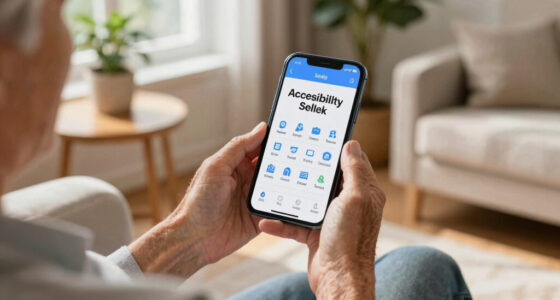
Menu names differ by model. Look under Settings, Phone Setup, Accessibility, or Voice Commands, and consult the device manual when necessary.
Find
Locate the voice dialing or voice command option.
Enable
Turn on the feature and follow the phone’s prompts.
Assign
Select frequent contacts and record short voice tags if supported.
Test
Press the voice key, speak clearly, and verify the selected contact.
Refine
Re-record weak tags and test in several realistic environments.
Short, distinct phrases are easier to recognize. If “John Smith” and “Jon Smythe” cause confusion, record clearly differentiated tags rather than relying on similar contact names.
Recognition reality
Accuracy changes with the environment
Newer simple phones may recognize commands in quiet settings about 80–90% of the time. Across ordinary conditions, a more realistic expectation is roughly 70–85%. These are indicative ranges, not guarantees for every model.
Noise level
Traffic, television, wind, and crowds compete with your voice.
Pronunciation
Steady pacing and consistent pronunciation improve matching.
Voice tags
Recorded tags can improve results for frequently called contacts.
Device generation
Newer software and microphones generally perform more reliably.
Feature comparison
Offline versus cloud recognition
Offline recognition is common on basic phones because it works without data. Cloud recognition can be more flexible, but it requires connectivity and is less consistently available on simple devices.
| Feature | Offline recognition | Cloud recognition | What to expect on basic phones |
|---|---|---|---|
| Internet required | ✓No | ✗Yes | ✓Offline is widely practical |
| Quiet-setting accuracy | ✓Good | ✓Often very good | ~Varies by model |
| Noisy-setting performance | ~More limited | ✓Often stronger | ✗Noise still causes errors |
| Language range | ~Usually limited | ✓Potentially broader | ~Check device specifications |
| Setup | ✓Quick; tags may help | ~May need an account or data | ✓Usually menu-driven |
| Privacy and latency | ✓Processed locally | ~Sent to a remote service | ✓Offline avoids network lag |
Legend: ✓ strong fit or supported / ✗ limitation or not required / ~ depends on device, network, or conditions
Know the limits
Helpful tool, not a perfect assistant
Simple-phone recognition is designed for short calling commands. Treat it as a convenient shortcut rather than a fully conversational voice assistant.
Limited vocabulary
Many devices recognize only stored contacts, numbers, or a small set of fixed commands.
Similar names
Contacts with closely related names can produce ambiguous or incorrect matches.
Language constraints
Support for multiple languages, accents, and dialects differs substantially between models.
Manual maintenance
Voice tags may need to be re-recorded after contact changes or when recognition becomes unreliable.
Safety first
Hands-free does not mean attention-free
Voice dialing can reduce keypad interaction, but a call can still distract you. When driving, activate commands while parked or stopped and follow local laws.
Park or safely stop before operating the phone or correcting an error.
A hand, thick case, wind, or fabric can distort the spoken command.
Check the screen or spoken confirmation before the call connects.
If the device chooses the wrong person, stop and retry only when safe.
Traceability chain
One phrase, five connected actions
How Voice Dialing Works on Basic Phones — Simple but Effective
Voice dialing on basic phones uses built-in voice recognition technology to identify your spoken commands and dial contacts accordingly. Unlike smartphones, these phones usually rely on offline voice recognition, meaning no internet is needed. You speak, and the phone matches what you say to your contact list.
For example, press a dedicated voice button, say “Call Mom,” and your phone finds that contact in seconds. The recognition process depends on clear pronunciation and minimal background noise. Some phones also let you record voice tags for contacts, making your commands more accurate over time.
This feature is especially handy when your hands are full or you’re driving, helping you stay focused and safe. Though less sophisticated than smartphone voice assistants, basic phones deliver surprisingly reliable voice dialing, especially in quiet environments.
As an affiliate, we earn on qualifying purchases.
Setting Up Voice Dialing: Step-by-Step for Your Simple Phone
- Locate the voice command or voice dialing option in your phone’s menu. It’s often under ‘Settings’ or ‘Phone Setup.’
- Activate the feature by following prompts—this might include recording your voice for each contact or creating voice tags.
- Choose the contacts you want to assign voice commands to. Many phones let you record a simple phrase like “Call Dad” for quick access.
- Test your setup by pressing the voice button and speaking the command. Adjust voice tags if recognition isn’t perfect.
- Practice using voice dialing in different environments to see how ambient noise affects recognition. Make tweaks as needed.
For example, a senior user might record “Call Grandma” for her contact. With a quick press of the dedicated button, they say the phrase, and their phone dials automatically. It’s straightforward once you get the hang of the setup process.
offline voice recognition basic phone
As an affiliate, we earn on qualifying purchases.
As an affiliate, we earn on qualifying purchases.
How Accurate Is Voice Recognition on Basic Phones? Expect Real Results
Voice recognition accuracy on simple phones varies depending on the model, environment, and how clearly you speak. Newer phones with updated software tend to perform better, recognizing your voice in noiseless settings with about 80-90% accuracy. But in noisy places—like a busy street or a car with windows down—mistakes can happen.
For example, if you say “Call John” while the TV blares or the wind rushes past your window, the phone might confuse your command with another contact or ignore it altogether.
Some phones use offline voice recognition, which means your device processes commands locally, avoiding lag and privacy issues. However, this can limit recognition capabilities compared to cloud-based systems. Overall, expect around 70-85% accuracy depending on conditions.
To improve results, speak slowly, clearly, and in a quiet environment when possible. Recording voice tags for your most-used contacts can also boost recognition reliability.
Understanding the accuracy limitations is crucial because it influences how reliably you can depend on voice dialing in real-world situations. If recognition is inconsistent, it might lead to frustration or accidental calls, so balancing expectations with the technology’s capabilities helps you avoid miscommunications and ensures safer, more effective use.
As an affiliate, we earn on qualifying purchases.
Limitations of Voice Dialing on Basic Phones You Should Know
While voice dialing is handy, it’s not perfect. Many simple phones support only a limited vocabulary—usually just a handful of commands or contact names. So, if you change a contact’s name or accentuate pronunciation, recognition may falter.
Ambient noise, like traffic or a crowded room, can cause misfires or errors. Some phones also require you to pre-record voice tags, which can be a hassle if you have many contacts or forget to update them.
Another limitation is that not all basic phones support multiple languages or dialects, making it less effective for diverse users. Plus, some devices depend on internal recognition, which might be less sophisticated than cloud systems.
Finally, voice dialing is best suited for simple commands. Complex instructions, like calling a contact with a long name or multiple steps, aren’t typically supported.
Recognizing these limitations is essential because it helps set realistic expectations. Relying solely on voice commands in noisy environments or with complex contacts might lead to errors. This understanding encourages users to use voice dialing as a helpful tool rather than a foolproof solution, promoting safer and more effective usage.
voice command feature basic mobile phone
As an affiliate, we earn on qualifying purchases.
As an affiliate, we earn on qualifying purchases.
Safety Tips: Using Voice Dialing Without Distraction
Voice dialing can make calls safer, especially when driving. However, it’s essential to use it responsibly. Always activate voice commands when your vehicle is stopped or parked to avoid distractions.
Speak in a clear, steady voice and avoid background noise for best recognition. Keep your phone’s microphone unobstructed—don’t cover it with your hand or case.
Remember: even the best voice recognition isn’t foolproof. Double-check the contact before confirming a call. If unsure, it’s safer to pull over or stop before dialing, even with voice commands.
For example, a delivery driver might use voice dialing to call a customer while parked. They speak their command, verify the contact, then proceed. Always prioritize safety over convenience.
Understanding the importance of safety when using voice dialing is vital. Mistakes or misrecognitions can lead to accidental calls or distractions. Therefore, always verify the contact before dialing and avoid using voice commands while actively driving to prevent accidents. This cautious approach ensures that the convenience of voice dialing does not compromise safety.
Comparison Table: Voice Dialing Features on Basic Phones
| Feature | Offline Voice Recognition | Cloud-Based Recognition | Languages Supported | Ease of Setup |
|---|---|---|---|---|
| Supported on Basic Phones? | Yes, many models | Some models | Limited in basic phones, more in smartphones | Simple, usually quick |
| Recognition Accuracy | Good in quiet settings | Better, even in noisy environments | Limited in basic phones | Varies by device |
| Internet Needed? | No | Yes | (for cloud services)Depends on model | Not required |
Conclusion
Voice dialing on simple phones can genuinely simplify your life—no more fumbling for tiny buttons or memorizing numbers. With a quick setup and a clear voice, you can stay connected hands-free, even on the go.
Remember, while it’s convenient, always double-check the contact before calling and stay safe, especially when driving. A simple voice command can turn your basic phone into a surprisingly smart assistant—making your everyday calls easier and safer.
Fall Picks
fall essentials
As an affiliate, we earn on qualifying purchases.