
TL;DR
Older flip phones often stop working because carriers are shutting down 2G and 3G networks. To keep using your device, check if it supports newer networks like 4G LTE and VoLTE, or consider upgrading.
Imagine pulling out that old flip phone you loved—only to find it silent, dead, and useless. It’s a frustrating moment, but behind it lies a clear reason: network shutdowns. As carriers worldwide shift to faster, more secure networks, older technology gets pushed out. This guide uncovers why your vintage flip phone might have suddenly stopped working—and what you can do about it.
Knowing how these changes happen helps you avoid surprises. Whether you’re a nostalgic user or just curious, understanding the shift from 2G and 3G to 4G and 5G can save you time and stress. Let’s dive into why those old phones hit a dead end and how to keep your connection alive.
Most older flip phones rely on 2G or 3G networks, which are being shut down worldwide.
Support for 4G LTE and VoLTE is essential for your device to stay connected after network shutdowns.
Check your device specs and carrier timelines early to plan for upgrades or switches.
Sticking with unsupported phones risks losing service and compromising security.
Upgrading your device before the shutdown date ensures uninterrupted connectivity and peace of mind.
What’s really happening when your flip phone stops working?
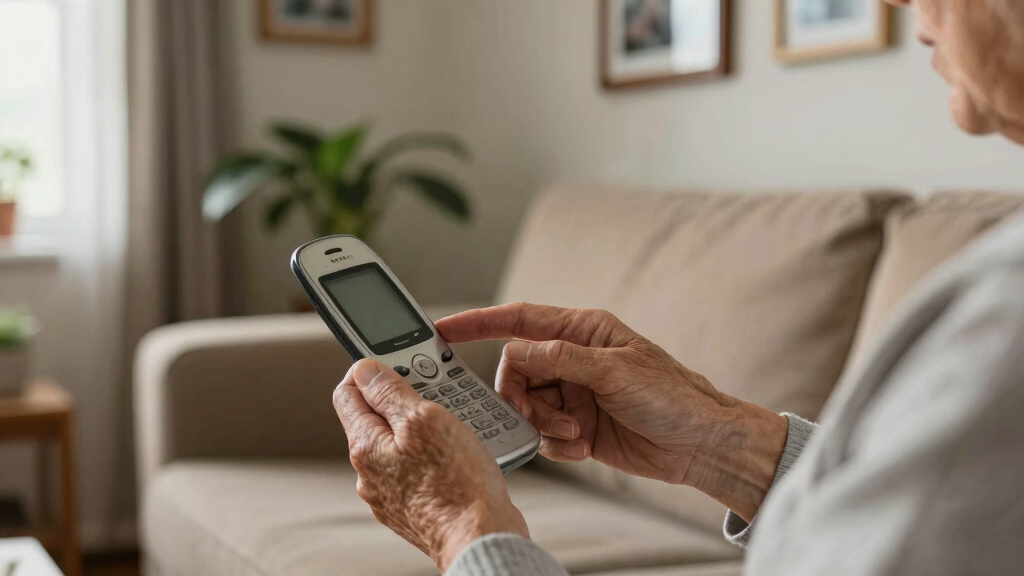
When your flip phone suddenly stops working, it’s often because the network it depends on has been turned off. Most older phones rely on 2G or 3G networks—like the ancient, creaky bridges that can’t handle modern traffic anymore. Carriers are shutting these down to make room for faster, more secure networks.
For example, in 2022, AT&T and T-Mobile in the U.S. announced plans to retire their 3G networks by 2022 and 2025. Once the shutdown hits, phones that only support these older networks lose their connection—no calls, no texts, no data.
Think of it like a city closing down an old trolley line. If your phone only knows that route, it’s stranded once the tracks are gone.
Why does this matter? Because if your device isn’t compatible with newer standards like 4G LTE or VoLTE, it becomes useless once the networks supporting it are decommissioned. This isn’t just about inconvenience; it’s about losing the ability to communicate in emergencies, access important information, or stay connected to loved ones. The tradeoff for carriers is clear—they gain a more secure, efficient network, but at the expense of older devices that can’t keep up. For consumers, this means planning ahead or facing the hard reality of device obsolescence.
![Tracfone, TCL FLIP 3, 16GB, Flip Phone, Stone Gray, 5MP Video Capable Camera, Locked [Sim Card Included - Separate Purchase Not Necessary]](https://m.media-amazon.com/images/I/31g1x-G-zdL._SL500_.jpg)
Tracfone, TCL FLIP 3, 16GB, Flip Phone, Stone Gray, 5MP Video Capable Camera, Locked [Sim Card Included – Separate Purchase Not Necessary]
Enjoy flip-phone for modern times with intuitive dual displays
As an affiliate, we earn on qualifying purchases.
As an affiliate, we earn on qualifying purchases.
Why carriers are shutting down 2G and 3G networks
Carriers aren’t shutting down these networks out of boredom. They want to improve security, cut costs, and free up spectrum for faster 4G and 5G services. Older networks are less efficient and more vulnerable to hacking. Plus, maintaining multiple aging systems drains resources that could be better spent on new tech.
According to an anonymous researcher, over 90% of the world’s 2G networks are scheduled for shutdown by 2025. That’s a huge shift, affecting millions of devices—especially simple phones that depend solely on those networks.
It’s like replacing a dusty old radio with a sleek new stereo. The old stuff just can’t keep up with today’s demands. The implications are significant: users with outdated phones face losing connectivity unless they upgrade, and carriers can focus their investments on more advanced, secure, and faster networks. The tradeoff is that this accelerates the obsolescence of legacy devices, pushing consumers toward newer technology. For many users, this means weighing the cost of upgrading versus the risk of losing service entirely, especially if they rely on their flip phones for basic communication in areas where newer technology isn’t yet fully available.
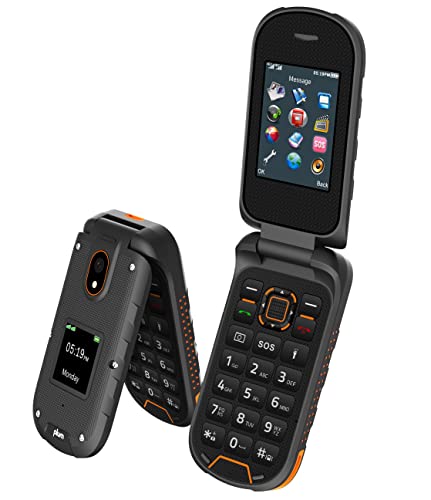
Plum RAM Plus 4G Volte Rugged Flip Phone, Shock Resistent, T-Mobile – Orange
Compatible with T-Mobile Only
As an affiliate, we earn on qualifying purchases.
As an affiliate, we earn on qualifying purchases.
How to tell if your flip phone will work after the network shutdown
To find out if your flip phone will still work, check its specifications. Look for support for 4G LTE and VoLTE—these are the current standards for voice and data. Many older phones only support 2G or 3G, which are being phased out.
Here’s a quick checklist:
- Is your phone compatible with 4G LTE?
- Does it support VoLTE (Voice over LTE)?
- Check your device model online for network support.
- Consult your carrier’s website or customer service.
Understanding these features is crucial because a device supporting only older networks will become unusable once those networks are shut down. If your device isn’t compatible with newer standards, you’ll need to consider upgrading. This is not just about compatibility; it’s about future-proofing your communication. Devices supporting VoLTE and 4G LTE can handle current network security measures and deliver clearer voice calls and faster data, which are essential for staying connected in today’s digital world.

Rugged Flip Phone Unlocked, 4G LTE 2.8'' Touchscreen Smart Cell Phone Android 11, 100dB Speaker GPS MIL-STD IP68 Waterproof Dust-proof Drop-proof, T-Mobile AT&T Compatible, Global Version (Black)
【Durable Rugged Phone】This rugged phone features MIL-STD IP68 waterproof dust-proof drop-proof, and its display is covered with Corning…
As an affiliate, we earn on qualifying purchases.
As an affiliate, we earn on qualifying purchases.
Simple steps to keep your old flip phone alive or upgrade smoothly
- Check your phone’s manual or online specs for network support.
- Visit your carrier’s site to see upcoming shutdown dates.
- If compatible, keep using your current device until the last moment.
- If not, explore affordable 4G LTE flip phones—many now support VoLTE and are designed for simplicity.
- Switch to a provider that still supports your device, if possible.
For example, a user in rural Kansas kept their flip phone active by switching to a carrier still supporting 3G, but eventually, even that network will fade. This highlights the importance of proactive planning, as waiting too long might leave you without service. Upgrading early ensures you won’t be caught off guard when the shutdown finally occurs, and you’ll have access to the latest security features and better call quality. Weigh the costs and benefits of upgrading now versus waiting—early action might save you from future frustration and disconnection.
Tracfone, TCL FLIP 3, 16GB, Flip Phone, Stone Gray, 5MP Video Capable Camera, Locked [Sim Card Included – Separate Purchase Not Necessary]
Enjoy flip-phone for modern times with intuitive dual displays
As an affiliate, we earn on qualifying purchases.
As an affiliate, we earn on qualifying purchases.
Compare your options: Keep old, upgrade, or switch providers
| Option | Pros | Cons |
|---|---|---|
| Keep old flip phone | Low cost, simple interface | Likely to stop working soon, limited features |
| Upgrade to a new flip phone | Supports current networks, longer lifespan | Initial cost, learning new device |
| Switch providers | Possibly better coverage or plans | Compatibility issues, switching hassle |
Choosing the right option depends on your needs and circumstances. While keeping an old device may seem cost-effective now, it risks losing service as networks shut down, potentially leaving you disconnected during emergencies. Upgrading to a newer device ensures compatibility with current standards, but involves initial costs and a learning curve. Switching providers might offer better coverage or plans, but may also involve technical compatibility checks and administrative hassle. Weigh these tradeoffs carefully to make an informed decision that guarantees your connectivity remains intact and reliable.
Risks of sticking with outdated phones
Using an unsupported flip phone can lead to losing service unexpectedly. It also leaves you vulnerable to security risks, as old networks and devices aren’t patched or protected. Plus, in emergencies, an incompatible device might fail to connect when you need it most.
Imagine trying to call 911 from a device that can’t connect to the network anymore. That’s a real risk if you ignore upcoming shutdowns. Beyond the immediate loss of service, outdated phones may also be more susceptible to hacking or data breaches if they lack current security protocols embedded in newer networks. The inability to access emergency services reliably could pose serious safety concerns, especially in rural or underserved areas where alternative communication options are limited. In essence, holding onto unsupported phones is a gamble with your safety and privacy, as the risks grow higher with each network transition.
When will these network shutdowns happen? Here’s the timeline
Major carriers are rolling out shutdown plans between 2022 and 2025. For instance:
- AT&T plans to end 3G by the end of 2022.
- Verizon aims to shut down 3G by the end of 2022.
- Many European countries are doing the same, with some regions already complete.
Check your carrier’s website for specific dates. Staying informed helps you plan ahead and avoid losing service unexpectedly. Being aware of these timelines allows you to plan your upgrade or switch well before the shutdown occurs, preventing disruptions. Ignoring these dates can leave you with a device that no longer connects, forcing urgent purchases or changes that could be costly or inconvenient. Proactive planning ensures your communication remains uninterrupted, especially in critical situations where reliable connectivity is essential.
Frequently Asked Questions
Why did my flip phone suddenly stop working?
Your phone likely depends on a network that’s been shut down by your carrier. When 2G or 3G services end, unsupported devices lose their connection entirely.Can I still use my old flip phone after the shutdown?
Only if it supports current standards like 4G LTE and VoLTE. Many older phones won’t work once those networks are gone, so check your device specs first.How do I know if my flip phone will work after the network shutdown?
Look up your phone’s model online to see which networks it supports. Contact your carrier for the latest info on upcoming shutdown dates and compatibility.What should I do if my flip phone stops working?
Consider upgrading to a newer flip phone supporting 4G LTE and VoLTE, or switch to a carrier still supporting your device. Planning ahead makes the switch smoother.Are there security risks in sticking with my old flip phone?
Yes. Old networks are less secure, and unsupported phones may be vulnerable to hacking or data breaches. Plus, they can’t access emergency services reliably if incompatible.Conclusion
As carriers turn off the old roads, your flip phone’s connection can vanish in a flash. The best move? Check your device’s support for newer networks and plan an upgrade if needed. Staying ahead of these changes keeps you connected—simple as that.
Don’t wait until your phone’s silent. Think of it as a gentle nudge to keep your lines open and your calls ringing.