TL;DR
Listen free for 30 days with Audible
Thousands of audiobooks and originals — cancel anytime.
Start your free trialAs an affiliate, we earn on qualifying purchases.
GPS trackers use satellite signals and cellular networks to monitor seniors’ locations in real time. They boost safety, especially for those with cognitive challenges, and are most helpful when combined with a safety plan.
Imagine this: a morning in a quiet neighborhood, a senior steps outside, and suddenly, they’re lost. It’s a heart-stopping moment for families worried about wandering. GPS trackers are changing that story. These tiny devices turn your phone into a safety net, providing real-time location updates and peace of mind.
Whether you’re caring for a loved one with memory issues or seeking a way to stay connected, understanding how these gadgets work can help you make smarter choices. This isn’t about replacing supervision — it’s about adding an extra layer of security and independence.
GPS trackers can significantly reduce wandering risks among seniors with memory issues.
Choose devices with long battery life, simple interfaces, and reliable cellular coverage.
Use geofencing and alerts to get proactive notifications when your loved one leaves a safe zone.
Regular charging and privacy safeguards are critical for effective, respectful use.
GPS trackers are a helpful supplement, but should be part of a broader safety plan.
GPS Trackers for Seniors: How They Work and When They Help
Small location devices can turn a caregiver’s phone into a practical safety net. They combine satellite positioning with cellular communication to support faster responses, greater independence, and reassurance—without replacing supervision.
Potential reduction in wandering-related incidents among seniors with dementia when trackers are used correctly.
Recommended minimum battery life between charges for dependable daily use.
Tracking works best inside a broader safety plan with check-ins and environmental safeguards.
From satellite signal to safety alert
A tracker calculates its position, sends that location through a mobile network, and displays it for an authorized caregiver. Updates may arrive every few seconds, creating a near-live view of movement.
Satellites locate
Signals from multiple satellites help the device calculate its geographic position.
Device processes
The tracker converts those signals into coordinates and records the latest movement.
Network transmits
Cellular service carries encrypted location data to a secure cloud platform.
Caregiver responds
An app or website shows the location, route history, alerts, and next actions.
GPS signals can weaken inside buildings. Devices that combine several signal types can provide more dependable indoor and outdoor positioning.
Features that determine real-world usefulness
The best specification sheet is meaningless if the tracker stays in a drawer. Reliability depends on matching the device to the senior’s routine, comfort, abilities, and local coverage.
Battery life
Aim for at least 24 hours. Low-battery alerts and an easy charging dock help prevent gaps during critical moments.
Size & comfort
Light, discreet designs encourage consistent use and reduce the chance that a senior removes the device.
Ease of use
Large controls, clear instructions, and a one-touch help button matter for limited dexterity, vision, or memory.
Layered connectivity
Strong cellular service enables live updates. Wi-Fi and Bluetooth can fill accuracy gaps in homes, malls, and dense urban settings.
Privacy & security
Look for encryption, controlled caregiver access, transparent data policies, and a clear process for deleting location history.
Match the tracker to the person
There is no universally best form factor. Consistent wear, simple operation, and dependable coverage are more important than the longest feature list.
| Format | Discreet | Simple to use | Emergency button | Best fit |
|---|---|---|---|---|
| Pendant | ✓ High | ✓ High | ✓ Common | One-touch help and daily wear |
| Watch / bracelet | ✓ High | ~ Varies | ✓ Often | Active seniors used to watches |
| Shoe / jewelry | ✓ Very high | ✓ Passive | ✗ Rare | Discreet, low-interaction tracking |
| Smartphone app | ✓ Familiar | ~ Tech dependent | ~ App based | Confident smartphone users |
The strongest use cases are time-sensitive
Trackers make the greatest difference when quick location information changes the response: wandering, confusion in unfamiliar places, or an emergency in which the senior cannot clearly describe where they are.
GPS trackers may reduce wandering-related incidents among seniors with dementia by up to 70% when used correctly and supported by an active safety plan.
Immediate location data can shorten searches when a person with dementia leaves familiar surroundings.
Geofence alerts notify caregivers when a wearer crosses a defined boundary, enabling earlier action.
Live mapping adds reassurance in parks, shopping areas, airports, and unfamiliar destinations.
One-touch calling can connect the senior to family or a response service after a fall or confusion.
Safety gains come with responsibilities
A tracker only protects when it is charged, worn, connected, and monitored. Families should discuss consent and dignity wherever possible and limit access to trusted people.
What it adds
- Real-time location information and faster intervention
- Earlier warnings through customizable geofences
- More confidence during independent routines and outings
- Route history that may clarify recurring wandering patterns
- Optional emergency buttons, microphones, and speakers
What to manage
- Regular charging, updates, testing, and maintenance
- Device cost plus possible monthly cellular fees
- Weak GPS indoors and limited cellular service in rural areas
- Privacy, informed consent, and access control
- False confidence if the tracker replaces active supervision
Reduce known wandering triggers and hazards.
Build device checks into the daily routine.
Use alerts for meaningful boundary crossings.
Call, travel, or notify emergency support.
Adjust routines, contacts, and alert settings.
Independence works best with a dependable safety layer.
Choose for the senior, not the specification sheet. Prioritize comfort, 24-hour-or-better battery life, simple controls, strong local coverage, and responsible data protection. Then connect the tracker to a clear plan for who receives alerts and what happens next.
What Exactly Are GPS Trackers for Seniors?
GPS trackers for seniors are small devices that use satellite signals to pinpoint a person’s location. They transmit this data via cellular networks, like 4G or LTE, to a secure app or website. Think of it as a digital breadcrumb trail, showing where your loved one has been and where they are now.
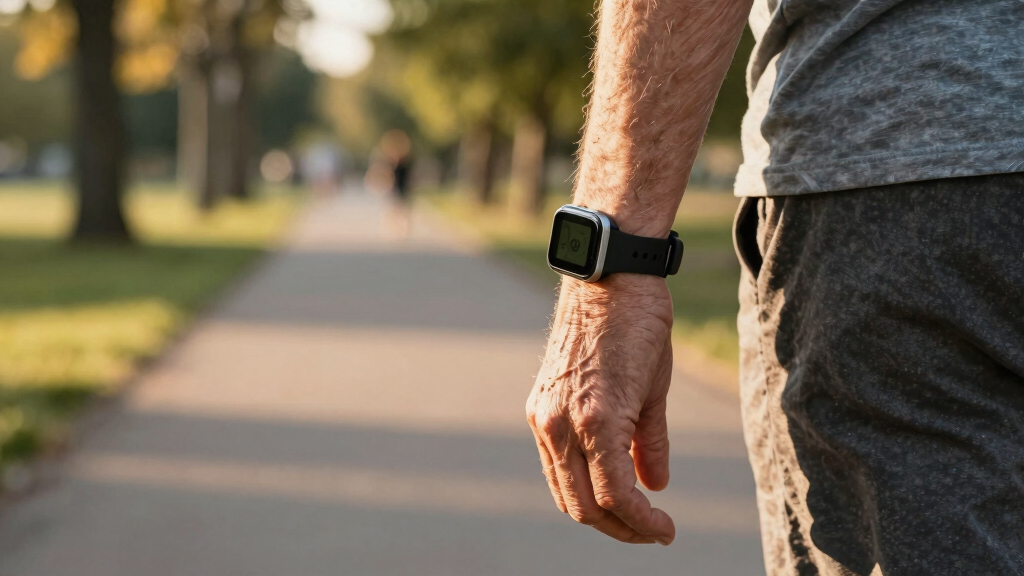
Some are worn around the neck or wrist, others are embedded in jewelry or shoes. The key thing? They’re designed to be simple, reliable, and discreet — because comfort and ease of use matter, especially for seniors with limited tech experience.
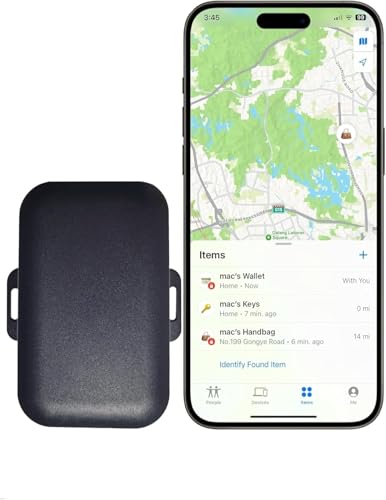
10 Years Long Life Battery GPS Tracker Item Finder, find car in Parking lot, no Subscription for Vehicles car ebike Truck Luggage School Bag Asset(Android)
- Long-lasting battery life: Up to 10 years of power
- Compatible with iPhone and Android: Works across both platforms
- Versatile item tracking: Suitable for vehicles, luggage, and more
As an affiliate, we earn on qualifying purchases.
As an affiliate, we earn on qualifying purchases.
How Do GPS Trackers Actually Work? The Simple Breakdown
Here’s the core: the device gets signals from multiple satellites orbiting Earth, calculating its exact position. This process, called triangulation, is highly accurate but depends on clear signals. Once the device determines its location, it sends this data through cellular towers—much like your phone uses—to reach a cloud server. From there, authorized people can view the real-time location via an app or a website.
This process is crucial because it allows caregivers to see where their loved one is at any moment, especially if they’ve wandered off or become disoriented. The system updates frequently—every few seconds—providing a live map of movements, which can be vital in emergencies. Some advanced models incorporate Wi-Fi and Bluetooth signals to improve indoor accuracy, as GPS signals alone often weaken inside buildings. This integration ensures you’re not left in the dark when indoors or in areas with poor cellular reception, balancing the tradeoff between precision and coverage.
Understanding this process helps caregivers appreciate the technology’s limitations and strengths, enabling smarter use and quicker responses when needed.

Spytec Atlas Mini GPS Tracker for Kids, Vehicles, Cars, Seniors | Smallest Portable Real Time GPS Tracking Device | Geofencing | Up to 34 Day Battery Life | Starter Kit with 1st Month Included
- Includes First Month of Service: Start tracking immediately with included service
- Affordable Monthly Plans: Plans from $14.95/month, no contracts
- Customizable Update Speed: Adjust tracking frequency for accuracy or battery
As an affiliate, we earn on qualifying purchases.
As an affiliate, we earn on qualifying purchases.
The Top 5 Features That Make GPS Trackers Useful
- Battery Life: Longer batteries mean fewer charge breaks, which is vital for seniors who might forget or struggle with charging. A device that lasts at least 24 hours reduces the risk of losing tracking capabilities during critical moments and minimizes daily hassle.
- Size & Comfort: Small, lightweight devices that don’t feel bulky or stigmatizing encourage consistent wear. If a device is uncomfortable or conspicuous, seniors might take it off, defeating its purpose and risking safety.
- Ease of Use: One-touch emergency buttons or simple interfaces empower seniors to seek help quickly, especially during distress or falls. Intuitive design reduces frustration and errors, ensuring the device is a reliable safety tool rather than a source of confusion.
- Connectivity: Cellular coverage is the backbone of real-time updates. Devices that incorporate Wi-Fi and Bluetooth can enhance indoor accuracy, filling gaps where GPS signals are weak. This layered connectivity offers a more dependable location service, especially in complex environments like shopping malls or urban areas.
- Privacy & Security: Encrypted data and transparent policies protect user info from unauthorized access. This not only safeguards personal privacy but also builds trust, making seniors more comfortable with wearing and sharing their location data.
For example, a pendant with a single button that calls for help instantly can be a lifesaver during a fall or confusion. Knowing why these features matter helps families choose devices that truly support independence and safety, rather than just ticking boxes.

GPS Tracker for Vehicles Cars Motorcycles No Subscription-TG22
- No Subscription or Monthly Fees: Works without SIM card or subscription
- Compact Magnetic Design: Small, lightweight, with strong magnet for easy placement
- Real-Time GPS Tracking: Provides live location updates via free app
As an affiliate, we earn on qualifying purchases.
As an affiliate, we earn on qualifying purchases.
When Do GPS Trackers Truly Make a Difference?
GPS trackers shine when seniors are at risk of wandering—like those with Alzheimer’s or dementia. They’re a safety net, offering immediate location info if someone drifts away from familiar surroundings. The real importance lies in their ability to quickly locate a lost loved one, reducing the time spent searching and increasing the chances of safe recovery.
Imagine a family at a park. The senior with a tracker wanders a little too far, possibly confused or distracted. With the device, a caregiver can see her current location on a map, assess whether she’s in a safe area, and decide on the next step—whether to call her, alert authorities, or go directly to her. This rapid response can prevent accidents, reduce anxiety, and save lives.
They’re also invaluable during outings or vacations, where unfamiliar environments increase the risk of getting lost. The ability to monitor a loved one’s location in real-time provides peace of mind and enables swift action if needed. However, it’s essential to remember: trackers are a supplement, not a replacement for supervision. They should be integrated into a broader safety strategy that includes supervision, routine check-ins, and environmental modifications to reduce wandering risks.

Fajocru Fall Detection Smart Watch for Seniors with GPS Tracking, SOS Alert & HD Video Call, Waterproof Fitness Tracker for Dementia/Alzheimer’s, 4G Safety (Red)
- Fall Detection with Automatic SOS: Detects falls and calls emergency automatically
- Real-Time GPS & Geo-Fencing: Tracks location and sets safe zones
- HD Video & Voice Calls: Supports 4G video and crystal-clear voice calls
As an affiliate, we earn on qualifying purchases.
As an affiliate, we earn on qualifying purchases.
Choosing the Right GPS Tracker for Your Senior — What to Watch For
Pick a device that matches your loved one’s lifestyle and needs. Here’s a quick checklist:
- Battery life — aim for at least 24 hours of use between charges, so you don’t have to worry about daily recharging during emergencies.
- Ease of use — look for large buttons, simple interfaces, and clear instructions, especially if your loved one has limited dexterity or vision.
- Size and comfort — lightweight, not bulky, and comfortable for daily wear to ensure consistent use without discomfort or stigma.
- Connectivity — reliable cellular coverage in your area is essential; check coverage maps and consider models that use multiple signals for better indoor and outdoor accuracy.
- Privacy features — encryption and transparent data policies are critical to protect your loved one’s dignity and prevent misuse of sensitive information.
For example, if your senior struggles with small buttons, opt for a tracker with a big, one-touch emergency button and a simple app interface. Understanding these tradeoffs helps you select a device that balances safety, convenience, and privacy, tailored to your loved one’s specific needs.
The Pros and Cons of Using GPS Trackers
| Pros | Cons |
|---|---|
| Boosts safety and peace of mind by providing real-time location data, enabling quick responses to wandering or emergencies. | Requires regular charging and maintenance; neglecting this can render the device useless during critical moments. |
| Provides real-time location updates, reducing search times and allowing for faster intervention. | Can be costly, especially with ongoing subscription fees, which might be a barrier for some families. |
| Helps prevent wandering incidents, especially when combined with environmental modifications and routines. | Privacy concerns may arise if data isn’t well protected or if misuse occurs, so choosing secure devices is vital. |
| Usually easy to operate, with straightforward controls or emergency buttons. | Indoor accuracy can vary, as GPS signals weaken inside buildings, which might limit effectiveness indoors. |
Think of it like a safety net — not perfect, but a powerful tool when used thoughtfully. Recognizing these tradeoffs helps families decide when and how to rely on GPS technology effectively, balancing safety benefits against potential drawbacks.
What Happens If the Battery Dies or Signal Drops?
Battery management is crucial. Most trackers need daily or every few days charging, and neglecting this can result in losing tracking capability exactly when it’s needed most. Many devices include low-battery alerts to remind caregivers or seniors to recharge, preventing unexpected failures.
If the signal drops, the device can’t send updates, which diminishes the safety net’s reliability. This risk underscores the importance of regular charging and selecting devices with good cellular and Wi-Fi coverage in your area. In some cases, using multiple connectivity options can mitigate gaps, but caregivers should always be aware of these limitations.
For example, setting a daily reminder to charge the device or keeping a spare charger nearby ensures continuous protection. Combining GPS tracking with other safety measures—like supervision, environmental modifications, and routine check-ins—creates a more comprehensive safety plan that compensates for potential technical failures.
How to Use a GPS Tracker Effectively — 3 Simple Tips
- Charge regularly: Establish a daily routine, such as charging in the morning with breakfast, to ensure the device is always ready when needed.
- Set boundaries: Use geofences—virtual boundaries— to receive alerts if your loved one leaves designated safe zones. This proactive approach helps prevent wandering before it happens.
- Monitor activity: Periodically check location history and device status to confirm proper functioning and to detect any issues early, such as battery drain or connectivity problems.
For example, a caregiver might set a geofence around the home and a nearby park. If the senior steps outside these zones, an alert prompts immediate action, reducing response time and increasing safety.
Privacy Matters: Keeping Data Secure and Respecting Dignity
Privacy is just as important as safety. Reputable GPS trackers encrypt data and have clear privacy policies, ensuring that sensitive location information remains secure and is only accessible to authorized individuals. This transparency helps build trust and encourages consistent use, which is critical for safety.
Choosing devices that do not share location data with third parties or sell information to advertisers is vital. Look for brands that prioritize data security and have transparent, easy-to-understand privacy policies. This not only protects your loved one’s personal dignity but also prevents potential misuse, hacking, or unauthorized surveillance.
Remember: respecting privacy and ensuring data security are essential for ethical and effective use of GPS technology. When privacy safeguards are in place, seniors are more likely to wear and carry the device confidently, knowing their dignity is preserved while their safety is protected.
Frequently Asked Questions
Are GPS trackers safe and secure for seniors?
Yes, when you buy from reputable brands, GPS trackers encrypt location data and have strict privacy policies. This protects your loved one’s information from unauthorized access and keeps their safety and dignity intact.
How easy are these devices for seniors to use?
Many trackers are designed with simplicity in mind — large buttons, clear screens, and minimal setup. For seniors with limited tech skills, one-touch emergency buttons and straightforward apps make a big difference.
Will the tracker work indoors or in rural areas?
Indoor accuracy can be tricky since GPS signals weaken inside buildings. Some models combine GPS with Wi-Fi or Bluetooth to improve precision. Rural coverage depends on cellular service availability, so check coverage maps before choosing.
Are there ongoing costs or subscription fees?
Basic devices might be a one-time purchase, but many require monthly subscriptions for cellular service and data. Budget accordingly and compare plans to find what fits your needs best.
Can family members monitor the senior’s location remotely?
Absolutely. Most devices connect to smartphone apps or web portals, allowing trusted family members or caregivers to keep an eye on their loved one’s location at any time.
Conclusion
Think of GPS trackers as a safety net, giving you real-time peace of mind without invasive supervision. They’re not perfect—no device is—but their ability to quickly locate a lost loved one can prevent tragedy.
When you choose the right tracker, set it up thoughtfully, and respect privacy, you’re helping your loved one stay safe and independent. It’s a small device with a big impact—like a guardian angel in your pocket.
Back to school Picks
back to school
As an affiliate, we earn on qualifying purchases.