
TL;DR

Turn quiet afternoons into listening time
- Thousands of audiobooks, podcasts and originals
- Listen on your phone, tablet or Echo — also offline
- Cancel anytime
Radios and podcast players with one knob focus on simplicity, combining analog and digital features for easy operation. They cater to seniors and lifelong listeners seeking accessible, no-fuss audio enjoyment. Recent trends include digital streaming, voice control, and enhanced accessibility.
In a world flooded with screens, menus, and endless options, there’s a surprising craving for simplicity. Imagine turning a dial and instantly tuning into your favorite station or podcast, no fuss, no confusion. That’s the charm of radios and podcast players with one knob — a return to straightforward, honest listening.
These devices focus on what truly matters: easy access, tactile feedback, and a no-nonsense approach to audio. Whether you’re a senior, have limited dexterity, or just hate navigating digital clutter, a single-knob device can transform your listening experience. Let’s explore why these simple gadgets are more relevant than ever.
Single-knob radios and podcast players prioritize ease of use, making them ideal for seniors and those with disabilities.
Modern models blend vintage design with digital features like Bluetooth, presets, and voice control.
When choosing a device, consider compatibility, portability, accessibility features, and your listening preferences.
Market demand for simple, accessible audio devices is rising, driven by aging populations and a desire for frustration-free tech.
A well-chosen one-knob device can transform your listening experience into a joyful, effortless routine.
Why One-Knob Devices Are a Game-Changer for Easy Listening
One-knob radios and podcast players strip down complexity to its core. With just one large, tactile control, you can tune, adjust volume, and switch functions seamlessly. This simplicity isn’t just about nostalgia — it’s about making audio accessible for everyone.
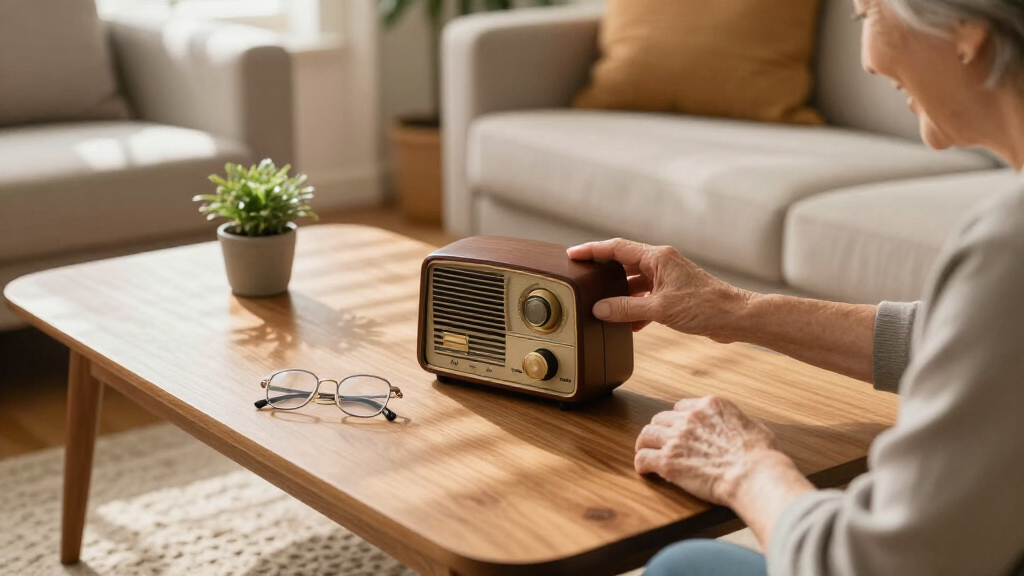
For example, imagine an elderly user who loves listening to classic jazz stations. Instead of navigating a touchscreen or multiple buttons, they turn a big dial to find their favorite station. It’s intuitive, almost instinctive. That’s the power of a single control.
Research from accessibility studies shows that devices with minimal controls can reduce frustration by up to 60%, especially for those with motor or vision impairments. This reduction in complexity means users can enjoy their favorite content without the stress of deciphering multiple buttons or digital menus. The implication is profound: simplifying controls doesn’t just make devices easier to operate; it enhances independence, confidence, and overall satisfaction in everyday listening. However, this minimalism also involves tradeoffs—such as fewer customization options or advanced features—requiring users to prioritize what matters most for their listening experience.
As an affiliate, we earn on qualifying purchases.
Design and Features That Make Single-Knob Devices Stand Out
Look at a classic radio — a big, round dial, a sturdy body, and a few simple markings. Many modern single-knob devices keep that vintage charm but add new tricks. Some include digital presets that you save with a quick press, so finding your favorite station is just a turn and a click.
Here’s what you’ll often find:
- Large, tactile knob: Easy to grip and feel, even with limited dexterity. This enhances usability by providing tactile feedback, allowing users to physically sense their adjustments without relying solely on sight. This feature is especially valuable for visually impaired users or those with tremors.
- Minimal buttons: Usually just power, volume, and tuning. This reduces cognitive load and physical effort, making operation straightforward. However, it also means users might need to prioritize which features are most essential, potentially sacrificing advanced controls for simplicity.
- Built-in speakers: Clear sound with rich tones, perfect for cozy listening sessions. Good audio quality enhances enjoyment but may involve tradeoffs in portability or size.
- Connectivity options: Bluetooth or Wi-Fi for streaming podcasts or online radio. These features expand functionality but can complicate devices if not integrated seamlessly, so quality design is key to maintaining simplicity.
- Portability: Compact size and long battery life make them perfect for outdoor use or bedside tables. Portability increases versatility but may limit the size of speakers or controls, impacting sound quality or ease of use.
For example, a device with a big, textured dial that clicks into preset stations can make tuning feel almost automatic, like turning a familiar key into a favorite song. This tactile and visual feedback not only improves usability but also fosters confidence, especially for those less comfortable with technology. The tradeoff is that such devices might lack some of the advanced features found in modern digital streaming devices, but for many users, the simplicity outweighs the loss of complexity.
Amazoneasy to use podcast player with one control
As an affiliate, we earn on qualifying purchases.
As an affiliate, we earn on qualifying purchases.
The Latest Trends Making One-Knob Devices Smarter and More Accessible
While the core remains simple, manufacturers are adding modern touches to these devices. Digital integration allows streaming from your phone or online radio stations, all controlled through that single knob or a single button for presets. This integration expands the device’s utility without sacrificing its simplicity, but it requires thoughtful design to avoid overwhelming users with new features.
Voice control, like Alexa or Google Assistant, is creeping into some models. You can ask your device to play a specific podcast or tune into a station, and then use the knob for fine-tuning or volume adjustment. This hybrid approach leverages the familiarity of voice commands with tactile feedback, providing a balanced user experience that caters to different preferences.
Portability is also a big trend. Devices now boast long-lasting batteries, lightweight frames, and rugged designs for outdoor listening. Plus, accessibility features like larger displays, high-contrast markings, and tactile feedback make these gadgets even friendlier for all users. These enhancements recognize that users want versatility and ease of use in various environments, but they also introduce potential tradeoffs—such as increased complexity or cost—that manufacturers must carefully manage.
Imagine going on a walk with a tiny, robust radio that you can control with a turn of the dial and a simple voice command. That’s the future blending old-school charm with modern convenience, offering an experience that is both nostalgic and innovative. The challenge for manufacturers is to incorporate these features without compromising the core simplicity that makes these devices so accessible.
Amazonvintage style radio with digital features
As an affiliate, we earn on qualifying purchases.
As an affiliate, we earn on qualifying purchases.
What Should You Look for When Choosing a One-Knob Radio or Podcast Player?
Picking the right device is about matching features to your needs. Do you want to listen mainly to FM/AM radio, or do you prefer streaming podcasts? Is portability important? Do you need large buttons or tactile feedback?
Here’s a quick checklist:
- Compatibility: Supports your favorite stations, podcasts, or streaming services. Ensuring compatibility means fewer frustrations and a more satisfying listening experience, but it may limit options if you need specialized features.
- Ease of use: Large, textured knob and minimal buttons. These features directly impact how quickly and comfortably you can operate the device, especially for users with limited dexterity or vision.
- Connectivity: Bluetooth, Wi-Fi, or auxiliary inputs. While adding connectivity broadens options, it can also introduce complexity. Prioritizing seamless, intuitive integration is key to maintaining simplicity.
- Battery life: Long-lasting for outdoor or bedside use. Longer battery life supports extended listening sessions without frequent recharging, but may result in larger or heavier devices.
- Accessibility features: Tactile labels, high contrast, voice control. These features enhance usability for all users but may increase device cost or complexity if not carefully integrated.
For example, if you want a device for your garden, prioritize battery life and ruggedness. If it’s for your bedside, look for easy-to-read displays and preset buttons. Understanding how these factors interact helps you choose a device that truly fits your lifestyle and enhances your listening experience.
Amazonaccessible radio for visually impaired
As an affiliate, we earn on qualifying purchases.
As an affiliate, we earn on qualifying purchases.
The Growing Market and Why It Matters
Market data shows a rising demand for simple, accessible audio devices. As populations age and more people seek straightforward tech, brands like Tivoli, Sangean, and Sony are focusing on easy-to-use models that combine retro charm with modern features.
From $50 basic radios to $200 smart models, prices reflect a range of options. The trend isn’t just nostalgia — it’s about removing barriers and making listening an effortless pleasure. This growth signifies a recognition that technology should serve all users, regardless of age or technical skill. Manufacturers are increasingly aware that simplicity and accessibility can expand their market reach and foster brand loyalty among users who might otherwise feel excluded by overly complex gadgets.
For example, a simple radio might cost around $70 and offer years of reliable service, while a more advanced model with streaming capabilities might reach $150. Either way, these devices fill a vital niche in the audio world, emphasizing that good design and user-centric features are key drivers of market success.
Frequently Asked Questions
Are one-knob radios suitable for streaming podcasts?
Yes, many modern single-knob devices support Bluetooth or Wi-Fi, allowing you to stream podcasts from your phone or online services easily. They combine the simplicity of traditional radios with the flexibility of digital streaming.
How easy are these devices to operate for seniors or visually impaired users?
Designed with large, tactile controls and minimal complexity, they are typically very user-friendly. Features like textured knobs and straightforward presets make operation simple, even for those with limited vision or dexterity. This focus on tactile design reduces reliance on visual cues, making them more accessible and less frustrating to operate.
Can I find a device that combines traditional radio with digital streaming?
Absolutely. Many models integrate analog tuning with digital connectivity, offering the best of both worlds. They let you listen to local stations or enjoy streaming content with a single, easy-to-use control system. This hybrid approach allows users to enjoy familiar interfaces while accessing modern content, bridging the gap between nostalgia and innovation.
What should I consider when choosing a one-knob radio or podcast player?
Think about your primary listening sources, portability needs, battery life, and whether accessibility features like tactile labels or voice control matter to you. Matching these factors to your lifestyle ensures satisfying use. Recognizing the tradeoffs—such as fewer features for greater simplicity—helps you make an informed choice that enhances your overall listening experience.
Are there devices specifically designed for podcast listening?
Yes, some podcast players focus on simple navigation with one-knob operation, quick episode access, and easy controls, making them perfect for those who mainly listen to spoken content without fuss. These devices often feature dedicated buttons for episode browsing and straightforward playback controls, emphasizing ease of use over advanced features.
Conclusion
Simple, one-knob radios and podcast players are more than just nostalgic throwbacks. They’re a practical, accessible way to enjoy the world of sound without the clutter of complex controls. Whether for yourself or a loved one, these devices remind us that sometimes, less really is more.
Next time you pick up an audio device, think about how it feels in your hand, how intuitive it is to use. Sometimes, turning a single dial is all you need to reconnect with the joy of listening.
This article is for informational purposes only and is not medical advice. Always consult a qualified healthcare professional about your specific situation.FALL Fall Picks
fall essentialsfall essentials
As an affiliate, we earn on qualifying purchases.