
TL;DR
A simple health log helps you spot patterns and manage conditions. Modern tools like apps and wearables make tracking easier and more insightful, especially when used consistently.
Start small: focus on a handful of vital signs or habits that matter most.
Consistency beats complexity—set reminders and make it part of your routine.
Use tools that match your comfort level: paper, apps, or wearables.
Review your logs weekly to notice patterns and make informed decisions.
Prioritize privacy—choose reputable tools and understand their data policies.
Keeping a Simple Health Log at Home
A few consistent measurements can reveal patterns that memory misses. Start with what matters, combine automatic readings with personal context, and build a record you can actually sustain.
Track signals you can act on
Choose measurements that connect to your goals or condition. Record them at comparable times and in consistent units so changes are easier to interpret.
Pressure & pulse
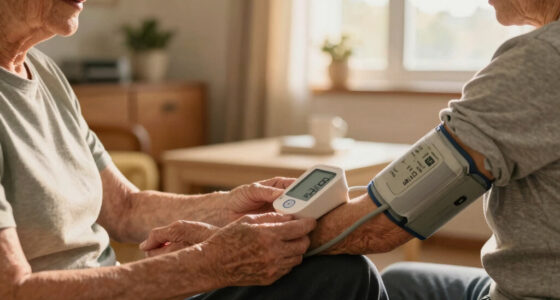
Log blood pressure and heart rate at a consistent time. Add a short note about stress, caffeine, exercise, or medication.
Sleep quality
Capture bedtime, wake time, duration, and a simple quality score. Wearables can add estimates of overnight trends.
What you notice
Name the symptom, rate its severity, and note timing or triggers. Subjective context is something sensors cannot supply.
Medication
Record whether each dose was taken, when it was taken, and any possible side effects or changes you noticed.
Food & movement
Use brief notes for meals, hydration, steps, or exercise. The aim is useful context—not an exhaustive diary.
Glucose & more
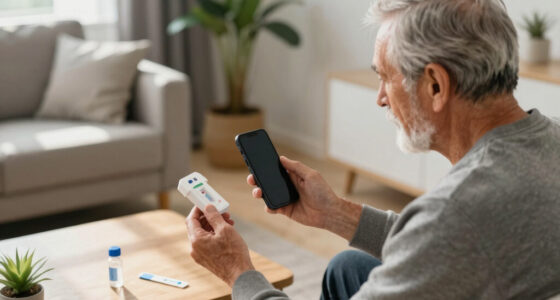
Add measurements relevant to your care plan, such as blood glucose, temperature, weight, or oxygen saturation.

Etekcity Smart Scale for Body Weight, FSA&HSA Eligible, Bathroom Digital Weighing Scale with BMI, Body Fat, Muscle Mass, Accurate Bluetooth Home User Health Equipment Sync Apps, LED, Tempered glass
𝑼𝒏𝒑𝒂𝒓𝒂𝒍𝒍𝒆𝒍𝒆𝒅 𝑨𝒑𝒑 𝑬𝒙𝒑𝒆𝒓𝒊𝒆𝒏𝒄𝒆: Elevate your fitness journey with us. Our scale stands out with the free vesync app,…
As an affiliate, we earn on qualifying purchases.
As an affiliate, we earn on qualifying purchases.
The best tool is the one you will use
Paper offers simplicity and privacy. Apps add reminders and charts. Wearables reduce manual work. Many people benefit from combining them.
| Tool type | Setup | Automatic data | Best advantage | Watch out for |
|---|---|---|---|---|
| Paper log | ✓Immediate | ✗None | Private, flexible, free, and easy to annotate. | Manual work, missed entries, loss, and no automatic analysis. |
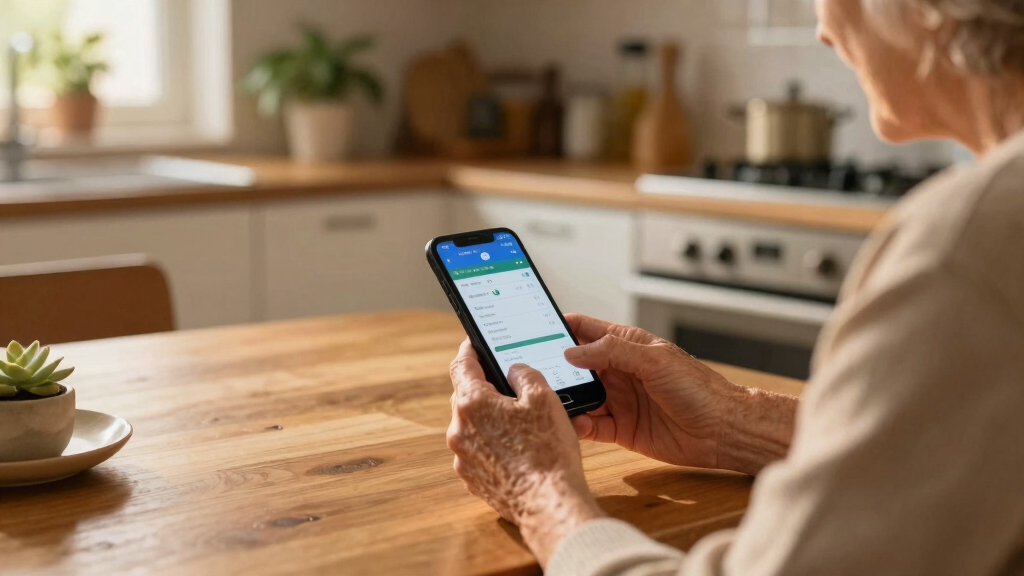
| Phone app | ~Low | ~Some | Reminders, charts, search, and easier data sharing. | Privacy policies, account security, and consistent input. |
| Wearable | ~Moderate | ✓Continuous | Passive tracking of activity, sleep, and heart rate trends. | Cost, charging, device accuracy, and missing personal context. |
| Connected device | ~Moderate | ✓On use | Blood pressure, glucose, or weight can sync directly. | Compatibility, maintenance, permissions, and secure sharing. |
Examples include Apple Health, Google Fit, MyFitnessPal, Fitbit, Garmin, connected blood-pressure monitors, and continuous glucose monitors. Features and privacy practices vary by provider.

COROS Heart Rate Monitor, Comfort, Easy to wear, Auto-wear Detection, Advanced Sensor, Precise Data, Bluetooth, 38 Hours Battery Life, Connects up to 3 Devices at Once, for Run and Bike-Grey
COROS Heart Rate Monitor armband is designed for measuring heart rate during sports and activities. It is not…
As an affiliate, we earn on qualifying purchases.
As an affiliate, we earn on qualifying purchases.
Turn scattered readings into a useful story
A repeatable chain connects measurement to action. Each step adds context without turning your health log into a full-time project.
Prompt
Attach logging to breakfast, medication, or brushing your teeth.
Measure
Use the same device, units, conditions, and approximate time.
Add context
Note symptoms, mood, medication, sleep, meals, or unusual events.
Review
Look weekly for repeated changes, clusters, triggers, and gaps.
Share
Bring concise trends and questions to your healthcare provider.
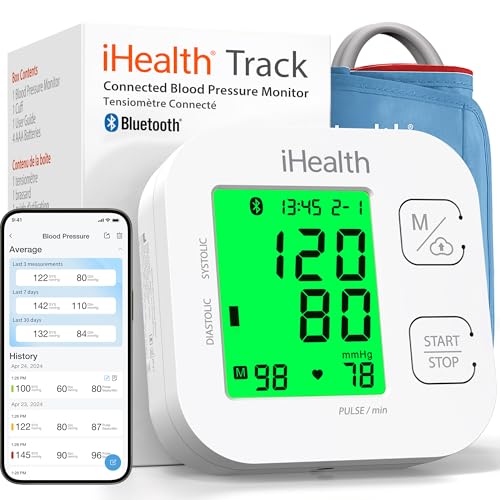
iHealth Track Smart Upper Arm Blood Pressure Monitor with Wide Range Cuff that fits Standard to Large Adult Arms, Bluetooth Compatible for iOS & Android Devices
Clinically Accurate: Easy Operation by two buttons, Advanced Accuracy, No Calibration required.
As an affiliate, we earn on qualifying purchases.
As an affiliate, we earn on qualifying purchases.
Design for your busiest day
A compact routine is more likely to survive real life. Keep the daily action short, then reserve deeper thinking for a weekly review.
The consistency checklist
- 1Choose one paper or digital home for your record.
- 2Start with only a handful of meaningful data points.
- 3Set one dependable reminder or habit cue.
- 4Use the same abbreviations, scales, and units.
- 5Review once a week and write one takeaway.
Effort spectrum
A practical view of how quickly common logging methods fit into a daily routine. Shorter effort generally supports better consistency.

Clever Fox Fitness & Food Journal – Nutrition & Workout Planner for Women & Men – Diet & Gym Exercise Log Book with Calendars, Diet & Training Trackers – Undated, A5 Size, Hardcover (Light Blue)
BUILD A HEALTHIER, STRONGER & HAPPIER BODY: Clever Fox Fitness & Food Journal is the ultimate nutrition and…
As an affiliate, we earn on qualifying purchases.
As an affiliate, we earn on qualifying purchases.
Protect the record behind the insight
Health information is sensitive. Before adopting a digital tool, understand what it stores, where it stores it, and who may receive it.
Secure the account
Use a unique password, enable two-factor authentication, and keep device software current.
Read the data terms
Check whether information is sold, used for advertising, retained indefinitely, or shared with third parties.
Limit permissions
Grant only necessary access and review connected apps, sharing settings, exports, and deletion options.
Share carefully
Prefer secure portals and trusted networks when sending health records to a provider or caregiver.
Do not wait for a weekly review if a reading is severely abnormal, symptoms are urgent, or your care plan tells you to seek help. Contact an appropriate healthcare professional or emergency service.
Your five-step launch plan
You do not need a perfect system. You need a small first version that is easy to repeat and useful enough to review.
Pick a purpose
Decide what question or condition your log should help illuminate.
Choose 3–5 items
Select only the readings, symptoms, or habits that matter most.
Select a tool
Use a notebook, app, wearable, or a simple combination.
Anchor the habit
Place logging after an action that already happens every day.
Review weekly
Circle patterns, write one question, and share concerns promptly.
Remember the winning formula
Automatic measurements provide continuity. Manual notes provide meaning. Together, they create a fuller and more useful picture of your health.
What should you track in your health log? Keep it simple but effective.
Starting your health log is easy when you know what matters most. Focus on basic, actionable data: blood pressure, heart rate, temperature, sleep quality, and medication adherence. For example, if you notice your blood pressure spikes on certain days, this could signal stress, diet issues, or medication effects, prompting a discussion with your doctor. Including symptoms and daily habits, like diet and activity, helps you see how lifestyle factors influence your health. Remember, the goal is consistency, not perfection. Use a simple notebook or a basic app, whichever feels less like a chore. The key is to gather enough context to identify patterns, but not so much that it becomes overwhelming or discourages ongoing tracking.
How to keep your health log simple and consistent
Consistency is the secret sauce. Here’s a quick step-by-step:
- Pick a method — paper or digital, whatever fits your style. The best tool is the one you’ll actually use regularly.
- Set a daily reminder—morning, evening, or after meals—to embed logging into your routine. This reduces the chance of forgetting and helps establish a habit.
- Record the same data points each time to spot meaningful patterns over time. For instance, noting blood pressure and mood every morning can reveal connections between stress and hypertension.
- Keep it quick—use abbreviations or symbols if needed, so logging doesn’t feel burdensome. The focus should be on consistency, not perfection.
- Review your log weekly to notice trends or concerns. Recognizing early signs of issues can lead to timely interventions, whether adjusting habits or consulting your healthcare provider.
What are the best tools for home health tracking? A clear comparison
| Tool Type | Advantages | Limitations |
|---|---|---|
| Paper log | Simple, private, no tech needed, and free. It allows you to jot down observations quickly and keeps data offline, reducing digital privacy concerns. | Manual entry can be time-consuming; there’s a risk of losing data or forgetting to record. It also lacks automatic analysis, so insights depend on your review. |
| Smartphone apps | Easy to update, often include charts, reminders, and data sharing options. They can streamline data entry and visualization, making it easier to monitor trends. | May require comfort with technology; some apps might have privacy concerns if data is stored on servers. The quality of data depends on consistent input. |
| Wearable devices | Automatic data collection reduces manual effort, providing continuous, real-time insights like steps, sleep, and heart rate. They are especially valuable for tracking subtle changes over time. | Cost can be a barrier; devices need charging and maintenance. Over-reliance on tech might lead to overlooking manual observations or context. |
How modern devices make health logging easier and more accurate
Wearables like Fitbit, Apple Watch, and continuous glucose monitors (CGMs) have transformed home health tracking by automating data collection. They continuously monitor vital signs and physiological metrics, reducing reliance on manual entry and minimizing human error. This automation not only saves time but also ensures that data is captured consistently, which is crucial for identifying subtle health trends that might otherwise go unnoticed. For example, a person with diabetes using a CGM can see real-time blood sugar fluctuations, enabling them to make immediate adjustments to their diet or medication. These devices often sync with smartphone apps, providing visual graphs and summaries that make complex data easier to interpret. The ability to analyze trends over days or weeks can reveal patterns linked to lifestyle factors, stress, or medication schedules. Ultimately, this automation enhances accuracy and provides a more reliable picture of your health, empowering you to take proactive steps based on precise, real-time insights, especially when managing chronic conditions or making lifestyle changes.
Privacy and security: what you should watch out for
Using digital tools means sharing personal health data, which raises important privacy and security considerations. Reputable apps and devices follow strict privacy standards, often encrypting data and allowing you to control who can see your information. However, some free or less-known apps might share your data with third parties for marketing or research purposes, which could compromise your privacy. It’s crucial to review privacy policies carefully and choose trusted brands with transparent data practices. Creating a dedicated, secure account with strong passwords and enabling two-factor authentication adds extra layers of protection. Avoid sharing your health data openly or through unsecured networks, and consider using secure, private Wi-Fi or VPNs when accessing sensitive information. Being vigilant about these issues helps ensure your health data remains confidential, giving you peace of mind while benefiting from digital tracking tools. Remember, understanding the risks and choosing reputable tools is essential to protect your sensitive information and maintain trust in your health management system.
How to get started today with your health log
Jumping into health tracking is easier than you think. Pick a simple method—maybe a small notebook or a free app—and set realistic goals. Decide on a few key metrics that matter most to you, such as blood pressure, sleep quality, or medication adherence. Establish a daily reminder—alarm, calendar alert, or habit stacking (like after brushing teeth)—to help reinforce the habit. Keep your entries brief: just a few notes or numbers each day to avoid feeling overwhelmed. Over time, review your logs weekly to identify patterns or changes. This process can reveal insights that help you and your healthcare provider make better-informed decisions. Remember, the goal is to build a sustainable habit that integrates seamlessly into your routine, empowering you to take control of your health with minimal effort.