
TL;DR
Open a free Amazon Business account
Business pricing, bulk buying and tax-exempt orders.
Create a free accountAs an affiliate, we earn on qualifying purchases.
If stiff hands make card games or tabletop activities tough, specialized aids like card holders, grip tools, and large-print games can help. These products increase comfort, visibility, and independence, allowing everyone to enjoy game night.
Imagine trying to hold a handful of tiny, slippery cards when your hands feel stiff and uncooperative. It’s frustrating and often discourages participation in favorite games. Fortunately, there are simple tools designed to change that experience entirely.
This guide explores the essential aids—card holders, playing aids, and large-print games—that turn challenging moments into fun, inclusive activities. Whether you’re shopping for yourself or a loved one, understanding these options can unlock a new level of independence at game night.
Choose aids based on your specific challenge—whether it’s gripping, reading, or shuffling.
Try aids in person or borrow first; comfort and fit matter as much as features.
Large-print and high-contrast designs are essential for visual clarity and ease.
Affordable options exist for every budget, from $10 to $50+.
Investing in the right tool transforms game night from frustration into fun.
Card Holders, Playing Aids and Large-Print Games for Stiff Hands
Stiff or uncooperative hands shouldn’t mean sitting out game night. Ergonomic card holders, grip tools, shufflers, and high-contrast large-print games restore comfort, visibility, and independence — turning frustration into fun for players with arthritis, Parkinson’s, or limited dexterity.
Why Card Holders Are a Game-Changer for Stiff Hands
Card holders act like tiny, portable shelves that keep cards upright or fanned out. By eliminating the constant struggle of grasping and shuffling, they let players focus on strategy and social interaction — not physical discomfort. Modern designs are lightweight, non-slip, and adjustable for the perfect viewing angle.
Compact Holders
Small, lightweight plastic models that slip into a bag. Perfect for playing on the go without gripping fatigue.
- Holds 10–15 cards upright
- Lightweight plastic or silicone
- Non-slip base keeps them steady
Adjustable Curved Holders
Larger models with adjustable angles for maximum comfort at the table. A curved design keeps every card visible without a tight grip.
- Adjustable tilt angles
- Curved fan display
- Reduces hand fatigue & strain
Ergonomic & Eco Materials
New designs conform to various hand sizes and grip strengths, including one-handed options — plus recycled and biodegradable materials.
- One-handed operation support
- Silicone ergonomic surfaces
- Sustainable material options
How Playing Aids Make Handling Games Easier
Grip-enhancing wraps, automatic shufflers, and clearer cards address specific challenges — from gripping small objects to reading tiny print. Together, they reduce physical effort, minimize frustration, and open the table to a broader range of players.
Identify the Challenge
Gripping, shuffling, or reading — pinpoint what makes gameplay difficult.
Match the Aid
Grip wraps for control, shufflers for automation, large cards for clarity.
Test the Fit
Try in person or borrow first — comfort matters as much as features.
Play with Confidence
Focus shifts from physical struggle to strategy, socializing, and fun.
Aid Comparison: What Works for What
Match each tool to your specific challenge. Use this quick reference to find the right starting point.
| Aid Type | Best For | Typical Cost | Works with Most Games | Learning Curve |
|---|---|---|---|---|
| Card Holder | Gripping & holding cards | $10–$30 | ✓ Yes — bridge to poker | ✓ Minimal |
| Grip Wraps / Aids | Small tokens & dice control | $10–$25 | ✓ Yes — universal | ✓ Minimal |
| Electronic Shuffler | Painful manual shuffling | $20–$50+ | ~ Standard decks only | ✓ One-button |
| Large-Print Cards | Visual clarity & tremors | $10–$40 | ~ Card games, bingo | ✓ None |
| Oversized Game Sets | Handling & reading pieces | $25–$100+ | ~ Specific titles | ✓ None |
Large-Print Games: Design That Reduces Strain
Large-print gaming is about clarity, not just size. High-contrast colors (black on white, bright backgrounds), oversized pieces of at least 2 inches, and durable easy-handle materials act as visual anchors — speeding up gameplay, preventing fatigue, and keeping the focus on fun. The tradeoff: larger components need more storage and are less portable.
Five Rules for an Inclusive Game Night
Choose aids based on your specific challenge — gripping, reading, or shuffling.
Try aids in person or borrow first; comfort and fit matter as much as features.
Large-print and high-contrast designs are essential for visual clarity and ease.
Affordable options exist for every budget, from $10 to $50+.
Investing in the right tool transforms game night from frustration into fun — because everyone deserves a fair shot at the game, and the laughter that comes with it.
Frequently Asked Questions
Are card holders suitable for all card games?
Yes — most holders work with a variety of games, from bridge to poker. They keep cards organized and visible, making gameplay smoother for anyone with limited dexterity.
Can large-print games be used for other activities?
Absolutely. Large-print materials are great for bingo, dominoes, or even puzzles — helping anyone with visual difficulties or stiff hands enjoy a range of activities.
Are electronic shufflers easy to operate?
Most models are designed for simplicity — just press a button. They’re especially helpful for players who find manual shuffling painful or difficult.
What’s the best way to start adapting my games?
Begin with small changes like large-print cards or dice grips. Test with your usual games, adjust as needed, and discover what makes play most comfortable over time.
Why Card Holders Are a Game-Changer for Stiff Hands
Card holders are like tiny, portable shelves that hold your cards upright or fan them out. For someone with stiff or weak hands, they prevent the constant struggle of grasping and shuffling. This simple device alleviates the physical strain and reduces frustration, encouraging more confident participation. When players no longer have to wrestle with holding or manipulating cards, they can focus on strategy and social interaction rather than physical discomfort.
Many card holders are lightweight, made from plastic or silicone, with non-slip bases. They come in various sizes, from compact models for travel to larger, adjustable ones for comfortable use at home. The tradeoff is that some may take up more space or require adjustment to find the most comfortable angle, but the benefits of reduced strain often outweigh these minor inconveniences.
Example: One elderly player uses a curved plastic holder that keeps her cards visible without needing to grip tight. This simple change not only reduces her hand fatigue but also boosts her confidence, leading to more active participation in game nights she previously avoided due to discomfort.
large print playing cards for seniors
As an affiliate, we earn on qualifying purchases.
As an affiliate, we earn on qualifying purchases.
How Playing Aids Make Handling Games Easier
Playing aids include grip-enhancing tools, shufflers, and larger, clearer cards. They are designed to address specific challenges—whether it’s difficulty gripping small objects, shuffling cards, or reading tiny print. The importance lies in how these aids can transform the gaming experience: they reduce physical effort, minimize frustration, and open up the activity to a broader range of players. For example, a person with Parkinson’s might struggle with small tokens or delicate dice; using specialized grips or larger game pieces can make handling these items effortless and less intimidating.
Consider grip aids: soft, textured wraps that provide more control, which not only improve grip but also reduce finger fatigue. Shufflers automate a task that can be physically taxing, especially for those with limited dexterity, freeing players to focus on strategy and fun. Large-print cards with high-contrast, oversized symbols help players with visual impairments or tremors read easily without straining their eyes, which enhances confidence and reduces cognitive load.
These aids are more than just convenience—they can fundamentally change the social dynamic of gaming. When players are no longer hindered by physical limitations, they can participate fully, leading to increased enjoyment, social bonding, and a sense of accomplishment. The tradeoffs include potential costs or learning curves, but the payoff is a more inclusive and engaging experience for everyone involved.
ergonomic card holders for limited dexterity
As an affiliate, we earn on qualifying purchases.
As an affiliate, we earn on qualifying purchases.
Large-Print Games: See and Play Without Strain
Large-print games are about more than just bigger cards—they’re about clarity and reducing visual strain. For someone with stiff hands and less sharp eyesight, tiny print or low-contrast colors can turn game night into a frustrating chore. Large, high-contrast components serve as visual anchors, making it easier to identify and process game elements quickly, which maintains engagement and reduces fatigue.
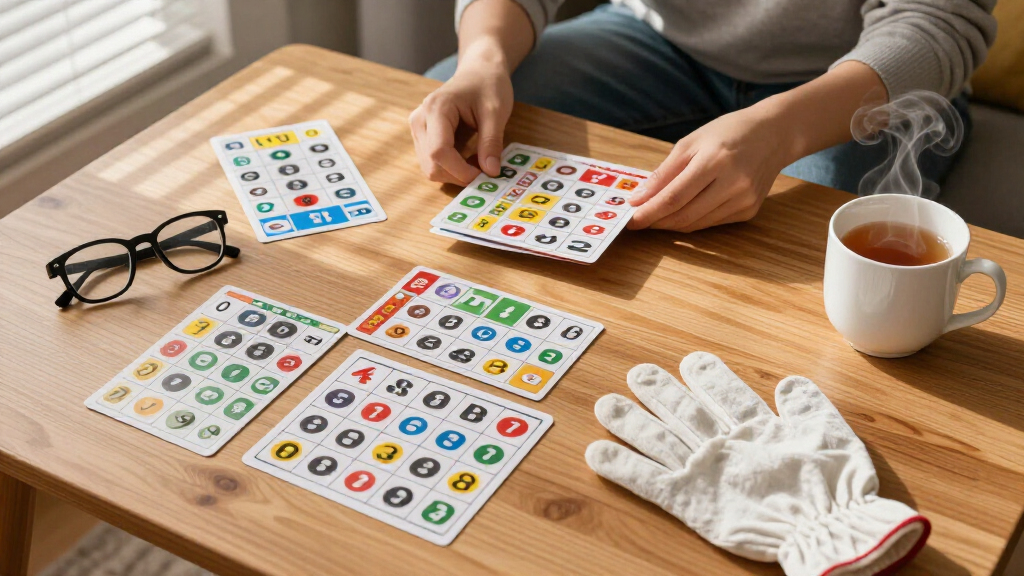
For example, a classic Scrabble set with oversized, bold tiles and a bright, contrasting board not only makes spelling words easier but also speeds up gameplay, preventing fatigue. Similarly, big dominoes or bingo cards with clear, thick numbers ensure everyone can see the game state without squinting or fumbling, which keeps the focus on fun rather than frustration. The tradeoff is that larger components may require more storage space or may be less portable, but the benefits of improved visibility and ease of handling often outweigh these considerations.
Design features such as high-contrast colors (black on white, bright backgrounds), oversized pieces (at least 2 inches in diameter or height), and durable, easy-to-handle materials are crucial. These elements collectively make the game more accessible, allowing players with limited dexterity or vision challenges to participate fully, fostering inclusivity and shared enjoyment.
As an affiliate, we earn on qualifying purchases.
Frequently Asked Questions
Are card holders suitable for all types of card games?
Yes, most card holders work with a variety of games, from bridge to poker. They keep cards organized and visible, making gameplay smoother for anyone with limited dexterity.
Can large-print games be used for other activities?
Absolutely. Large-print materials are great for bingo, dominoes, or even puzzles. They help anyone with visual difficulties or stiff hands enjoy a range of recreational activities.
Are electronic shufflers easy to operate?
Most models are designed with simplicity in mind—just press a button, and they shuffle. They’re especially helpful for players who find manual shuffling painful or difficult.
What’s the best way to start adapting my games?
Begin with small changes, like using large-print cards or adding grips to dice. Test these aids with your usual games, and adjust as needed. Over time, you’ll discover what makes your gameplay most comfortable.
adaptive gaming accessories for stiff hands
As an affiliate, we earn on qualifying purchases.
As an affiliate, we earn on qualifying purchases.
Conclusion
Stiff hands shouldn’t keep you or loved ones from enjoying the simple joy of a game. With the right tools—card holders, gripping aids, and large-print options—you can turn a challenging moment into a moment of shared laughter and connection.
Think about your specific needs, test what feels best, and don’t hesitate to invest in comfort. Because everyone deserves a fair shot at the game—and the fun that comes with it.
Back to school Picks
back to school
As an affiliate, we earn on qualifying purchases.