TL;DR
Open a free Amazon Business account
Business pricing, bulk buying and tax-exempt orders.
Create a free accountAs an affiliate, we earn on qualifying purchases.
Dressing with limited shoulder mobility is challenging but manageable with the right tools. Simple, ergonomic aids like dressing sticks, button hooks, and sock aids can greatly improve independence and reduce strain. Proper selection and training unlock their full potential.
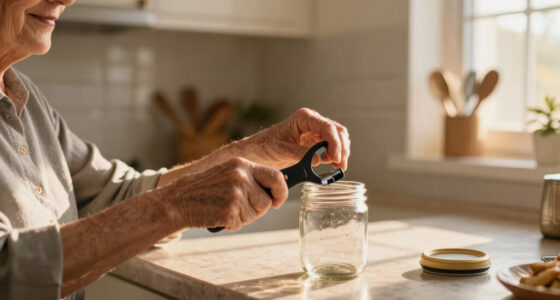
Imagine struggling to reach behind your back or lift your arms just to put on a shirt. Now, picture a simple tool—a long-handled dressing stick—that makes that task effortless. If shoulder mobility is limited, everyday dressing can feel like a mountain climb. But help is available in the form of practical aids that genuinely help you regain independence and comfort.
This guide dives into the best dressing tools for shoulder limitations, explaining what works, what to look for, and how to use them effectively. It’s about finding solutions that turn frustration into freedom—making dressing routines smoother, safer, and less painful.
Choose ergonomic, lightweight aids that match your specific dressing challenges.
Practice using your tools regularly to build confidence and efficiency.
Start with simple, affordable options and seek professional advice for tailored solutions.
Using the right aids can boost independence and reduce strain, transforming dressing from a chore to an achievable task.
Adjust your environment—like sitting comfortably or organizing aids nearby—to maximize safety and ease.
Why Dressing Is a Big Deal for Shoulder-Limited Folks
Limited shoulder mobility makes simple dressing tasks feel like complex puzzles. Reaching behind your back, fastening buttons, or pulling up socks becomes a challenge. These struggles aren’t just inconvenience—they affect your independence, mood, and daily confidence.
For example, a person recovering from shoulder surgery might find it impossible to reach for a T-shirt or zip up a jacket without help. These difficulties can lead to feelings of frustration and helplessness, which may impact mental health and motivation to remain active. Moreover, resorting to awkward or strained movements to compensate can cause further injury or delay recovery. Recognizing the importance of dressing aids is crucial because they directly address these specific challenges, helping you maintain dignity, boost confidence, and preserve physical health.
Understanding what’s around you—your clothing, your space, and your strength—helps you choose aids that integrate seamlessly into your routines. This isn’t just about convenience; it’s about reducing the physical and emotional toll of dressing. When you select the right tools, you minimize the risk of injury from overexertion and discomfort, which can otherwise exacerbate existing shoulder issues and prolong recovery.
dressing stick for limited shoulder mobility
As an affiliate, we earn on qualifying purchases.
As an affiliate, we earn on qualifying purchases.
Top 5 Dressing Aids That Genuinely Make a Difference
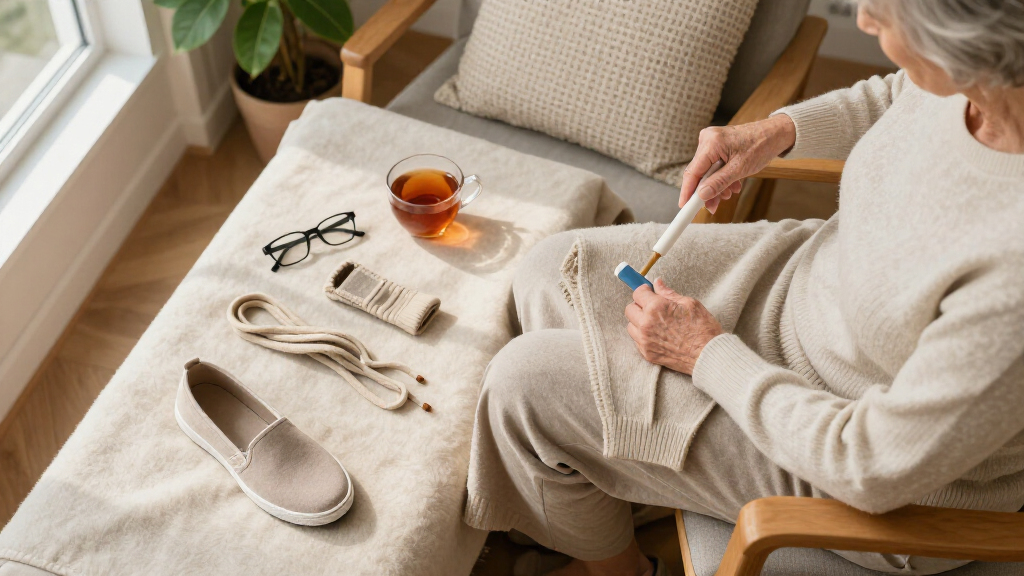
Here’s a quick look at five game-changing tools for limited shoulder mobility, each addressing a specific challenge that can otherwise lead to frustration or injury. These aids are designed not just to assist but to empower you to maintain independence, safety, and comfort. Understanding why each works helps you appreciate their role in your daily routine and guides you in making informed choices.
- Dressing sticks: These long handles with hooks or loops are not just about reach—they allow you to pull up clothing without overextending or straining your shoulder. By enabling you to maintain proper posture and avoid awkward, potentially injurious movements, dressing sticks help prevent muscle strain and joint stress, especially during recovery or chronic limitation. Their versatility means you can use them for various tasks, reducing the need for awkward or risky movements that might compromise your healing process.
- Button hooks: Fastening buttons can require fine motor skills and shoulder flexibility, which are often compromised. Button hooks simplify this process, reducing finger fatigue and minimizing the need to contort your arm into uncomfortable positions. This not only makes dressing easier but also reduces the likelihood of dropping small objects or straining muscles, which can lead to further injury or delayed recovery. By easing this task, button hooks help preserve your energy and confidence throughout the day.
- Zipper pulls: Larger, textured tabs make zipper operation easier, especially when grip strength is compromised. They prevent excessive pulling or twisting that could aggravate shoulder pain or cause joint strain. Using zipper pulls allows you to dress more independently and safely, reducing the risk of accidental injury or increased pain during routine dressing, and supporting your ongoing mobility and strength maintenance.
- Sock aids: These devices help you slide socks onto your feet without bending or reaching excessively. They support maintaining proper posture and balance, which are crucial for avoiding falls—a common concern when mobility is limited. By reducing the need for awkward bending or twisting, sock aids help prevent muscle strain and falls, promoting safer dressing routines and preserving your independence over time.
- Shoehorns: Wide, curved tools facilitate slipping your foot into shoes without excessive bending. They protect your joints from unnecessary stress and help preserve your mobility over the long term, especially if you need to avoid repetitive strain or painful movements. Using a shoehorn reduces the risk of falls and joint injury, contributing to a safer dressing process and supporting your ability to dress independently over time.
Each of these aids addresses a specific aspect of dressing difficulty, but their true strength lies in how they work together. Combining these tools creates a comprehensive dressing strategy that minimizes physical strain, prevents injury, and boosts confidence. This integrated approach ensures you’re not just managing symptoms but actively working to maintain your independence and physical health in daily routines.

Button Hook and Zipper Pull One Hand Buttons aids Button Assist Device
- Effortless Buttoning: Secure various button sizes easily
- Comfortable Handling: Soft-grip, slip-resistant handle
- Snag-Free Precision: Sturdy steel wire for smooth operation
As an affiliate, we earn on qualifying purchases.
As an affiliate, we earn on qualifying purchases.
What to Look for When Choosing Dressing Aids
Picking the right tool depends on your specific mobility, strength, and daily routine. Here’s what matters most, along with insights into why these features make a real difference:
- Ease of use: Handles should be comfortable, non-slip, and require minimal grip strength. If a tool is difficult to handle, it defeats the purpose of independence, often leading to frustration or improper use that could cause injury. Selecting aids that are intuitive and simple to operate ensures consistent use, which is critical for building confidence and maintaining routine safety.
- Lightweight design: Heavy tools can tire your muscles quickly, especially if you have limited strength or endurance. Lightweight aids reduce fatigue and make dressing less taxing, encouraging more frequent and confident use. This tradeoff between durability and weight is crucial—tools must be sturdy enough to last but light enough to handle comfortably.
- Adjustability: Some aids come with adjustable lengths or features that adapt to your body size and clothing types. This flexibility allows you to customize your dressing experience, making tasks easier and more comfortable. It also means you can modify your aids as your mobility or clothing needs change, ensuring ongoing usability and comfort.
- Compatibility: Ensure the aid is suitable for your clothing, whether it’s a zipper, button, or sock. For example, a sock aid with textured grips is more effective if your socks are slippery or tight-fitting. Compatibility reduces frustration and increases the likelihood of successful dressing, ultimately supporting your independence.
- Durability: Use sturdy, high-quality materials that can withstand daily use without breaking or wearing out. Durable aids save money over time and provide consistent performance, which is crucial when you rely on them regularly. Investing in quality ensures safety, as weaker tools may break unexpectedly, risking injury or setbacks in your routine.
By considering these features, you’re better equipped to select aids that not only fit your current needs but also adapt to future changes. Recognizing the tradeoffs and benefits of each feature helps you balance cost, durability, and ease of use—making your dressing routine safer, more efficient, and more empowering.

RMS Deluxe Sock Aid – Socks Helper with Foam Handles for Regular Socks
- Compatible Sock Types: Suitable for ankle, knee, athletic, and dress socks
- Not for Compression Socks: Designed for regular socks only
- Foot Width Compatibility: Fits foot widths up to 5 inches
As an affiliate, we earn on qualifying purchases.
As an affiliate, we earn on qualifying purchases.
How to Use These Aids Without Making Things Worse
Using aids correctly is essential not just for effectiveness but also for safety. Improper use can lead to injuries, worsen existing issues, or create new problems. Here’s a step-by-step approach to ensure safe and efficient dressing with these tools, along with insights into common pitfalls and how to avoid them:
- Pulling up pants with a dressing stick: Attach the fabric loop or hook to the waistband, ensuring a secure grip. Stand or sit in a comfortable position, keeping your shoulder relaxed and avoiding overreaching. Use the stick to lift the waistband over your hips, maintaining proper posture to prevent strain. Practice this motion to find the most ergonomic angle, which reduces the risk of shoulder or back injury. Avoid pulling too forcefully, as this can cause strain or accidental slips that might lead to falls or muscle pulls.
- Fastening buttons with a button hook: Insert the hook through the buttonhole, then catch the button and gently pull it through. Focus on gentle, controlled movements—forceful pulling can strain your shoulder or cause the hook to slip. Practice on larger buttons first to build confidence, gradually progressing to smaller ones. Proper technique minimizes finger fatigue and prevents accidental injury, but also ensures you don’t apply excessive force that could harm your joints or muscles.
- Putting on socks with a sock aid: Slide your foot into the sock aid, ensuring the sock is properly aligned. Use the handle to bring the sock up your leg, keeping your back straight and shoulders relaxed. Avoid twisting or excessive bending, which can strain your back or shoulders. Gently remove the aid once the sock is in place, then slide your foot into your shoe, maintaining good posture throughout. Rushing or forcing the process increases the risk of muscle strain or falls, so patience and proper technique are key.
- Using a shoehorn: Slip the curved end into the heel of your shoe. Carefully insert your foot, then gently slide your foot in without forcing or twisting. Keep your back straight and shoulders relaxed, and avoid sudden movements. This careful approach prevents unnecessary joint stress, reduces the risk of slips, and helps preserve your mobility over time. Forcing shoes onto your feet can cause joint pain or damage, especially if done repeatedly or aggressively.
Always move slowly, listen to your body, and stop if you experience pain. Using aids with proper technique minimizes strain, prevents injury, and ensures the tools serve their purpose effectively. If discomfort persists, consult a healthcare professional for personalized adjustments or alternative methods. Remember, patience and mindfulness during dressing are essential for long-term safety and independence.
As an affiliate, we earn on qualifying purchases.
Comparison: Which Aid Fits Your Routine Best?
| Aid Type | Best For | Ease of Use | Portability | Cost Range |
|---|---|---|---|---|
| Dressing stick | Reaching behind back, pulling up shirts | High | Very portable | $10–$25 |
| Button hook | Fastening buttons on shirts, jackets | High | Small, lightweight | $5–$15 |
| Sock aid | Putting on socks without bending | Medium | Moderate | $15–$30 |
| Shoehorn | Sliding into shoes comfortably | High | Moderate | $8–$20 |
Matching your daily routines with the right aids simplifies dressing and saves energy. Choosing aids that align with your most frequent challenges ensures you spend less time struggling and more time enjoying your day. For example, if socks are your main difficulty, investing in a sock aid with textured handles can make dressing quicker and safer, reducing the risk of falls or discomfort. Evaluating your typical dressing hurdles helps you select the tools that will have the greatest impact, making independence not just a goal but a daily reality.
Practical Tips for Getting the Most Out of Your Aids
Even the best tools need proper technique to work well and prevent setbacks. Here are practical tips to maximize your dressing aids’ effectiveness:
- Practice regularly: Consistent use helps you develop muscle memory and confidence, reducing the mental and physical effort required each day. This consistency also helps you identify which techniques work best for your body and routines, leading to safer, more efficient dressing.
- Stay organized: Keep your aids in a designated spot, ideally near your dressing area, so you’re not searching for them when needed. An organized space minimizes frustration, prevents accidental injuries from rushing or reaching blindly, and reinforces the habit of using your tools correctly.
- Adjust your environment: Set up your dressing area with good lighting, a mirror, and a comfortable chair. These adjustments improve visibility, stability, and comfort, reducing the likelihood of mishaps and making dressing less stressful, especially when fatigue sets in.
- Take your time: Rushing can lead to slips, pulls, or awkward movements that strain your joints or cause falls. Allocating enough time to dress calmly and carefully helps prevent injuries and builds confidence in your routines.
- Seek professional advice: An occupational therapist can assess your specific needs, suggest tailored techniques, and train you to use your aids most effectively. Their guidance can prevent bad habits, reduce injury risk, and ensure you’re making the most of your tools, ultimately supporting your independence and safety.
For example, creating a dedicated dressing station with all your aids within arm’s reach ensures you don’t have to stretch or reach awkwardly, which minimizes fatigue and prevents accidents. Taking the time to learn proper techniques and environment setup not only improves safety but also boosts your confidence, making dressing a smoother, less stressful part of your day.
What You Should Know Before Buying or Using Aids
Before investing in aids, it’s essential to evaluate your specific needs, physical capacity, and budget. Not every aid suits everyone, and choosing poorly can lead to frustration, injury, or reduced independence.
Consulting a healthcare professional, especially an occupational therapist, ensures you select tools that match your mobility level and clothing preferences. They can also teach you proper techniques, reducing the risk of misuse or accidental harm. This personalized approach helps you avoid unnecessary purchases and focus on aids that genuinely improve your daily routine, saving you money and effort in the long run.
Start with basic, affordable tools—such as a simple dressing stick or button hook—to test their effectiveness. If these prove helpful, you can gradually explore more specialized options. Many aids are available online or through medical suppliers, making it easy to try different solutions without significant upfront costs. Remember, investing in the right tools is an investment in your independence and safety, so take the time to choose wisely and seek professional guidance when possible. This proactive approach ensures you’re equipped with the best solutions for your unique situation, fostering confidence and long-term success.
Frequently Asked Questions
Are dressing aids difficult to learn how to use?
Most dressing aids are straightforward and designed for easy use. With a little practice, they become second nature, especially when guided by an occupational therapist or instructional videos.Can dressing aids be used with all types of clothing?
Many aids work well with most clothing, but some, like button hooks, are best for button-up shirts. Choosing aids that match your wardrobe ensures smoother dressing routines.Are dressing aids expensive?
Most basic aids are affordable, ranging from $5 to $30. Investing in quality tools can save you frustration and physical strain, making them worth considering.Can I use these aids if I have limited hand strength?
Yes, many aids feature ergonomic grips and large handles designed for limited hand strength. Professional advice can help you find the best options based on your specific strength level.Should I see a professional before buying dressing aids?
Consulting an occupational therapist can ensure you select aids tailored to your needs and learn proper techniques, maximizing safety and independence.Conclusion
Getting dressed doesn’t have to be a daily battle with limited shoulder mobility. With the right aids, you turn a frustrating chore into a manageable routine. Focus on simple, well-designed tools that suit your needs, and don’t hesitate to get professional guidance.
Remember, independence is within reach—sometimes, all it takes is a small tool and a bit of practice to regain control of your day.
Back to school Picks
back to school
As an affiliate, we earn on qualifying purchases.