TL;DR
Listen free for 30 days with Audible
Thousands of audiobooks and originals — cancel anytime.
Start your free trialAs an affiliate, we earn on qualifying purchases.
A good starter kit for a parent living alone combines essential safety tools, medication aids, and environmental adjustments. It should support independence while addressing real risks, with a focus on simplicity and personal needs.
Imagine your parent living alone, navigating daily routines that suddenly feel more uncertain. A thoughtfully assembled starter kit can make a real difference — boosting safety, confidence, and peace of mind. But what items truly help without adding clutter or confusion? That’s what we’ll explore.
This guide simplifies the often overwhelming task of creating a personalized safety and support kit. You’ll learn what essentials to include, how to pick the right products, and how small home tweaks can sometimes outperform fancy gadgets. Your goal: help your parent stay independent and safe, without turning their home into a fortress.
Start with simple, essential safety items like emergency response devices, grab bars, and good lighting.
Tailor medication management tools to your parent’s abilities and routines, avoiding unnecessary complexity.
Small environmental changes—removing clutter, improving lighting, securing rugs—often prevent more falls than gadgets.
Involve your parent in every step, testing each aid to ensure comfort and usability.
Use technology as a helpful support, but don’t rely solely on it for safety or independence.
What to Put in a Daily Living Aid Starter Kit for a Parent Living Alone
A useful starter kit creates a practical safety net without filling the home with confusing equipment. Begin with real daily challenges, choose simple aids, and involve your parent in every decision.
Start with the risks that matter every day
Quick access to help, a safer bathroom, clear medication routines, and better nighttime visibility form the backbone of a starter kit. Add only what your parent can use comfortably and consistently.
Wearable help button
Choose a pendant, wrist button, or fall-detection device that is comfortable enough to wear throughout the day.
Secure support surfaces
Prioritize professionally installed grab bars, a nonslip surface, and a shower chair or transfer bench when balance is limited.
Motion-activated lights
Place lights along the bed-to-bathroom route and near stairs, thresholds, and dark hallways.
Simple dose reminder
Use a printed schedule, alarm, suitable pill organizer, or dispenser matched to the person’s abilities.
Lightweight reacher
Reduce bending and stretching for light objects, but never use it for hot, heavy, sharp, or breakable items.
First
Practical environmental changes—removing clutter, improving lighting, securing or removing loose rugs, and placing essentials within easy reach—can prevent hazards more effectively than adding complicated technology.
Make the routine clearer, not more complicated
Medication errors often come from memory lapses, difficult packaging, changing prescriptions, or routines with too many steps. Build the system around what your parent can reliably manage.
A dependable medication setup
- Current medication list: Include names, doses, timing, allergies, clinicians, and emergency contacts.
- Printed daily schedule: Align doses with stable routines such as breakfast, lunch, or bedtime.
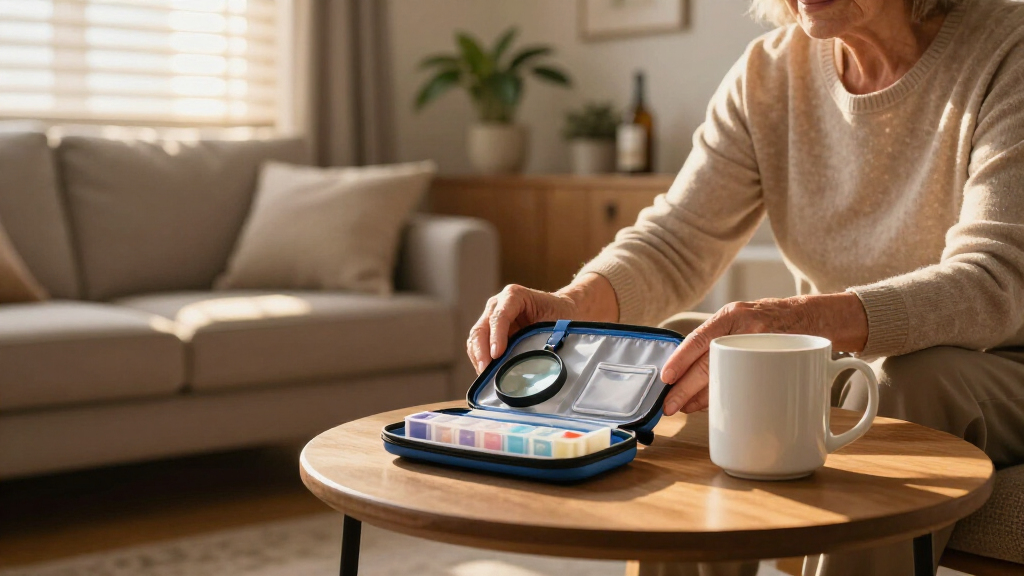
- Accessible labels: Use large print, strong contrast, and a magnifier if standard labels are difficult to read.
- Appropriate reminder: Select a clock, phone alarm, pill organizer, or automated dispenser based on actual need.
- Regular review: Ask a pharmacist to check compatibility, storage, packaging, and any prescription changes.
Use the lowest useful complexity
The bars show the recommended order of consideration, not clinical effectiveness. Escalate support only when simpler options are insufficient.
Not every medicine can be stored in a pill organizer, and child-resistant containers can be difficult for someone with arthritis. Confirm that the chosen system is safe and manageable.
Match each aid to a specific task
Observe where effort, uncertainty, or near-misses occur. A small change in placement, lighting, grip, or support can often preserve independence without making the home feel clinical.
Stability and reach
Support safer transfers and reduce unnecessary bending or stretching.
- Structurally secured grab bars
- Shower chair or transfer bench
- Nonslip mat or textured strips
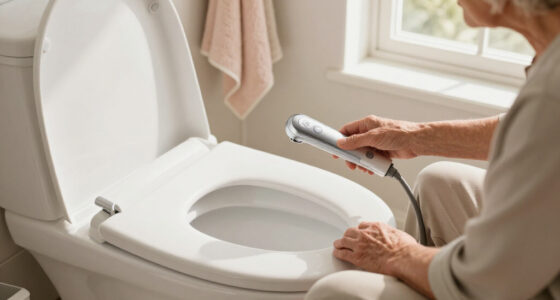
- Handheld showerhead
- Raised toilet seat or safety frame
Grip and control
Keep common items between waist and shoulder height whenever possible.
- Nonslip shelf liner or placemat
- Easy-grip utensils and openers
- Lightweight, large-handled cups
- Automatic-shutoff kettle
- Stove timer or shutoff device
Less bending
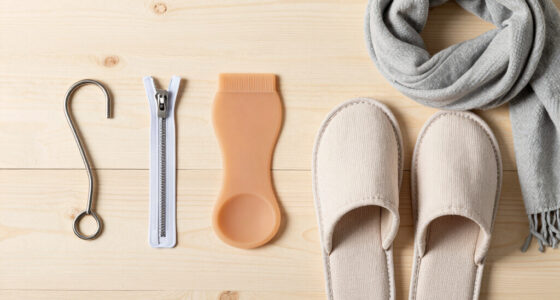
Choose only the tools that resolve a current dressing or grooming difficulty.
- Long-handled shoehorn
- Sock aid or dressing stick
- Button hook and zipper pull
- Elastic laces or no-tie shoes
- Easy-grip grooming tools
Clear walking paths
Reduce trip hazards before purchasing additional mobility equipment.
- Supportive nonslip footwear
- Motion-activated night-lights
- Cord organizers
- Secure rug backing or rug removal
- High-contrast step-edge tape
Make signals visible
Support vision, hearing, and quick communication during ordinary routines.
- Large-display clock and calendar
- High-contrast labels
- Focused task lighting
- Amplified or captioned telephone
- Visible or amplified home alerts
Prepare for disruptions
Keep essential information and backup supplies easy to locate.
- Charged mobile phone and charger
- Large-print contact list
- Medical-information card
- Flashlight and spare batteries
- First-aid supplies and backup power
| Decision area | Best starting move | Add when needed | Avoid or verify |
|---|---|---|---|
| Nighttime falls | ✓Clear paths and add motion lights | Contrast markings and bedside support | ~Loose rugs, cords, and dim switches |
| Shower transfers | ✓Secure grab bars and nonslip surface | Shower chair or transfer bench | ✗Towel rails or suction bars as weight-bearing support |
| Medication memory | ✓Printed schedule tied to routine | Alarm or automated dispenser | ~Organizer use without pharmacist confirmation |
| Kitchen reach | ✓Move common items to safe height | Reacher for light, safe objects | ✗Reaching for hot, heavy, sharp, or breakable objects |
| Walking support | ✓Professional assessment and fitting | Walker bag or tray if appropriate | ✗Unfitted canes or walkers |
Legend: ✓ preferred first action ~ professional or situational check ✗ unreliable or unsafe use
Turn observation into a kit your parent will use
The best aid is not the most advanced one. It is the option that addresses a real difficulty, feels acceptable, works in the home, and remains dependable over time.
Observe
Notice difficult tasks, near-misses, fatigue, low-light areas, and moments when help is unavailable.
Match
Select the smallest practical change that addresses the specific hazard or daily difficulty.
Test
Let your parent try the aid, confirm comfort, and check installation, reach, labels, and controls.
Review
Recheck batteries, fit, placement, wear, medication changes, and whether the aid is actually used.
The parent stays at the center
Ask what feels difficult, what feels intrusive, and what would make daily routines easier. Demonstrate one item at a time, invite feedback, and remove aids that add confusion or clutter. If equipment is refused, begin with the concern behind the refusal—appearance, comfort, cost, loss of control, or difficulty of use—and look for a less intrusive alternative.
Three non-negotiables
The aid must suit strength, balance, grip, vision, hearing, memory, and fatigue.
Poorly installed equipment can create a dangerous false sense of security.
Devices need charging, testing, maintenance, and a person who will respond.
Starter kit questions
What are the five best items to buy first?
A personal emergency-response device, secure bathroom support, motion-activated night-lights, a suitable medication reminder system, and a lightweight reacher address several common risks without creating a complicated setup.
How much should a starter kit cost?
Costs vary widely. Begin with affordable, high-impact changes such as lighting, rug control, contact information, and simple organizers. Add monitored devices or automated systems only when the need justifies purchase and subscription costs.
How do I identify the right aids?
Discuss difficult activities, observe routines, and note recent falls or near-misses. Consider mobility, strength, vision, hearing, memory, and home layout. An occupational therapist can provide a personalized home assessment.
What if my parent refuses the equipment?
Listen before persuading. Offer choices, test less clinical-looking alternatives, and connect each aid to a goal your parent values. Respectful involvement improves acceptance and consistent use.
The First Items Every Safety Kit Should Have
When building a starter kit, focus on the basics first. Think about what your parent needs most: quick access to help, medication management, and a safer bathroom. These essentials form the backbone of any effective safety plan.
Start with a wearable emergency device — a small button or pendant that alerts you or emergency services if needed. Pair it with a charged mobile phone kept within reach. An emergency contact list in large print and a medical info card with allergies, medications, and doctors are simple yet vital.
For lighting, consider motion-activated night-lights in hallways and bathrooms. They prevent stubbed toes and falls at night. Keep a flashlight and spare batteries nearby. Basic first-aid supplies—bandages, antiseptic wipes, and pain relievers—round out the list.
These items are straightforward, inexpensive, and directly address emergency needs, creating a safety net your parent can rely on daily.
As an affiliate, we earn on qualifying purchases.
Managing Medications Without Stress or Mistakes
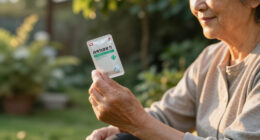
Medications are often the trickiest part of daily independence. A clearly labeled weekly pill organizer helps your parent keep track of doses, but understanding why this matters involves recognizing the risks of medication errors. Missed doses can lead to health deterioration, while double dosing can cause adverse effects. These mistakes often happen due to confusion, memory lapses, or complex routines.
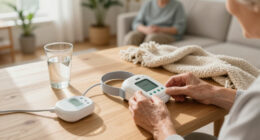
Pairing this with a printed medication schedule that aligns with their daily routine encourages consistency. Using alarms or reminders—such as a clock, phone alert, or automated dispenser—adds an extra layer of safety by reducing reliance solely on memory. This minimizes errors, especially if your parent has multiple medications or cognitive challenges.
Magnifiers or large-print labels help those with visual impairments; however, it’s also crucial to consider the storage environment. Ensuring medicines are stored safely but accessible helps prevent accidental ingestion by children or pets, while also making it easier for your parent to take medications correctly. Regularly reviewing medications with a pharmacist ensures compatibility and safety, especially if new prescriptions are added or routines change.
By simplifying medication routines and incorporating dependable tools, you help your parent maintain health and independence while reducing dangerous mistakes that could lead to emergencies or hospital visits.
As an affiliate, we earn on qualifying purchases.
Making the Bathroom Safer Without Turning It Into a Fortress
The bathroom is a common accident hotspot, but small, thoughtful modifications can significantly reduce fall risks. Installing nonslip bath mats and textured strips creates safer surfaces, but it’s important to recognize that these are only part of a comprehensive approach. For example, textured strips can wear out or become loose, so regular inspection is necessary. Choosing high-quality mats and secure adhesives reduces hazards over time.
Sturdy grab bars are essential, but their placement and secure installation into wall studs or appropriate anchors are critical. Improperly installed grab bars may give a false sense of security. Inside the shower, a shower chair or transfer bench provides stability, especially for those with limited strength or balance issues, but it’s important to consider the user’s comfort and ease of transfer. Handheld showerheads facilitate rinsing without excessive movement, which can prevent slips and fatigue.
Raised toilet seats and safety frames help with sitting and standing, but they should be adjusted to the user’s height for maximum benefit. Using long-handled grooming tools minimizes bending, reducing fall risk during routine tasks. Keeping all these tools within easy reach avoids the need to stretch or lean dangerously, which could lead to falls.
Remember: the effectiveness of these modifications depends on proper installation and regular maintenance. Combining environmental adjustments with vigilant safety practices creates a home environment that supports confidence and reduces injury risk, without making the space feel clinical or unwelcoming.
medication reminder system for seniors
As an affiliate, we earn on qualifying purchases.
As an affiliate, we earn on qualifying purchases.
Frequently Asked Questions
What are the five best items to buy first?
Many families start with a personal emergency-response device, bathroom grab bars or a shower seat, motion-activated night-lights, a medication reminder system, and a reacher. Prioritizing these essentials addresses immediate safety concerns and creates a foundation for further adjustments. Investing in these items means you’re tackling the most common hazards first, which can significantly reduce the risk of falls or emergencies. From here, you can expand and customize based on your parent’s evolving needs and specific risks, ensuring the support remains practical and manageable.
How much should a starter kit cost?
The cost varies widely. Basic low-tech aids like grab bars and pill organizers are inexpensive but essential. Automated dispensers or monitored alert systems can be more costly, sometimes with ongoing subscription fees. It’s important to balance safety needs with budget constraints; starting with affordable, high-impact items allows you to build a safety net over time without overwhelming expenses. Prioritize critical tools first, then gradually add more advanced technology if needed. Remember, the goal is to create an effective safety environment without financial strain, and many simple solutions are both affordable and highly effective.
How do I know which aids my parent needs?
Observing daily routines and discussing challenges helps identify specific needs. Recent falls or near-misses highlight hazards that require attention. A home assessment by an occupational therapist can provide expert insights into environmental risks and appropriate modifications. Consider your parent’s strength, mobility, and cognitive abilities—these factors influence the suitability of different aids. For example, a person with limited balance might need more grab bars and a shower chair, while someone with visual impairments benefits from high-contrast labels. Tailoring solutions ensures the aids are effective, accepted, and used consistently, ultimately supporting safety and independence.
What if my parent refuses to use the equipment?
Address their concerns by involving them in the selection process and explaining how each aid improves safety and comfort. Demonstrate how the equipment works and relate it directly to their daily routines to foster understanding and acceptance. Framing aids as tools that support independence rather than symbols of incapacity can reduce resistance. Start with one or two simple devices, and gradually introduce others as they see the benefits. Patience and respectful communication are key—over time, they may become more comfortable with using the equipment, especially if it genuinely makes their daily life easier and safer.
Are smartwatches enough for emergencies?
Smartwatches can be effective if your parent reliably wears and maintains them, especially if they include fall detection and emergency call features. However, their effectiveness depends on consistent usage, battery life, and reliable network coverage. For some, dedicated monitored systems or emergency response devices may provide more reassurance, as they are designed specifically for safety and often include professional monitoring. Combining a smartwatch with other safety measures creates a layered approach—maximizing protection while respecting your parent’s comfort and preferences. Ultimately, the choice should reflect their lifestyle, comfort with technology, and specific safety needs.
As an affiliate, we earn on qualifying purchases.
Conclusion
A well-thought-out starter kit balances safety with respect for your parent’s independence. It’s about empowering them to live confidently — with the right tools, environmental tweaks, and a little planning. Every small change adds up to a safer, more comfortable home.
Remember, the best support reflects your parent’s unique needs and routines. Keep it simple, stay involved, and revisit your plan regularly. That’s how you help them stay safe on their own terms — truly living their best life at home.
Flea & tick season Picks
flea and tick prevention
As an affiliate, we earn on qualifying purchases.