TL;DR
Listen free for 30 days with Audible
Thousands of audiobooks and originals — cancel anytime.
Start your free trialAs an affiliate, we earn on qualifying purchases.
Fall detection devices, whether watches or pendants, use sensors and connectivity to alert others after a fall. Modern options are more accurate, discreet, and connected than ever, but choosing the right one depends on your lifestyle, budget, and safety priorities.
Choose a device with over 90% detection accuracy to reduce false alarms.
Decide between a watch and pendant based on style, comfort, and feature needs.
Prioritize water resistance and battery life for daily wear and convenience.
Modern devices use AI to better distinguish falls, minimizing unnecessary alerts.
Matching features with your lifestyle ensures safer, more confident independence.
What Makes a Fall Detection Device Stand Out?
Fall detection isn’t just about sensing a fall; it’s about catching it accurately. Modern devices use accelerometers and gyroscopes—tiny sensors that measure sudden movements and orientation changes. But why does this matter? Because even with advanced sensors, the challenge lies in differentiating a genuine fall from ordinary activities like sitting down quickly or bending over. Accurate detection reduces false alarms, which can cause unnecessary panic or lead to alarm fatigue, where genuine falls might be ignored. Devices with over 90% accuracy, often enhanced with smart algorithms and machine learning, are better at making this distinction, leading to fewer false positives and more reliable safety. The implications are significant: a device that accurately detects falls can mean faster emergency response, potentially saving lives, while reducing the frustration and inconvenience caused by false alerts.
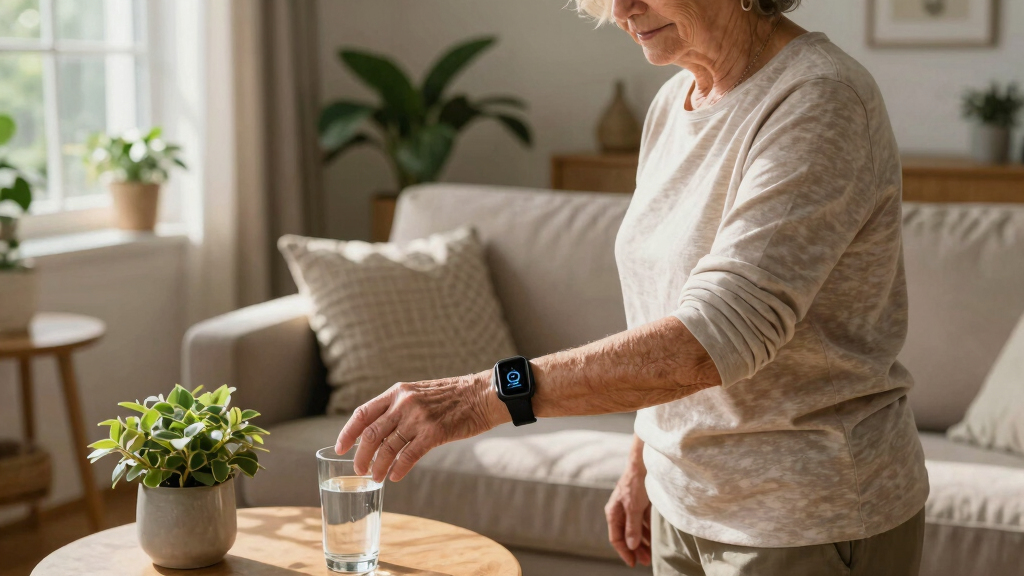
fall detection smartwatch for seniors
As an affiliate, we earn on qualifying purchases.
As an affiliate, we earn on qualifying purchases.
Should You Choose a Watch or a Pendant? Pros and Cons in Real Life
| Feature | Watch | Pendant |
|---|---|---|
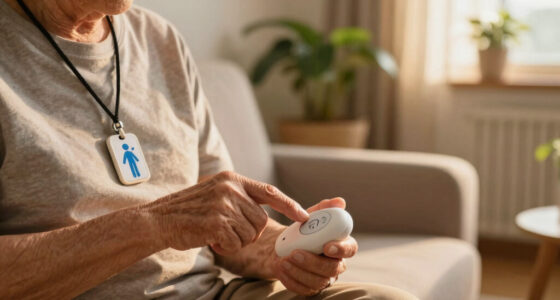
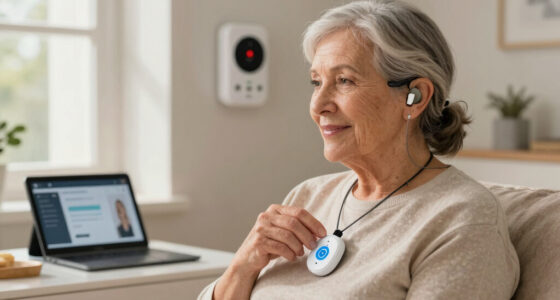
| Design & Comfort | More stylish, can be worn daily, some models look like regular watches. This can encourage consistent use, especially if the wearer is accustomed to wearing a watch, making it a seamless part of daily attire. | Discreet, worn around the neck or on a chain, less obvious as a safety device. Its jewelry-like appearance can be less stigmatizing, which is important for users who prefer not to draw attention to their safety device, but might be less convenient for quick access or reading information. |
| Features | Often includes GPS, larger screens, more buttons, and additional functions. These extra features can be useful for outdoor activities or for users who want multi-functionality, but they may also add complexity or bulk. | Primarily focus on alerting; some include GPS or manual call buttons. While simpler, these devices often prioritize ease of use and comfort, which can improve daily compliance but might lack advanced features for outdoor navigation. |
| Ease of Use | Large display, easy to read, quick access buttons. This makes them suitable for users with visual impairments or dexterity issues, but the complexity of features may require some learning curve. | Simple, with a single button or automatic detection. Their minimalism reduces user error and enhances reliability, especially for users with cognitive impairments or limited tech experience. |
| Water Resistance | Varies; some are waterproof, suitable for swimming or bathing. This flexibility means users can wear them continuously without concern, which is critical for consistent safety coverage. | Usually less water-resistant; check specs. Limited water resistance may necessitate removing the device during certain activities, risking inconsistent wear and safety coverage. |
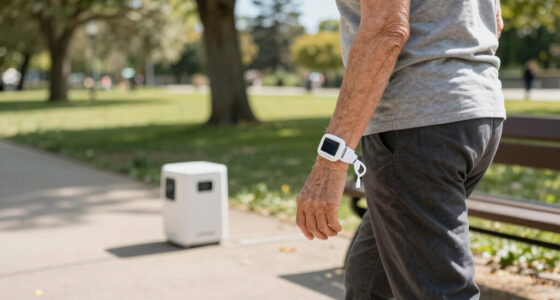
Imagine a busy retiree wearing a sleek watch during walks — the GPS and display help locate them quickly, and its familiarity encourages regular use. Conversely, an older adult wearing a pendant that blends into their jewelry might feel more comfortable and less stigmatized, but they need to remember to wear it consistently for optimal safety. The choice impacts daily habits, convenience, and ultimately, safety effectiveness.
As an affiliate, we earn on qualifying purchases.
Key Features to Match Your Lifestyle and Safety Needs
- Automatic Fall Detection: Sensors that trigger alerts without user input. This feature is crucial for users who might be unable to press a button after a fall, such as those with mobility or cognitive impairments. The tradeoff is that false positives can occur if the sensors misinterpret quick movements as falls, so choosing a device with proven accuracy is vital.
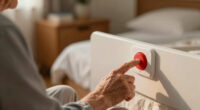
- Manual Call Button: For those who prefer to activate help intentionally, providing control and reassurance. However, it relies on the user remembering to press the button, which might not be feasible during a fall or emergency. Combining manual and automatic detection offers a balanced approach, increasing safety without over-reliance on one method.
- GPS Tracking: Vital for outdoor activities or if mobility is limited. GPS enables precise location sharing, which can significantly reduce emergency response times. The tradeoff includes increased battery consumption and potential privacy concerns, so users should weigh the importance of location accuracy versus device longevity and data security.
- Connectivity: Cellular (LTE/4G), Wi-Fi, or Bluetooth; cellular offers independence. Cellular connectivity allows the device to operate independently of a smartphone, making it more reliable for outdoor or remote use, but it often comes with higher costs and battery drain. Wi-Fi and Bluetooth are more energy-efficient but depend on other devices or networks, impacting reliability in certain scenarios.
- Battery Life: From 24 hours to several days—consider your routine. Longer battery life reduces the frequency of charging, ensuring continuous protection, but may involve larger or heavier batteries. Shorter battery lives require more diligent charging routines, which can be inconvenient but allows for more compact device designs.
- Water Resistance: Needed if you plan to wear during bathing or swimming. Water resistance ensures the device remains functional in wet conditions, which is essential for continuous safety coverage. However, higher water resistance often increases device cost and complexity, so balance your needs accordingly.
For example, if you love morning walks in the park, a device with GPS and cellular connectivity ensures help arrives at your exact location, and you can stay independent outdoors. If you prefer a simple device for indoors, a manual button and good battery life might be sufficient, reducing complexity and cost. Matching features to your routine ensures reliable safety support tailored to your lifestyle.
As an affiliate, we earn on qualifying purchases.
Latest Tech Trends That Make Fall Detection Smarter
Technology is evolving fast. AI and machine learning now help distinguish real falls from everyday movements, cutting false alarms. This advancement means devices can learn individual movement patterns, reducing misinterpretations that often lead to unnecessary alerts. For users, this translates into fewer false positives, which enhances trust in the device and encourages consistent wear. Additionally, integration with smart home systems—like automatic lighting or voice assistants—creates a more comprehensive safety ecosystem, making fall detection part of a broader safety network. This interconnected approach not only improves response times but also provides peace of mind, knowing that your environment actively supports your safety.
Designs are sleeker, more discreet, and more comfortable, encouraging consistent wear. The improved aesthetics and comfort mean users are more likely to wear the device regularly, which is critical for effective fall detection. Security enhancements—like advanced encryption—ensure that sensitive location and health data remain private, addressing privacy concerns that might otherwise hinder adoption. Overall, these innovations make fall detection devices more reliable, user-friendly, and integrated into daily life, helping users feel safer without sacrificing convenience or privacy.
As an affiliate, we earn on qualifying purchases.
How to Pick the Right Device for You or a Loved One
- Assess needs: Consider mobility, health conditions, daily routines. Understanding specific risks helps prioritize features like GPS, manual alerts, or automatic detection, ensuring the device matches real safety needs rather than a generic solution.
- Test comfort: Wear for a day—does it feel bulky or uncomfortable? Comfort impacts daily compliance; if a device causes discomfort, it’s less likely to be worn consistently, reducing its effectiveness in emergencies.
- Research certifications and reviews: Look for reputable brands with positive feedback. Certifications like UL or FDA approval can indicate reliability, while user reviews reveal real-world performance, durability, and ease of use, helping you avoid costly mistakes.
- Decide on monitoring: Do you want alerts sent directly to family, or professional monitoring services? Professional monitoring can provide immediate response, but at a higher cost and potential privacy tradeoffs. Personal alerts to family members may be sufficient for some, offering control and reassurance without ongoing fees.
- Set budget: Devices range from $50 to $500; higher-end models offer more features and reliability. Balancing cost with needed features ensures you invest in a device that provides genuine safety benefits without overspending on unnecessary extras.
For example, a senior who loves outdoor gardening might prioritize GPS and cellular, while someone mainly indoors might prefer simplicity and longer battery life. Matching the device’s capabilities with lifestyle patterns maximizes safety and user satisfaction, ensuring the device becomes a trusted part of daily life rather than an overlooked gadget.
Top Tips for Making Your Choice Stress-Free
- Try on the device first—comfort is key. A comfortable fit encourages consistent wear, which is essential for reliable fall detection and quick response in emergencies.
- Check reviews for real-world performance. User feedback can reveal how well the device performs under daily conditions, highlighting potential issues like battery life or false alarms.
- Ensure it’s water-resistant if needed. Water resistance allows continuous wear during bathing or outdoor activities, reducing the risk of accidental removal and gaps in safety coverage.
- Think about how you’ll wear it daily—style matters. A device that looks good and suits your personal style is more likely to be worn regularly, ensuring safety features are always active.
- Decide if you want professional monitoring or just alerts to family. Professional monitoring provides immediate emergency response, which can be critical in severe fall situations, while alerts to family members may suffice for less urgent needs.
Imagine feeling confident that help is just a button away, whether you’re cooking dinner or taking a morning walk. The right device not only enhances safety but also seamlessly integrates into your daily routine, giving you peace of mind and encouraging independence.
Frequently Asked Questions
How does fall detection technology actually work?
It uses tiny sensors called accelerometers and gyroscopes to detect sudden movements typical of a fall. When these sensors register a rapid change, the device automatically triggers an alert to caregivers or emergency services.Are fall detection devices reliable enough for everyday use?
Most modern devices have detection accuracy above 90%. Advances in AI help reduce false alarms, but no device is perfect. It’s best to choose one with proven performance and good reviews.Should I pick a watch or a pendant?
It depends on your lifestyle. Watches are often more feature-rich and stylish, suitable for daily wear. Pendants are discreet and blend into jewelry, making them less noticeable but possibly more comfortable for some users.Can I wear these devices during swimming or bathing?
Only if the device is water-resistant or waterproof. Always check the product’s specifications to ensure it’s safe for water activities.What’s the most important feature to consider?
Prioritize detection accuracy, connectivity, and comfort. A device that fits your routine and is easy to wear will be used consistently, providing the best safety net.Conclusion
Picking the right fall detection device isn’t about bells and whistles; it’s about what fits your life best. A discreet pendant or a stylish watch can both serve as your safety net—choose what feels right, and wear it with confidence. After all, safety is a daily choice, and the right device makes it easier to stay active and independent.Evergreen bestsellers Picks
bestsellers
As an affiliate, we earn on qualifying purchases.