TL;DR
Open a free Amazon Business account
Business pricing, bulk buying and tax-exempt orders.
Create a free accountAs an affiliate, we earn on qualifying purchases.
Talking with a parent about a medical alert can be delicate, but framing safety as care helps. Stay informed about new tech options and approach the subject with kindness and respect. It’s about supporting their independence, not taking it away.
Bringing up the idea of a medical alert with a parent can feel like walking a tightrope. You want their safety, but you don’t want to seem like you’re questioning their independence. The trick is approaching the conversation with compassion and clear facts. When done right, it’s a gift of peace of mind—yours and theirs.
This guide will help you understand what to consider, how to frame the talk, and what recent tech advances can sway their decision. It’s about making your parent feel supported, not pressured.
Recognize signs like frequent falls or dizziness as cues to discuss safety tools.
Choose a calm, supportive environment for the conversation, emphasizing love and care.
Explain modern medical alert systems with vivid, relatable language, highlighting discreet design and automatic features.
Use comparison tables to show how recent tech advances improve safety and convenience.
Involve healthcare providers to strengthen trust and help tailor the right system.
How to Recognize When Your Parent Might Need a Medical Alert
If your parent has started taking longer to get up after a fall, complains of dizziness, or lives alone with limited mobility, it might be time to consider a medical alert system. These signals aren’t signs of incapacity—they’re signs of care.
Imagine your parent slipping on a wet kitchen floor but not being able to get up. A medical alert could mean the difference between a minor scare and a serious injury. Recognizing these moments helps you decide when to bring up safety tools.
As an affiliate, we earn on qualifying purchases.
Plan Your Conversation: When, Where, and How to Keep It Calm
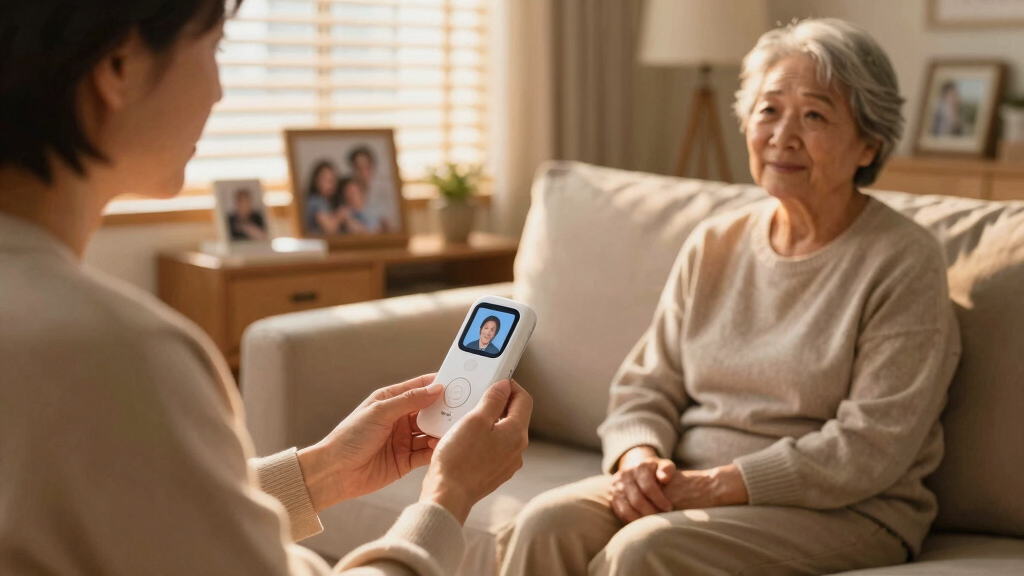
Pick a quiet, relaxed moment—maybe over coffee or during a walk—when stress levels are low. Avoid rushed mornings or busy weekends. A calm environment helps your parent listen without feeling defensive.
Start by expressing concern, not suspicion. For example, “I’ve noticed you’ve been a bit unsteady lately, and I worry about your safety.” Keep your voice gentle, and focus on love and support, not on limitations.
fall detection medical alert device
As an affiliate, we earn on qualifying purchases.
As an affiliate, we earn on qualifying purchases.
How to Explain What a Medical Alert System Is Without Confusing Them
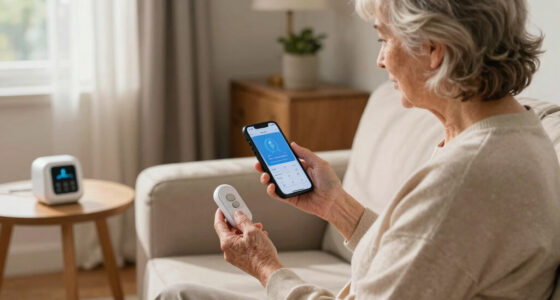
- Describe it as a small device, like a pendant or bracelet, that can call for help at the press of a button.
- Explain that it connects to a monitoring center 24/7, so help arrives quickly, even if they can’t reach a phone.
- Share that recent models include GPS, fall detection, and smartphone apps, making them smarter and less intrusive.
For example, “It’s like having a safety buddy around your neck that calls for help whenever you need it, without you having to do anything complicated.”
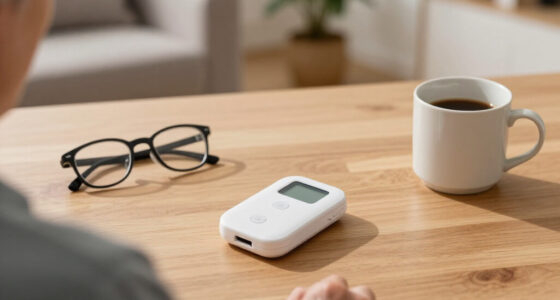
Modern systems are sleek, lightweight, and easy to wear—almost like jewelry.
As an affiliate, we earn on qualifying purchases.
Compare Old and New Medical Alert Features to Show What’s Better
| Feature | Traditional System | Modern System |
|---|---|---|
| Design | Button on a bulky pendant | Discreet, stylish jewelry-like device |
| Fall Detection | Not included | Automatically detects falls and alerts family or emergency services |
| Connectivity | Landline only | Cellular, GPS, and smartphone integration |
| Ease of Use | Press button in an emergency | Voice commands, automatic alerts, mobile app |
This comparison shows how tech advancements make modern systems more seamless and less stigmatizing. Your parent might feel more comfortable with a device that looks like jewelry and works automatically.
As an affiliate, we earn on qualifying purchases.
Address Common Concerns: Privacy, Cost, and Dignity
Many worry about privacy or feeling embarrassed. Modern devices are designed to be discreet and respect dignity. They look like stylish jewelry, not medical gear.
Cost is another concern. Basic plans start around $20-$50 a month, and some insurance or Medicaid options may help cover the expense. Think of it as investing in peace of mind—an affordable safety net.
And reliability? Recent studies show these systems respond within seconds, even in rural areas, reducing the risk of serious injury or hospitalization after a fall.
How to Encourage Your Parent to Try It Without Making Them Feel Like You’re Taking Away Their Independence
Focus on the benefits: safety, quick help, and peace of mind. Frame it as a support tool, not a restriction.
Offer a trial period—say, a month—so they can see how easy it is to use and how it might help in real situations.
Share stories of others who started hesitant but now feel more secure. Use real examples to make it relatable.
For example, “Many seniors are surprised how simple it is, and how it keeps them connected without feeling tied down.”
Involving Healthcare Providers for Extra Support
Suggest they talk to their doctor about the system. Many healthcare providers are familiar with these devices and can recommend the best options based on your parent’s health.
Some systems even sync with health monitoring devices or medication reminders—adding extra layers of safety.
This collaboration makes your parent more likely to accept and use the system confidently.
Frequently Asked Questions
When should I consider getting a medical alert system for my parent?
When they experience frequent falls, health concerns, or live alone with limited mobility, a medical alert can provide quick help in emergencies. Watch for signs like longer recovery times or hesitation in responding to falls.
How do I choose the right system for my parent?
Think about their lifestyle, health needs, and comfort. Read reviews, compare features like GPS or fall detection, and consider their preference for style and ease of use. A trial period can also help them get comfortable with it.
Are medical alert systems covered by insurance?
Coverage varies. Some Medicare Advantage plans or Medicaid waivers may help, but most systems are paid out-of-pocket. Weigh the cost against the safety and peace of mind it provides.
Will my parent find the system intrusive or embarrassing?
Modern devices are sleek and look like jewelry or accessories, not medical gear. They’re designed to be discreet and respect dignity, making them less intrusive than older models.
How do I start the conversation without offending them?
Frame it as a way to support their independence and show your love. Use gentle language, share concerns kindly, and involve them in choosing the right device. Focus on safety as a caring choice, not a restriction.
Conclusion
Talking about a medical alert isn’t about taking away independence—it’s about adding a safety net wrapped in love. When you approach with kindness and facts, your parent will see it as a caring step, not a restriction.
Imagine a future where they feel secure enough to enjoy life’s moments, knowing help is just a button away. That peace of mind is worth the gentle conversation—start it with warmth, support, and clear info.
Flea & tick season Picks
flea and tick prevention
As an affiliate, we earn on qualifying purchases.