TL;DR
Open a free Amazon Business account
Business pricing, bulk buying and tax-exempt orders.
Create a free accountAs an affiliate, we earn on qualifying purchases.
Medical alert lockboxes enable emergency responders to access homes quickly using keys or codes, avoiding property damage. They improve response times and security, especially for vulnerable residents. Modern smart versions add remote access and monitoring.
Imagine a fire breaking out or someone collapsing inside, and responders have no way in because the door is locked. That moment of delay can be dangerous. Medical alert lockboxes solve this problem by providing quick, secure access without forcing entry. They’re a simple tool with a big impact, especially for seniors or those with health issues who need fast help.
In this guide, you’ll learn how these devices work, what features to look for, and how they keep both residents and responders safe. Whether you’re a family member, caregiver, or emergency worker, understanding these lockboxes can make all the difference in an urgent situation.
Medical alert lockboxes help responders access homes quickly, reducing response times and property damage.
They come in traditional and smart versions, each offering different levels of convenience and security.
Choosing the right lockbox depends on weather resistance, ease of use, and compliance with local laws.
Proper placement and management are key to maximizing safety and effectiveness.
Emerging smart technology is making lockboxes more connected, monitored, and adaptable for future needs.
Medical Alert Lockboxes: How Responders Get In Without Breaking a Door
A secure key or access code outside the home can remove a dangerous barrier between a vulnerable resident and urgent care. The right lockbox helps authorized responders enter quickly—without a forced door, broken frame, or avoidable delay.
Potential reduction in emergency access time cited in studies of lockbox-enabled response.
From basic mechanical boxes to connected models with monitoring and audit trails.
Authorized access without forcing the primary entry door.
Three ways responders retrieve entry
The best method is the one local responders recognize, authorized people can manage, and residents can maintain. Each option trades simplicity, oversight, connectivity, and security differently.
Physical key
Authorized personnel open the box and retrieve a stored house key. It is direct, familiar, and does not depend on power or a network.
Simple operation / key custody mattersCombination code
A mechanical or electronic keypad releases the compartment. Codes can be shared through an approved dispatch or care protocol.
Fast access / rotate shared codesSmart authorization
An app, Bluetooth, Wi-Fi, or secure platform enables remote release, alerts, and a record of who accessed the lockbox and when.
Maximum oversight / needs a backup planTraditional or smart?
Traditional boxes suit straightforward, lower-cost needs. Smart models add remote control and accountability, but depend on correct setup, cybersecurity, power, and connectivity.
| Feature | Traditional lockbox | Smart lockbox |
|---|---|---|
| Access method | Physical key or keypad | App, Bluetooth, Wi-Fi, or electronic credential |
| Remote unlocking | ✗ Not available | ✓ Available on supported models |
| Access history | ✗ No automated log | ✓ Time-stamped audit trail |
| Connectivity need | ✓ None | ~ Model-dependent |
| Setup | Usually simple DIY mounting | Mounting plus account and device configuration |
| Best fit | Basic emergency key access | Caregivers, facilities, or multi-user oversight |
Availability varies by product and local emergency protocol. Confirm that responders in your area can use the selected access method before purchase.
Five features that protect both speed and security
A lockbox cannot help if weather jams it, responders cannot identify it, or unauthorized people can defeat it. Evaluate the full system—not only the locking mechanism.
Weather resistance
Choose corrosion-resistant materials and a protected mechanism suited to local rain, snow, heat, and sun exposure.
Tamper resistance
Look for hardened construction, secure mounting, and a locking design appropriate for an exterior key container.
Responder-friendly access
Controls should be legible and quick to operate under pressure while remaining secure against unauthorized entry.
Accessible but discreet
Use an agreed emergency-access point near the entrance without making the box an obvious target for passersby.
Local compliance
Check fire department, emergency service, property, insurance, landlord, and permitting requirements before installation.
Five steps to dependable access
Installation is more than attaching a box to a wall. The access method, responder protocol, code management, and maintenance routine all need to work together.
Choose
Match security, weatherproofing, access type, and budget.
Confirm
Ask local responders which devices and protocols they support.
Position
Select a discreet, reachable point near the designated entrance.
Secure
Mount to a solid surface and load only the required access item.
Test
Verify opening, update records, and schedule routine checks.
Never leave an access code in an unsecured note, message thread, or visible location. Use the approved local process for registering or communicating credentials.
More technology means more oversight—and more dependencies
Connected features can improve visibility for families and caregivers, but the emergency plan should still account for dead batteries, service interruptions, lost phones, and account access problems.
Monitoring capability
Conceptual comparison based on typical capabilities; individual products differ.
Simplicity to connected control
few dependencies Combination
managed sharing Smart access
remote oversight
The most advanced option is not automatically the safest; fit depends on responder compatibility and responsible management.
How a lockbox turns an alert into access
The device is one link in a chain. The strongest setup connects a verified alert, authorized credential, successful entry, and documented follow-up.
Alert received
A medical alert system, caller, caregiver, or neighbor requests help.
Authority confirmed
Dispatch or an approved protocol identifies authorized responders.
Credential used
A key, combination, or digital authorization opens the lockbox.
Care begins
Responders enter without forced-door damage and secure the home afterward.
Obtain the property owner’s authorization, verify local rules, register the device where required, limit credential access, and retest it after code changes, battery replacement, severe weather, or changes in the resident’s care plan.
What is a medical alert lockbox and why does it matter?
A medical alert lockbox is a small, secure container mounted outside a home, designed to hold keys or access codes. When responders arrive, they open the lockbox to get inside without breaking down the door. This simple device saves time, prevents property damage, and ensures help gets in fast.
Why does this matter? Because in emergencies, every second counts. If responders have to force entry, it delays aid and risks property damage, which can be costly and traumatic. A lockbox streamlines access, enabling quicker medical intervention and reducing the stress on residents. However, choosing the right lockbox involves understanding the balance between security and accessibility; a lockbox too easy to open can be a security risk, while one that’s too complex might delay responders. The implications extend to legal considerations, as improper placement or insecure systems can lead to liability issues. Therefore, selecting a high-quality, compliant lockbox and installing it thoughtfully is crucial for ensuring it serves its purpose effectively without introducing new vulnerabilities.

JUYANO Smart Key Lock Box, TTLock App Controlled, Bluetooth & PIN Unclock
- App-Controlled Access Management: Manage permissions and view records
- Multiple Unlock Methods: PIN, app, or shared eKeys
- Flexible Access Options: Scheduled, one-time, or permanent
As an affiliate, we earn on qualifying purchases.
As an affiliate, we earn on qualifying purchases.
How do emergency responders access a lockbox? 3 common methods
- Physical key inside: Responders use a provided key to open the box, then retrieve the house keys. This method relies on a physical key stored securely, which must be managed carefully to prevent theft or loss. The tradeoff is simplicity versus risk; a physical key is straightforward but vulnerable if not stored properly.
- Combination code: A preset code opens the lockbox’s keypad, granting quick access. This method offers convenience and can be changed regularly to enhance security. However, if the code is shared insecurely or discovered, it compromises safety. Regularly updating codes and choosing complex combinations can mitigate this risk.
- Electronic/smart lockboxes: These connect to apps or remote systems, allowing responders to unlock them digitally. They provide the highest flexibility, enabling remote access and audit trails to track who accessed the box and when. The tradeoff involves reliance on technology and network connectivity; if the system fails or is hacked, access can be compromised. Proper cybersecurity measures and backup plans are essential to maximize their benefits.

Populife Smart Fingerprint Lock Box for Keys with Code, Wireless Remote Access Key Lock Box for Outside, Digital Key Lockbox for Realtor Airbnb, Work Offline
- Storage for Keys and Access Cards: Securely store spare keys and cards
- Multiple Unlock Methods: PIN, App, fingerprint, NFC, mechanical key
- App Management: Control and monitor via POPULIFE app
As an affiliate, we earn on qualifying purchases.
As an affiliate, we earn on qualifying purchases.
Traditional vs. smart lockboxes — which one suits you best?
| Feature | Traditional Lockbox | Smart Lockbox |
|---|---|---|
| Access method | Physical key or keypad | Remote app, Bluetooth, or Wi-Fi |
| Security | Tamper-proof, lockable | Encryption, audit logs, remote control |
| Setup | Simple, DIY installation | Requires Wi-Fi or Bluetooth setup |
| Monitoring | None | Can track access history |

SANIDIKA Lockable Storage Box,Medicine Lock Box,Medical Lockbox,Cell Phone Locked Jail,Refrigerator Snack Food Safe Containers Bin for Personal Items,Home Office Organization,Travel Case,Gift (Navy)
- Discreet Compact Design: Sleek 9.25" x 5" x 3.6" size
- Secure Password Setting: Turn dial from 0 to 1 or 2
- Versatile Storage Use: Ideal for meds, phones, and personal items
As an affiliate, we earn on qualifying purchases.
As an affiliate, we earn on qualifying purchases.
What makes a good medical lockbox? 5 must-have features
- Weather-resistant materials: Protects against rain, snow, and sun. This matters because exposure to the elements over time can weaken the container or compromise the locking mechanism, leading to potential failures when you need it most. A durable, weatherproof lockbox ensures reliable access regardless of climate, reducing the risk of malfunction during emergencies.
- Secure locking mechanism: Prevents unauthorized access. The security of the lock is crucial because a compromised lockbox defeats its purpose, allowing intruders or vandals to access sensitive keys or codes. Using high-quality locks with tamper-proof features helps maintain trust that only authorized responders can open it, preserving residents’ safety and privacy.
- Easy for responders to open: Large, clear combination or quick remote control. In emergencies, responders need to access the contents swiftly and without confusion. A lockbox with an intuitive, large keypad or a reliable remote control minimizes delays, which can be life-saving. However, ease of access must be balanced with security; overly simple systems risk unauthorized access, so selecting a system with a secure yet user-friendly interface is key.
- Discreet placement: Hidden from plain sight but accessible in emergencies. Proper placement ensures the lockbox isn’t a target for theft or vandalism, yet remains accessible when needed. Strategic positioning—like behind a plant or near a feature that doesn’t draw attention—can prevent tampering while still enabling quick access for responders.
- Compliance with local standards: Meets safety and security regulations. Ensuring the lockbox adheres to local laws reduces legal risks and guarantees that it’s suitable for the environment. Non-compliance could lead to legal issues or invalidation of insurance claims if the device fails during an emergency. Researching local requirements and choosing certified products help maintain safety standards and peace of mind.
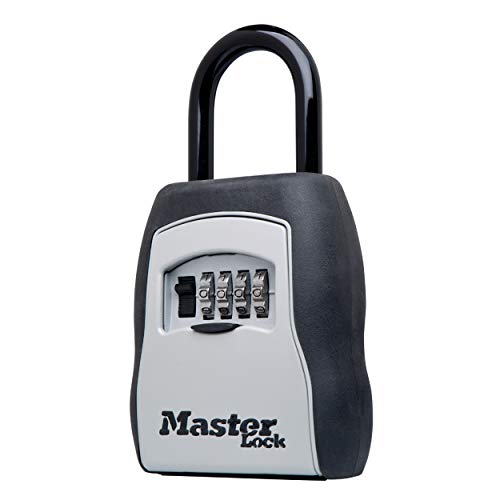
Master Lock Portable Key Lock Box, Combination Lock Box Holds 5 Keys 5400EC
- Spare Key Storage Capacity: Holds up to 5 keys
- Weather-Resistant Design: Durable metal body with protective shutter
- Resettable 4-Digit Code: Customizable access with no keys needed
As an affiliate, we earn on qualifying purchases.
As an affiliate, we earn on qualifying purchases.
Installing a lockbox: 5 easy steps for peace of mind
- Choose the right model: Consider security, weatherproofing, and access method. Selecting a model that fits your environment and needs ensures durability and ease of use during emergencies, reducing frustration or delays.
- Select a discreet location: Near the front door or side entry, out of plain sight. Proper placement prevents theft or vandalism while maintaining quick access for responders. Avoid obvious spots that could be targeted or hidden areas that might delay access.
- Follow the manufacturer’s instructions: Proper placement and locking are essential. Incorrect installation can compromise security or accessibility, defeating the device’s purpose. Carefully read and follow all guidelines to ensure it functions reliably when needed.
- Share access info responsibly: Keep codes or keys with trusted responders or family. Distributing access details securely minimizes the risk of unauthorized use while ensuring responders can act swiftly in emergencies.
- Test the system: Ensure responders can open it easily and securely. Regular testing helps identify potential issues before an emergency occurs, allowing adjustments to be made for optimal performance when seconds matter. For example, a family installing a keypad lockbox by the side gate can test it with a responder to confirm quick access in an emergency. Periodic testing and updates are crucial for maintaining trust and functionality.
Legal and safety tips: what you must know
Most jurisdictions require property owners to authorize lockbox installation. Check local laws before installing. Proper management includes keeping access codes confidential and updating them regularly. Avoid placing lockboxes where they can be easily stolen or vandalized.
Why does this matter? Because legal compliance ensures your installation is valid and reduces liability. Regularly updating access codes prevents unauthorized entry if codes are compromised. Secure placement away from public view or vandal-prone areas minimizes theft or damage, maintaining both safety and legal integrity. For example, some areas mandate permits for lockbox installation or specify approved lockbox types. Always follow these rules to avoid legal issues and ensure responders can rely on your setup.
The future of medical lockboxes: smarter, safer, more connected
Technology is making medical lockboxes more sophisticated. Smart lockboxes now offer remote unlocking, access logs, and real-time alerts. These features not only improve security but also enhance emergency response efficiency. For instance, access logs can help verify whether responders arrived and accessed the property, which is useful for accountability and troubleshooting. Real-time alerts notify caregivers or family members if the lockbox is accessed unexpectedly, providing peace of mind and a quick response if tampering occurs. Some systems even integrate with medical records or emergency systems, allowing responders to access vital health information instantly, which can be critical in life-threatening situations. The implication of these advancements is a more connected and responsive safety system, reducing delays, improving oversight, and providing a comprehensive approach to emergency preparedness. However, reliance on technology introduces new risks, such as hacking or system failures, emphasizing the need for secure setup and backup plans.
For example, a smart lockbox linked to a health app could alert family members if it’s accessed unexpectedly, or allow emergency responders to unlock remotely during a crisis, speeding up aid and reducing stress for caregivers.
Frequently Asked Questions
How do emergency responders access a medical lockbox?
Responders typically use a key or combination code provided beforehand. Some smart lockboxes allow remote unlocking via secure apps, making access faster and more flexible during emergencies.Are medical lockboxes secure against theft or tampering?
Yes, especially models with tamper-proof designs, encrypted codes, and audit logs. Proper placement and regular updates of access info also help maintain security.Can I install a lockbox myself, or do I need professional help?
Most lockboxes are designed for easy DIY installation, following manufacturer instructions. However, checking local regulations and ensuring proper placement is recommended for maximum safety.What factors should I consider when choosing a lockbox?
Prioritize security features, weather resistance, ease of access for responders, and legal compliance. Also, think about whether you prefer traditional or smart technology based on your needs.Are there legal restrictions on using a lockbox in my area?
Regulations vary by location. Some regions require permits, or have specific rules about lockbox types and placement. Always verify local laws before installation to stay compliant.Conclusion
Medical alert lockboxes are small but mighty tools that provide peace of mind—saving precious seconds in emergencies and protecting property. Think of them as a secret handshake between residents and responders, ensuring help can always get in when it’s needed most.
Investing in the right lockbox, installing it thoughtfully, and keeping access secure could be the difference between life and delay. When seconds count, a simple lockbox becomes a vital link in your safety chain.
College move-in / dorm season Picks
dorm essentials
As an affiliate, we earn on qualifying purchases.