
TL;DR
Open a free Amazon Business account
Business pricing, bulk buying and tax-exempt orders.
Create a free accountAs an affiliate, we earn on qualifying purchases.
HAC stands for Hearing Aid Compatibility, ensuring phones work smoothly with hearing aids. The ratings (M and T) show how well a phone reduces interference. Recent tech advances make finding compatible phones easier and more effective.
Have you ever struggled to hear your phone clearly, even with a hearing aid? That frustration isn’t just in your head. It’s tied to whether your phone is designed to work well with hearing aids. The term Hearing Aid Compatible (HAC) pops up often, but what does it really mean for you? If you rely on hearing aids, understanding HAC can make a big difference in how you communicate daily.
In this guide, you’ll discover what HAC ratings are, how they affect your phone use, and what recent tech changes mean for your accessibility. Knowing this helps you pick the right device and get the clearest sound possible — because communication shouldn’t be a struggle.
Look for HAC ratings, especially M3/T3, when choosing a new phone for the best sound clarity.
Most newer smartphones incorporate features that improve HAC compatibility, but always verify ratings first.
Wireless tech like Bluetooth can bypass interference issues, making many devices more accessible.
Checking FCC databases or manufacturer labels is the easiest way to confirm HAC status.
Upgrading to a HAC-rated phone can significantly reduce static and improve your overall hearing experience.
Hearing Aid Compatible Phones: What HAC Means
TL;DR: HAC stands for Hearing Aid Compatibility. It tells you whether a phone is designed to reduce static, buzzing, and interference when used with hearing aids or cochlear implants.
A clearer call starts with the rating.
Look for M and T scores. Higher numbers mean better compatibility, with M3/T3 offering the strongest everyday clarity for most hearing aid users.
The HAC label is a compatibility signal, not just a sticker.
HAC phones are built and tested to work more smoothly with hearing aids by minimizing electromagnetic interference and improving speech clarity during calls.
M ratings measure acoustic clarity.
M ratings matter when your hearing aid uses its microphone to pick up sound from the phone speaker.
T ratings measure direct signal pickup.
T ratings matter when your hearing aid or cochlear implant uses a telecoil to receive audio with less background noise.
Higher scores mean fewer missed words.
M3/T3 ratings usually deliver the lowest interference, especially in noisy places like streets, offices, and restaurants.
How M and T ratings translate into real-world use.
The score tells you how much static, echo, or buzz you may experience. A higher number means stronger compatibility and more natural phone conversations.
Newer devices are making compatibility easier to find.
Smartphones increasingly combine HAC testing, software tuning, hardware design, and Bluetooth pathways to help users hear calls with less friction.
Less static by design.
Many current phones include enhancements that reduce interference when paired with hearing aids or cochlear implants.
Wireless can bypass the noisy route.
Bluetooth-enabled hearing aids and accessories can stream audio directly, reducing distortion from traditional phone-to-hearing-aid audio paths.
Phone audio
The call signal begins inside the smartphone.
HAC testing
The device is checked for interference and clarity.
M or T route
The signal reaches the microphone or telecoil pathway.
Hearing device
Your aid or implant receives a cleaner signal.
Clearer speech
Fewer missed words and less listening fatigue.
What to check before choosing a phone.
Compatibility is easiest to confirm before purchase. Use labels, manufacturer specifications, FCC databases, and your audiologist’s guidance to avoid guesswork.
If the phone is not HAC-rated
Expect a higher chance of static, echoes, buzzing, or missed words during calls.
If you are not ready to upgrade
Bluetooth adapters, neck loops, or remote microphones may improve sound quality.
If you use a cochlear implant
HAC compatibility still matters because it can reduce interference and improve direct listening.
From label to lived experience.
The rating is a practical bridge between technical testing and everyday communication comfort.
What Exactly Does HAC Mean on Your Phone?
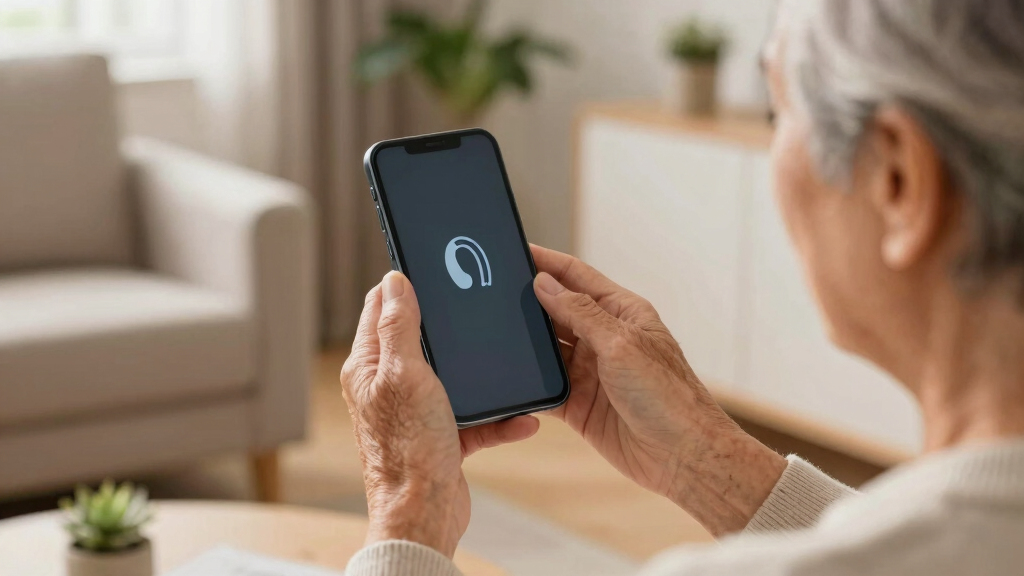
HAC stands for Hearing Aid Compatibility. It’s a label that shows your phone is designed to work better with hearing aids. Think of it as a special handshake between your device and your hearing aid that reduces static, buzzing, and interference.
Phones are rated as M (microphone) or T (telecoil), with levels from 1 to 3. The higher the number, the better the compatibility. For example, a phone rated M3/T3 offers the clearest sound and least interference. It’s like having a smooth, clear conversation without background noise bogging you down.
When you see the HAC label, you know the phone has passed FCC standards, making it more likely to work well with your hearing aids or cochlear implants.
Hearing Aid Compatible smartphones
As an affiliate, we earn on qualifying purchases.
As an affiliate, we earn on qualifying purchases.
Decoding HAC Ratings: What Do M and T Ratings Tell You?
HAC ratings are divided into two categories: M (microphone) and T (telecoil). Each can be rated from 1 to 3, with 3 being the best. But these ratings aren’t just numbers — they reveal how well the device minimizes interference and enhances sound clarity, which directly affects your experience.
For instance, a high M rating (like M3) indicates the phone transmits sound through its microphone with minimal static, essential if your hearing aids primarily use microphone input. Meanwhile, a high T rating (like T3) signifies the phone’s telecoil can pick up signals directly, bypassing background noise and static. This is especially valuable in noisy settings like restaurants or crowded streets, where clarity can otherwise be compromised.
The implications of these ratings go beyond technical specs; they determine how natural and effortless your conversations will be. Choosing a device with high M and T ratings means fewer misunderstandings, less frustration, and a more seamless communication experience. However, tradeoffs exist: higher-rated devices may be more expensive or require specific hearing aid features. Recognizing these nuances helps you select the most suitable device for your needs and environment.
Here’s a quick rundown:
| Rating | Sound Quality | Interference Level | Best For |
|---|---|---|---|
| M3 / T3 | Excellent | Minimal interference | Most hearing aid users seeking high clarity in various environments |
| M2 / T2 | Good | Moderate interference | Users with moderate hearing aid needs or in less noisy environments |
| M1 / T1 | Basic | More interference likely | Limited compatibility, suitable for basic needs or casual use |
Understanding these ratings and their implications empowers you to make informed choices, balancing performance with your specific hearing aid technology and typical environments. Opting for M3/T3 maximizes clarity and reduces frustration but might come at a higher cost or device complexity. Conversely, lower ratings may be more affordable but could increase static or interference, impacting your ability to understand speech clearly. Recognizing these tradeoffs helps you prioritize what matters most in your daily communication needs.
As an affiliate, we earn on qualifying purchases.
How Modern Phones Are Improving for Hearing Aid Users
Today’s smartphones are smarter about hearing aids than ever before. Many newer models incorporate advanced technology to boost HAC compatibility, which makes a real difference in everyday use. For example, Apple’s iPhones and select Android devices now include software updates that help reduce static and interference when used with hearing aids, making conversations clearer and more natural.
Moreover, wireless technologies like Bluetooth have revolutionized hearing aid connectivity. Hearing aids with Bluetooth capability can connect directly to smartphones, bypassing traditional audio pathways that often introduce static or background noise. This direct connection means your device can transmit sound with minimal distortion, offering a much more natural listening experience.
Recent industry data shows that over 30-40% of cell phones sold in the U.S. now meet FCC HAC standards. This reflects a broader industry commitment to accessibility, driven by technological advances and consumer demand. As these standards become more widespread, users benefit from a wider range of devices that prioritize clear, interference-free communication, making daily interactions more effortless and less frustrating.
As an affiliate, we earn on qualifying purchases.
Choosing the Right Phone: What to Look For
If you want a phone that plays nicely with your hearing aids, here’s a quick checklist:
- Check for the HAC label on the device or in product specs.
- Look for ratings of M3/T3 for the best clarity.
- Visit manufacturer websites or FCC databases to verify ratings.
- Consider wireless options like Bluetooth-enabled hearing aids or accessories.
- Ask your audiologist about recommended devices with proven compatibility.
Choosing a device with the right HAC features is more than just a checkbox; it directly impacts your daily communication. Verifying ratings before purchase ensures you’re investing in a device that minimizes static, enhances sound clarity, and reduces frustration. Think of it as selecting a pair of shoes—comfort and fit matter for your overall experience. Prioritize devices with high M and T ratings to maximize clarity, especially if you frequently use your hearing aids in noisy or challenging environments.
HAC compatible cell phone accessories
As an affiliate, we earn on qualifying purchases.
As an affiliate, we earn on qualifying purchases.
What If My Phone Isn’t HAC-Ready? Here’s Your Next Step
Using a non-HAC phone can lead to more static, echoes, and missed words — problems that can significantly hinder communication. If your current device isn’t rated, it doesn’t mean you’re out of options. Upgrading to a HAC-rated phone is the most straightforward solution, as newer devices are designed with accessibility in mind, often incorporating the latest HAC standards and features.
Alternatively, you can use wireless accessories such as Bluetooth adapters, neck loops, or remote microphones that connect your hearing aids directly to your phone. These devices essentially bypass the problematic audio pathways, reducing static and static-related issues. For example, plugging a simple Bluetooth receiver into your hearing aid’s compatible port can dramatically improve sound quality, making conversations clearer and less frustrating.
While upgrading is ideal, these accessories provide effective interim solutions, especially if you’re not ready for a new phone but want to improve your current experience. They help bridge the gap, ensuring you stay connected and can communicate effectively in various environments.
Why Staying Informed About HAC Matters More Than Ever
Technology advances rapidly, and phones with improved HAC features are more than just convenient — they can be essential for maintaining clear communication. As FCC standards evolve and new devices hit the market, staying informed about HAC ratings and features ensures you’re making the best choices for your hearing needs. This knowledge helps prevent frustration caused by static, echoes, or missed words, especially in challenging environments.
Having a HAC-rated device is like having a reliable tool that filters out background noise and static, allowing your hearing aids to perform at their best. It’s particularly crucial as more devices incorporate wireless tech, which can sometimes introduce new interference if not properly designed. By staying current, you ensure your communication remains as natural and effortless as possible, reducing misunderstandings and enhancing your overall quality of life.
In essence, keeping up with HAC technology isn’t just about compliance — it’s about empowering yourself to engage more fully in conversations, whether with loved ones, colleagues, or in public spaces. Better awareness translates to better hearing experiences every day.
Frequently Asked Questions
How can I tell if my current phone is HAC-compatible?
Check for the HAC label on your phone or its packaging. You can also look up the model on the FCC website or manufacturer’s specs to see its HAC ratings.Are all smartphones HAC-compatible now?
Most newer smartphones, especially from major brands like Apple and Samsung, include HAC features. Still, it’s best to verify the specific ratings before making a purchase.Can I improve my current non-HAC phone’s sound quality?
Yes, using wireless accessories like Bluetooth adapters or neck loops can help connect your hearing aids directly to the phone, reducing static and interference.Does HAC ratings matter for cochlear implant users?
Absolutely. Cochlear implants also benefit from HAC-rated phones, as they help minimize interference and improve sound clarity during phone calls.Conclusion
Understanding what HAC means helps you pick phones that work smoothly with your hearing aids. It’s a small step with a big impact — clearer conversations, less frustration, more connection. When shopping for your next device, make HAC your checklist item. Communication should be simple, not a puzzle.
Imagine a world where every word is crystal clear, and static is a thing of the past. That’s the power of choosing the right phone with good HAC ratings. It’s your option for better hearing, starting today.
Back to school Picks
back to school
As an affiliate, we earn on qualifying purchases.