
TL;DR
Listen free for 30 days with Audible
Thousands of audiobooks and originals — cancel anytime.
Start your free trialAs an affiliate, we earn on qualifying purchases.
Most seniors need affordable, straightforward plans with good coverage and easy support. Prepaid and senior-specific plans often fit best, avoiding confusing contracts or unnecessary features.
Choosing a phone plan can feel like decoding a foreign language—jargon, endless options, and hidden fees. If you’re a senior or helping a loved one, that confusion can be exhausting. The good news? You don’t need all the bells and whistles. Focus on what truly matters: affordability, simplicity, and reliable coverage. This guide cuts through the noise, helping you find a plan that fits your needs without headaches.
Whether you’re looking for a basic flip phone or a smartphone with larger buttons, understanding your priorities makes all the difference. Let’s explore what seniors actually need from a phone plan and how to pick one that keeps you connected without the fuss.
Most seniors only need a plan with unlimited calls and texts, often at $20-$30/month.
Prepaid and no-contract plans provide flexibility and simplicity, ideal for fixed incomes.
Coverage in your area matters—check maps or ask around before choosing a provider.
Many phones designed for seniors feature larger buttons, simpler menus, and hearing aid compatibility.
Support and easy setup options make managing your phone less stressful and more enjoyable.
Phone Plans in Plain English: What Seniors Actually Need
Most seniors need affordable, straightforward plans with good coverage and easy support. The smartest choice is usually simple: unlimited talk and text, predictable pricing, enough data for real habits, and no contract maze.
“Clarity beats complexity. A good plan tells you the monthly cost, what is included, and how to get help.”
Plain English ruleFive needs before any fancy feature.
Choosing a plan gets easier when you ignore the sales language and rank the basics: price, simplicity, coverage, device comfort, and support that feels human.
Predictable monthly cost
Look for a clearly stated price, ideally prepaid or month to month. A plan that says “$25/month for unlimited talk and text” is easier to manage than a bundle with hidden add-ons.
Unlimited talk and text
For most seniors, calls and texts carry the plan. Paying extra for large data buckets or entertainment perks often adds cost without adding much everyday value.
Works where life happens
Check home, grocery store, church, clinic, and regular travel routes. A cheaper plan is not a bargain if calls drop in the places where help or family contact matters.
Comfort beats novelty
Flip phones, large-button phones, simplified smartphones, hearing aid compatibility, and bring-your-own-device options can matter more than the newest network speed.
Help you can understand
In-store setup, senior-friendly phone support, clear tutorials, and simple account tools reduce frustration when a password, SIM card, voicemail, or bill needs attention.
Emergency access stays central
Reliable 911 access, call blocking, voicemail, and emergency-button compatible devices can turn a basic phone plan into a practical safety tool.
Most people need less data than the ads suggest.
Data matters if you video call, check email, browse maps, or use health apps. But if the phone is mainly for calls and texts, unlimited data is often extra money chasing unused capacity.
Typical senior usage pattern
Start by checking one or two recent bills. If monthly data use sits below 1GB, a low-data or talk-and-text plan may be enough. If video calls are frequent, step up to 2GB or 3GB before paying for unlimited.
The practical range
For a basic phone, choose unlimited talk and text. For a smartphone used lightly, add a small data bucket. For frequent video calls, maps, or streaming, consider a larger plan after checking real use.
Which plan type usually fits?
There is no single “senior plan” that wins everywhere. The best choice is the one that fits local coverage, monthly budget, device comfort, and how much help is available.
| Plan type | Best for | Budget control | Support | Watch out for |
|---|---|---|---|---|
| Prepaid talk + textSimple monthly plan | Calls, texts, light use | ✓ Strong | ~ Varies | Small data buckets or slower speeds |
| Senior-specific planAge-based offers | Simple billing and familiar support | ✓ Strong | ✓ Often better | Availability may depend on state or carrier |
| MVNO planUses major networks | Lower prices with good coverage | ✓ Strong | ~ Mixed | Check network priority and local service |
| Big carrier unlimitedPremium bundle | Heavy data, travel, family plans | ~ Higher cost | ✓ Broad access | May include features you never use |
| Long contract planDevice financing | People who want a new phone included | ✗ Less flexible | ~ Varies | Fees, upgrade rules, and commitment length |
A plain-English way to choose.
Use this sequence before comparing brands. It keeps the decision grounded in real life instead of marketing claims.
List your use
Calls, texts, email, photos, video calls, maps, or streaming.
Set the budget
Start around $20-$30 if talk and text are the priority.
Check coverage
Verify service at home and in the places visited weekly.
Match the phone
Choose large buttons, simple menus, or smartphone features as needed.
Confirm help
Look for easy setup, clear billing, and support you can actually reach.
Before signing up, ask these questions.
- Is the monthly price clear, including taxes, fees, and add-ons?
- Does the plan include unlimited talk and text?
- How much data did the phone actually use last month?
- Does the provider work well at home and nearby routine places?
- Can the current phone be used, or is a simpler device better?
- Is there in-store, phone, or senior-friendly setup support?
What really matters: Simple, clear plans without surprises
When choosing a phone plan, clarity beats complexity. You want a plan with straightforward pricing—no hidden fees or confusing terms. For example, a plan that says “$25/month for unlimited calls and texts” is easy to understand. You won’t be surprised with a big bill at the end of the month. Many seniors prefer plans that clearly state their monthly cost and what’s included, so they avoid unpleasant surprises.
Imagine paying $30 a month and knowing exactly what you’re getting. That peace of mind is priceless. Clear billing and simple contracts make staying on top of expenses much easier, especially if you’re on a fixed income.
In addition, plans that are transparent about their terms allow seniors to make informed decisions. Hidden fees or confusing fine print can lead to unexpected charges, which can be stressful and hard to manage. Choosing a plan that emphasizes clarity helps seniors stay within their budget and avoid surprises that could disrupt their financial stability.
Beyond just transparency, simple plans reduce the risk of accidental overages or misunderstandings. When seniors know exactly what they’re paying for, they can better manage their usage, avoiding costly surprises. This clarity fosters confidence and peace of mind, essential qualities for those who rely heavily on their phones for safety and connection.

LIVELY Jitterbug Smartphone for Seniors, No SIM Needed, Smart4
- Compatibility: Works with Lively Phone Service only
- Display: Large 6.7-inch screen for easy viewing
- Ease of Use: Simple menu and voice calling features
As an affiliate, we earn on qualifying purchases.
As an affiliate, we earn on qualifying purchases.
Affordable plans that won’t break the bank
Budget matters. Many seniors find prepaid plans with unlimited talk and text fit their needs perfectly. These plans often cost as little as $15-$30 per month. For example, a plan from a major carrier or MVNO might offer unlimited calls and texts for $20 a month, with the option to add a small amount of data if needed.
Think about it: a fixed income of $1,200 a month means every dollar counts. Choosing a plan that’s predictable and affordable helps keep finances in check and reduces stress.
Additionally, affordable plans often come with tradeoffs. For instance, they may limit data or have slower speeds during peak times. Understanding these tradeoffs helps seniors decide if the plan aligns with their usage. If you primarily use your phone for calls and texts, these plans are ideal. But if you need to browse the internet or stream videos regularly, you might need to consider plans with higher data allowances, even if they cost a bit more. The key is balancing cost with your actual usage to avoid paying for features you don’t need or use.
Choosing a budget-friendly plan is about understanding what you truly need and being aware of potential limitations. For example, a plan with limited data might be suitable for someone who mainly makes calls and sends texts, but it could be frustrating if you unexpectedly run out of data when trying to watch a video or check email. Recognizing these tradeoffs allows seniors to select plans that meet their needs without overspending or feeling restricted, leading to a more satisfying experience and less financial stress.

Jethro Mobile Unlimited Talk, Text & 8GB High-Speed Data, Prepaid 365-Day Plan, Works with Senior Cell Phones, Kids, Students & Feature Phones, 3-in-1 SIM Kit
- Reliable Nationwide Coverage: Includes Hawaii, Puerto Rico, US Virgin Islands
- Unlimited Calls and Texts: No limits on calling and texting
- Simple Activation Process: Activate online or by phone, port number
As an affiliate, we earn on qualifying purchases.
As an affiliate, we earn on qualifying purchases.
How much data do seniors really use? The truth about data plans
Many seniors use their phones mainly for calls and texts—maybe a little email or browsing. Studies show that around 60% of seniors use less than 1GB of data per month. For most, unlimited talk and text plans with minimal data are enough. If you rarely stream videos or browse for hours, a plan that offers 1-3GB of data or unlimited data might be more than enough.
For instance, a senior who uses a smartphone mainly for video calls and checking emails might only need 2GB of data. Overpaying for unlimited data when you only use a tiny fraction wastes money.
However, understanding your actual data usage is crucial. If you underestimate, you might face extra charges or throttled speeds that hinder your ability to use your phone effectively. Conversely, overestimating can lead to unnecessary expenses. Tracking your typical monthly data use over a few months can help you choose a plan that fits your habits, saving money and ensuring you’re not caught off guard when your bill arrives.
Deep understanding of your data habits allows you to avoid common pitfalls. For example, if you find yourself frequently running out of data, upgrading to a plan with more capacity makes sense. Conversely, if you rarely use data, paying for unlimited might be unnecessary and costlier. This knowledge empowers you to make smarter choices, ensuring your plan supports your lifestyle without overspending or causing inconvenience.
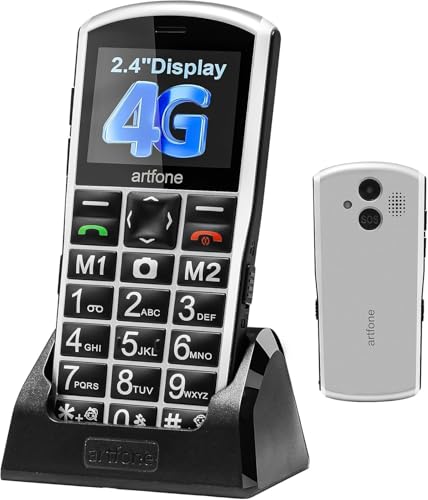
artfone A400 Big Button Cell Phone for Seniors, 4G LTE Unlocked Phones, SOS Button, 2MP Camera, Charging Dock, 3 Slots, Speed Dial, Volume Boost, Large Fonts, Voice Time, Dumb Phone, 1800mAh – Silver
- Carrier Compatibility: Supports 2G/3G/4G LTE networks
- Hearing Assistance: Built-in microphone amplifies voices
- Large Button Design: Big, raised, backlit keypad for easy use
As an affiliate, we earn on qualifying purchases.
As an affiliate, we earn on qualifying purchases.
Coverage and reliability: Making sure your calls connect
Good coverage means your calls go through when you need them. Major carriers like Verizon, AT&T, and T-Mobile generally provide the widest coverage. But many MVNOs—smaller providers that piggyback on the big networks—offer similar reliability at lower prices.
Picture this: your favorite local park, grocery store, or church. Do your calls drop there? Checking coverage maps or asking neighbors can help. Reliable service in your area makes a big difference, especially if you depend on your phone for emergencies.
It’s also important to consider the quality of the network signal in your daily environments. Even if a provider claims broad coverage, actual experience varies based on location, building materials, and network congestion. Investing time to verify coverage in your most frequented places ensures you won’t be left disconnected when it matters most. Sometimes, paying a little more for better coverage guarantees peace of mind and consistent connectivity, which is vital for safety and staying in touch with loved ones.
Understanding the tradeoffs is key: lower-cost providers may have less extensive coverage in rural or remote areas, which could leave you without service when you need it most. Conversely, choosing a provider with proven coverage in your specific locations ensures you won’t face frustrating dropped calls or dead zones. Recognizing how coverage impacts safety and daily communication emphasizes that a reliable connection isn’t just convenience—it’s a necessity for peace of mind and security.

Chair Yoga For Seniors Over 60 Book & Chart,30-Day Beginner Challenge with 54-Page Spiral Bound Exercise Guide,Senior Fitness Planner for Weight Loss,Toning,Flexibility and Daily Workouts,Pink
- Suitable for seniors and beginners: Ideal for mobility concerns and light exercise
- Structured 30-day practice plan: Guides daily seated yoga routines with illustrations
- Easy-to-read spiral binding: Lays flat for comfortable practice with clear diagrams
As an affiliate, we earn on qualifying purchases.
As an affiliate, we earn on qualifying purchases.
Customer support you can actually understand and use
If you need help setting up your phone or troubleshooting, friendly customer support matters. Many providers now offer dedicated support for seniors—some even have in-store help or simple tutorials. Imagine calling a support line and speaking to someone who’s patient and easy to understand. That peace of mind keeps technology from feeling overwhelming.
For example, a provider might have a helpline with staff trained to assist seniors or offer in-person setup services. Easy-to-access help means you spend less time frustrated and more time enjoying your phone.
Understanding how to access support and what kind of assistance is available can make a big difference. If support is complicated or hard to reach, it can lead to frustration and abandonment of the device or plan. Choosing providers that prioritize clear, accessible customer service helps seniors feel confident in managing their phones and resolving issues quickly, so they stay connected without unnecessary stress.
Good customer support isn’t just about quick fixes. It’s about building trust, especially for seniors who may feel less comfortable with technology. When support is approachable and easy to understand, it encourages independence and reduces anxiety about managing devices. This means fewer trips to stores or calling friends for help, and more confidence in handling everyday issues on your own.
Phones and features tailored for seniors
Many seniors prefer phones with larger buttons, bigger screens, and hearing aid compatibility. Some providers offer flip phones or simplified smartphones designed for ease of use. For example, a flip phone with large, easy-to-press buttons and a loud speaker can make calling more comfortable.
Additionally, features like emergency buttons, voice-assisted dialing, and simple menus help seniors stay independent and connected. Choosing a device with these features means fewer frustrations and more confidence using the phone.
Understanding the importance of these features helps seniors select devices that support their specific needs, whether it’s hearing aid compatibility for clearer sound, or larger text for easier reading. Investing in the right device can greatly enhance usability, reduce frustration, and promote independence, making technology a helpful tool rather than a barrier.
The latest trends: What’s new in senior-friendly plans
Recently, carriers introduced plans specifically for seniors, emphasizing simplicity and affordability. Some even include discounts for low-income seniors or veterans. Prepaid and no-contract options are growing in popularity, giving more control over expenses.
Plus, 5G networks are becoming more common, offering faster speeds—though many seniors might not need this right now. Accessibility features like larger text, hearing aid compatibility, and easy-to-use interfaces are also on the rise, making phones more user-friendly than ever.
Staying updated on these trends can help seniors choose plans that are not only affordable but also incorporate the latest technology and accessibility features, ensuring a more seamless and comfortable user experience in the coming years. Being aware of new options allows seniors to adapt and upgrade as needed, avoiding technology obsolescence and improving overall satisfaction.
Quick facts you should know about senior phone plans
| Fact | Details |
|---|---|
| Lifeline Program | A federal discount program for qualifying low-income seniors, reducing monthly costs. |
| Most popular plan types | Prepaid plans and unlimited talk/text plans dominate the market for seniors. |
| Coverage providers | Major carriers: Verizon, AT&T, T-Mobile. MVNOs: Straight Talk, Mint Mobile, Consumer Cellular. |
| Device options | Flip phones, simplified smartphones, or bring-your-own-device options are widely available. |
Questions seniors often ask about phone plans
- What is the most affordable plan? Prepaid plans with unlimited calls and texts usually cost around $20-$30 a month.
- Can I keep my current phone? Often, yes—if it’s unlocked and compatible with the carrier’s network.
- Do I need a smartphone or basic phone? It depends on your needs; basic phones are simpler, smartphones offer more features.
- How do I find the best coverage in my area? Check coverage maps or ask neighbors which carrier they use successfully.
- Are there discounts for low-income seniors? Yes, programs like Lifeline and carrier-specific discounts can lower monthly costs.
Conclusion
Choosing a phone plan doesn’t have to be complicated. Focus on affordability, simplicity, and reliable coverage—those are the real essentials for seniors. With the right plan, staying connected becomes effortless and stress-free, giving you more time to enjoy what matters most.
Remember, the best plan fits your lifestyle, not the marketing hype. Take a moment, ask questions, and pick what feels right. A connected life is a happy life—make sure your plan supports that.
College move-in / dorm season Picks
dorm essentials
As an affiliate, we earn on qualifying purchases.