TL;DR

Turn quiet afternoons into listening time
- Thousands of audiobooks, podcasts and originals
- Listen on your phone, tablet or Echo — also offline
- Cancel anytime
Camera-free safety monitoring uses motion sensors and activity monitors to discreetly track your parent’s activity. These tools respect privacy, are easy to use, and can alert you to potential issues in real-time, making them a practical choice for family caregivers.
Motion sensors and activity monitors are discreet, privacy-respecting alternatives to cameras.
Latest tech uses AI to reduce false alarms and predict potential health issues.
Wireless, embedded sensors are easy to install and often more acceptable to seniors.
Choose a system based on your parent’s preferences, needs, and home environment.
Regularly review activity data to spot patterns, not just emergencies.
Camera-Free Ways to Check on a Parent
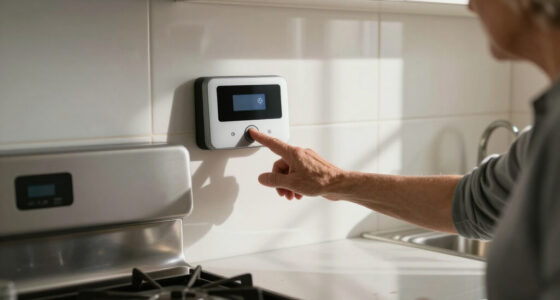
Motion sensors and activity monitoring can reveal changes in routine, prolonged inactivity, and possible emergencies—without recording a single image or conversation.
Three quiet ways to build awareness
Each device answers a different question. Combine room-level presence, personal activity, and household context for a fuller picture.
Motion sensors
Detect movement in a defined room or hallway using infrared, vibration, or other physical cues.
- Flags prolonged inactivity
- Shows room-to-room movement
- Works well in hallways and living areas
Activity monitors
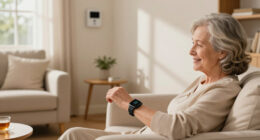
Wearables, bed sensors, and furniture sensors can track movement, sleep, and selected health indicators.
- Reveals changes in daily activity
- May include fall detection
- Supports sleep and mobility trends
Environmental sensors
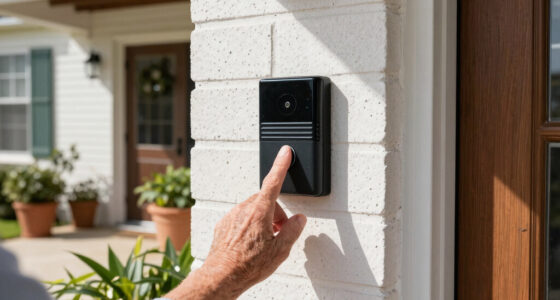
Door, appliance, bathroom, and occupancy signals provide clues that ordinary routines are continuing.
- Confirms doors or cabinets opened
- Adds context without visual surveillance
- Can connect to smart-home systems
From a small signal to a useful check-in
A good system does more than sound an alarm. It turns low-detail household signals into a measured response that keeps the parent involved.
Sense
A room, wearable, bed, door, or appliance sensor registers activity.
Learn
The system builds a baseline around ordinary routines and rest periods.
Compare
New activity is checked against time, location, and personal patterns.
Alert
Unusual inactivity, a possible fall, or another anomaly triggers notice.
Respond
A family member checks in and escalates only when the situation requires it.
Choosing the right level of monitoring
Camera-free tools trade visual confirmation for greater privacy and acceptance. Match the device to the question you actually need answered.
| Capability | Motion sensor | Activity monitor | Environmental sensor | Camera |
|---|---|---|---|---|
| Preserves visual privacy | ✓ Strong | ✓ Strong | ✓ Strong | ✗ Limited |
| Detects room presence | ✓ Excellent | ~ Varies | ~ Contextual | ✓ Excellent |
| Tracks sleep or daily activity | ~ Limited | ✓ Excellent | ~ Indirect | ~ Limited |
| Provides visual context | ✗ No | ✗ No | ✗ No | ✓ Yes |
| Low-profile installation | ✓ Easy | ~ Device-dependent | ✓ Easy | ~ More visible |
| Potential emergency alerts | ✓ Inactivity | ✓ Falls / trends | ~ Anomalies | ✓ With detection |
✓ Strong fit · ✗ Not available or poor fit · ~ Depends on product and configuration
What smarter sensors improve
AI and machine learning can personalize thresholds, recognize normal rest periods, and reduce the false alarms that cause caregiver fatigue.
Privacy-first capability map
Relative strengths based on the practical characteristics of modern camera-free systems.
Make alerts meaningful
Start conservatively and tune the system around real habits.
The privacy-to-action chain
Less intrusive data can still support a clear, humane response when every step has a defined purpose.
Questions families ask first
The best system is one your parent accepts, understands, and can live with comfortably.
Are camera-free systems reliable?
Modern devices can reliably detect inactivity, unusual patterns, and—with supported hardware—possible falls. They supplement regular contact rather than guarantee safety.
How do they preserve privacy?
They collect movement or activity signals instead of video and audio. Review the product’s storage, encryption, access, and retention policies before buying.
What should a system cost?
Basic standalone sensors may cost under $50 each. Multi-sensor packages, subscriptions, professional monitoring, and health features can raise the total to several hundred dollars or more.
Can they detect falls?
Some wearables and advanced ambient sensors include fall detection. Confirm whether the feature is automatic, how it is tested, and who receives the alert.
Are they difficult to install?
Many wireless devices take only minutes to place and pair with an app. Embedded or whole-home systems may require professional setup.
What is the main limitation?
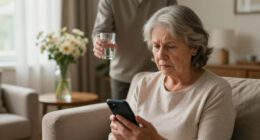
There is no visual confirmation. Sensors show that something changed, but a call, visit, or emergency response may still be needed to understand why.
Quiet guardians, not constant surveillance.
Choose around your parent’s preferences, risks, routines, and home. Begin with the least intrusive setup that answers the safety question, then review the data together and adjust alerts as everyday patterns become clear.
Why Motion Sensors and Activity Monitors Are Better Than Cameras
Motion sensors and activity monitors are discreet, respectful, and effective. Unlike cameras, they don’t record video or sound, which means your parent’s privacy stays intact. For example, a simple motion sensor can detect if your parent hasn’t moved in a while, triggering an alert. This approach is especially appealing for seniors who value independence but still need oversight.
Many families choose these devices because they blend into the home environment. A sensor tucked behind a sofa or embedded in a hallway can quietly monitor activity without anyone noticing. Plus, these systems are often easier to install and maintain than setting up cameras or complex security networks.
Beyond privacy, these tools also help avoid the potential discomfort or anxiety that invasive surveillance might cause. Seniors often feel more comfortable and respected when monitored discreetly, which can lead to better cooperation with safety measures and a more positive relationship overall. However, it’s important to recognize that these devices may not capture visual context, so they are best suited for detecting activity patterns rather than providing visual confirmation of safety.
wireless motion sensors for elderly monitoring
As an affiliate, we earn on qualifying purchases.
As an affiliate, we earn on qualifying purchases.
How Do Motion Sensors and Activity Monitors Work?
Motion sensors detect movement within a designated area by sensing changes in infrared radiation, vibration, or other physical cues. When your parent enters or leaves a room, the sensor registers this movement and can trigger an alert. If no movement is detected over a predefined period—say, 4 hours—it indicates potential concern, prompting you to check in. This method is effective because it provides real-time data on activity levels, which can be crucial for noticing declines in mobility or activity that suggest health issues.
Activity monitors, on the other hand, often come in wearable forms like wristbands or as sensors embedded in beds or furniture. They track a person’s movements, sleep patterns, and even vital signs in some cases. For instance, a wristband that records daily activity levels can help identify if your parent is becoming less active, which might signal emerging health problems like depression or illness.
Comparing these devices reveals their complementary nature: motion sensors excel at detecting presence or absence in specific spaces, while activity monitors provide a broader picture of daily routines and health indicators. Both types of devices can be integrated into a comprehensive safety system, but understanding their specific functions helps tailor monitoring to your loved one’s needs and preferences.
As an affiliate, we earn on qualifying purchases.
The Latest in Sensor Tech: Smarter, More Accurate, Less Intrusive
Recent innovations in sensor technology have significantly enhanced safety and privacy. Artificial intelligence (AI) plays a key role by analyzing movement patterns to differentiate between normal activity, such as walking or stretching, and concerning events like falls or prolonged inactivity. This reduces false alarms, which can be frustrating and lead to alert fatigue, where caregivers start ignoring alerts due to frequent false positives. By improving accuracy, AI-based sensors ensure that caregivers are notified only when truly necessary, enabling timely interventions.
Enhanced sensitivity and machine learning algorithms also allow sensors to adapt to individual behaviors, making detection more personalized and reliable. For example, a sensor might learn that your parent frequently rests in the afternoon and adjust its thresholds accordingly, preventing unnecessary alerts. Additionally, embedded sensors in furniture, floors, or walls are completely invisible, preserving aesthetic and personal space while providing continuous monitoring. This unobtrusiveness encourages consistent use and acceptance, especially among seniors wary of wearing gadgets or cameras.
These technological advances mean that safety systems are becoming more intuitive, less intrusive, and more capable of supporting independent living, which is especially important as seniors prefer aging in place.
privacy-friendly home safety sensors
As an affiliate, we earn on qualifying purchases.
As an affiliate, we earn on qualifying purchases.
Frequently Asked Questions
Are camera-free monitoring systems reliable enough to ensure my parent’s safety?
Yes, modern motion sensors and activity monitors are highly accurate. They can detect inactivity, falls, and unusual patterns, providing timely alerts that help you respond quickly.How do these devices respect my parent’s privacy?
They do not record video or audio. Instead, they track movement and activity levels discreetly, which keeps their personal space intact and minimizes intrusion.What is the cost of implementing such systems?
Prices vary. Basic sensors can cost under $50 each, while comprehensive systems with multiple sensors and alerts may run several hundred dollars or more. Consider your needs and budget when choosing.Can these systems detect falls or emergencies?
Many advanced options include fall detection and emergency alerts, sending immediate notifications to caregivers or family members for quick action.How easy are these devices to set up and operate?
Most are designed with simplicity in mind. Installation usually takes minutes, and apps provide straightforward controls and alerts for easy ongoing management.non-intrusive safety monitoring devices
As an affiliate, we earn on qualifying purchases.
As an affiliate, we earn on qualifying purchases.
Conclusion
Monitoring your parent doesn’t have to feel invasive or complicated. With the right motion sensors and activity monitors, you get peace of mind while respecting their independence. Think of these tools as quiet guardians, watching over your loved one without intruding on their dignity.Fall Picks
fall essentials
As an affiliate, we earn on qualifying purchases.