
TL;DR

Turn quiet afternoons into listening time
- Thousands of audiobooks, podcasts and originals
- Listen on your phone, tablet or Echo — also offline
- Cancel anytime
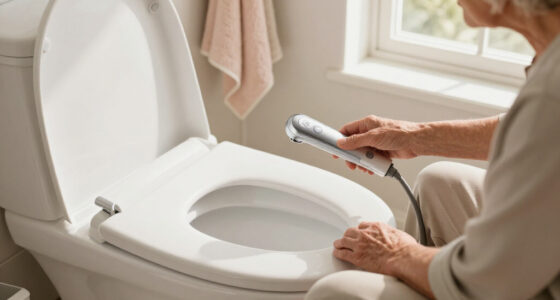
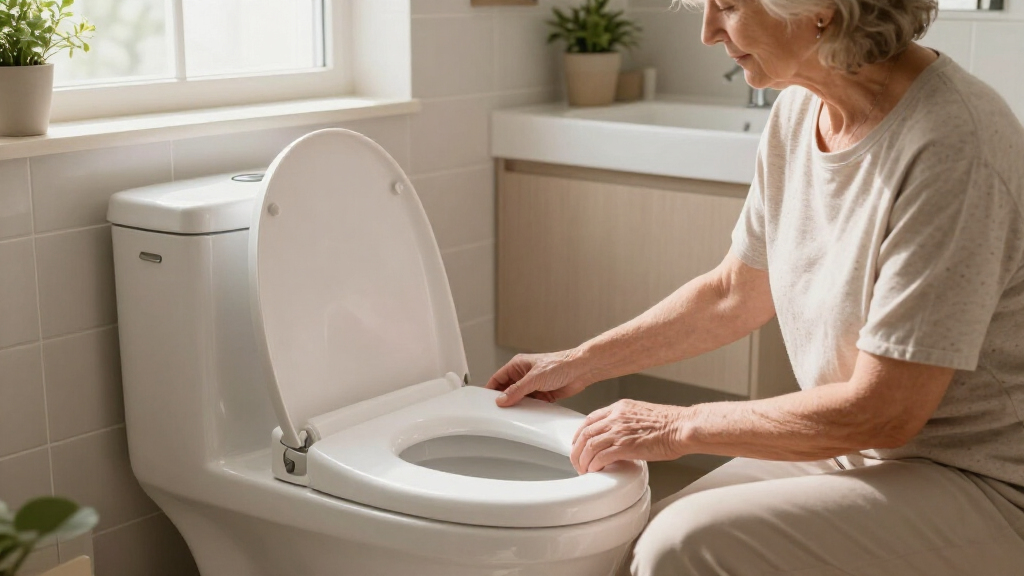
Bidet seats often offer more comfort and accessibility features like remote controls and heated seats, making them ideal for older adults. Attachments are simpler and cheaper but may lack ergonomic controls, so choosing depends on mobility and safety needs.
Imagine a warm, soothing spray of water easing your cleaning routine after a trip to the bathroom. Now, think about how that simple comfort can make a big difference for older adults managing mobility issues or medical conditions. The choice between a bidet attachment and a bidet seat isn’t just about price or style — it’s about safety, ease, and dignity.
This guide breaks down the differences that matter most, helping you decide which option fits best with your needs or those of a loved one. From installation to everyday use, understanding what makes each type unique can turn a bathroom upgrade into a true daily aid.
Bidet seats often offer more comfort and accessibility features, making them ideal for seniors with mobility challenges.
Installation of bidet attachments is simple and budget-friendly, but they may lack ergonomic controls and safety features.
Safety features like slow-close lids, heated seats, and remote controls can greatly enhance usability for older adults.
Choosing the right bidet depends on mobility, comfort preferences, and budget, with many models now focusing on accessibility.
Proper installation and regular maintenance are essential to ensure safe, hygienic, and trouble-free operation.
Bidet Attachment or Bidet Seat?
For older adults, the real difference is not style—it is how safely and independently someone can manage daily hygiene. Compare reach, dexterity, warmth, installation, and cost before choosing.
Mobility needs usually favor a full bidet seat.
Remote controls, heated surfaces, adjustable water, and warm-air drying reduce reaching, twisting, and repeated wiping.
Two upgrades, two levels of support
Both options use a directed water spray and can reduce toilet-paper use. The crucial distinction is whether the product provides only cleansing or also removes physical effort from the routine.
Bidet Attachment
A slim spray unit fits beneath the existing toilet seat. It is inexpensive, discreet, and often manageable as a basic DIY upgrade.
- Usually operated by a side knob or compact lever
- Adjustable pressure; temperature varies by model
- Little or no electrical setup
- May be difficult for arthritis, weak grip, or limited reach
Bidet Seat
A complete replacement seat combines cleansing with comfort and accessibility features designed to reduce movement and manual effort.
- Remote or clearly arranged ergonomic controls
- Heated seat and adjustable warm-water spray
- Warm-air drying can reduce wiping
- May include self-cleaning nozzles and a slow-close lid
Differences that shape everyday use
For a person with limited dexterity or balance, a convenient feature can become a safety feature. Pay particular attention to control placement, drying, temperature, and required body movement.
| Decision factor | Bidet attachment | Bidet seat | Why it matters |
|---|---|---|---|
| Installation | ✓Fits beneath the current seat; usually minimal tools | ~Replaces the seat; powered models need a suitable outlet | Simple installation lowers initial cost, but safe electrical placement must be planned. |
| Controls | ~Typically a knob or lever beside the bowl | ✓Remote or large ergonomic control panel | Less reaching helps users with arthritis, weakness, limited rotation, or balance concerns. |
| Warmth | ✗Often cold water and an unheated seat | ✓Heated seat and adjustable water temperature | Warmth improves comfort and may encourage consistent use. |
| Drying | ✗Usually requires toilet paper or a towel | ✓Many models include adjustable warm-air drying | Reduced wiping can help sensitive skin and users with limited shoulder or hand movement. |
| Safety extras | ~Basic function with few integrated aids | ✓Slow-close lid, non-slip design, presets, and nozzle cleaning | Small safeguards reduce pinching, awkward adjustments, and hygiene maintenance. |
| Cost | ✓Commonly below $100 | ~Commonly $200–$600 | Choose for total daily support—not the longest feature list or lowest sticker price alone. |
Where a bidet seat earns its advantage
This needs-based scorecard translates product features into practical support for an older user. It is a decision aid, not a clinical measurement.
Support for common daily needs
Relative suitability of a feature-rich bidet seat
Scores reflect the functional advantages described in the feature comparison.
Choose from the user outward
Start with the person’s movement and control needs, then verify the bathroom infrastructure. This keeps the purchase focused on independence and safe daily use.
Observe reach and grip
Can the user turn a small side knob without twisting, pain, or loss of balance?
Define essential aids
Decide whether warm water, a heated seat, remote control, or drying is necessary.
Check the bathroom
Confirm toilet shape, water connection, clearances, and access to a suitable outlet.
Set up for confidence
Use gentle defaults, secure the controls, explain cleaning, and confirm a stable fit.
Comfort can be an accessibility tool.
A heated seat, remote control, adjustable spray, and warm-air dryer can reduce strain at several points in one routine. For an older adult with mobility challenges, that combination may support safer hygiene, greater consistency, and more personal independence.
What exactly is a bidet attachment, and is it right for you?
A bidet attachment is a slim device that clips under your existing toilet seat, transforming your toilet into a basic bidet. It typically offers a simple water spray with adjustable pressure, and sometimes temperature control. Think of it as a mini water gun that attaches seamlessly beneath your current seat, providing a gentle, targeted cleanse.
Many older adults find these attachments appealing because they’re affordable, easy to install, and don’t significantly alter the bathroom’s appearance. For instance, if you’re comfortable with basic DIY projects, installing a bidet attachment can be a quick upgrade that enhances hygiene without major renovations.
However, some models lack ergonomic controls or remote operation, which can be problematic for those with limited dexterity or arthritis. The absence of these features means users may need to manually adjust settings, potentially making the device less intuitive for some seniors. Additionally, because attachments are fixed under the seat, their controls are often limited to manual knobs or simple buttons, which might not be ideal for those with reduced hand strength or dexterity. This can impact ease of use and safety, especially if reaching or manipulating controls becomes difficult. Nonetheless, if reducing toilet paper use is a priority and ease of installation is desired, a bidet attachment offers a practical entry point into bidet use that balances affordability with basic functionality.
Popular right now

Ninja DualZone 6-in-1 Air Fryer, 8-Qt, Grey, DZ801

Ninja CREAMi 7-in-1 Ice Cream Maker, NC299AMZ

De'Longhi Rivelia Automatic Espresso Machine with Milk Frother
As an affiliate, we earn on qualifying purchases.
Why a bidet seat might be better for seniors with mobility issues
A bidet seat replaces your existing toilet seat entirely, turning your standard toilet into a high-tech hygiene station. This upgrade involves removing the current seat and installing a new one equipped with features like heated seats, adjustable water pressure, and remote controls. These features are designed to improve safety, comfort, and independence during bathroom routines.
For seniors with mobility challenges, such as arthritis or limited reach, bidet seats offer significant advantages. The remote control or ergonomic controls allow users to operate the device without awkward movements or reaching across the toilet, which could otherwise cause strain or imbalance. The ability to adjust water temperature and pressure at the push of a button minimizes the need for physical effort, thereby reducing discomfort and the risk of falls caused by twisting or stretching to reach controls. Additionally, features like slow-close lids and non-slip surfaces contribute to safety by preventing accidental pinches and slips, which are common hazards for older adults.
Choosing a bidet seat can thus be a strategic decision to promote dignity and independence. The integrated safety and comfort features mean users can perform hygiene routines with less assistance, fostering a sense of control over their personal care and reducing reliance on caregivers. This not only enhances personal hygiene but also supports emotional well-being by maintaining dignity. Moreover, the ability to operate the device effortlessly can prevent frustration and encourage consistent use, which is crucial for health. Overall, bidet seats are more than just a convenience—they can be a vital component in an accessible, safe bathroom environment that promotes autonomy and reduces health risks among seniors.
Quick comparison: Which is better for older adults — attachment or seat?
| Feature | Bidet Attachment | Bidet Seat |
|---|---|---|
| Installation | Simple, clips under existing seat, often requiring minimal tools — ideal for quick upgrades. This ease of installation allows older adults or caregivers to set up the device without professional help, reducing costs and complexity. However, because it is fixed under the seat, adjustments or repairs often require removing the seat again. The limitations in adjustability mean it may not accommodate those with specific ergonomic needs. | Replaces the entire seat, which may involve removing the old seat and connecting power; slightly more involved, but still manageable for most homeowners. Installing a bidet seat often requires basic electrical work and some familiarity with tools, but many models come with detailed instructions. The main advantage is the integration of advanced features like remote controls and heated seats, which enhance safety and comfort. The tradeoff is slightly higher complexity and cost, but the benefits in usability for those with mobility issues can be substantial. |
| Cost | Lower, usually under $100, making it accessible for budget-conscious buyers. While affordable, the limited features mean it might not fully address the needs of users requiring more ergonomic support or safety features. | More expensive, typically ranging from $200 to $600, reflecting added features and convenience. The higher upfront cost can be offset by the increased safety, ease of use, and independence it offers, which can be especially valuable for seniors with mobility challenges. |
| Features | Basic spray with adjustable pressure, sometimes temperature control — enough for basic hygiene needs. These features are functional but lack the ergonomic or safety enhancements that support independence. | Includes heated seats, remote controls, air dryers, deodorizer — offering a comprehensive, user-friendly experience. These added features can significantly improve comfort and safety, especially for those with limited mobility or sensitive skin, by reducing the need for manual adjustments and minimizing physical effort. |
| Ease of Use | Controls are straightforward but may lack ergonomic design, which can be a challenge for some users. Manual knobs or simple buttons require some strength and dexterity, which might be problematic for users with arthritis or limited hand function. | Remote or ergonomically designed controls make operation easier, especially for those with limited dexterity. The ability to operate the device with minimal physical effort can promote independence and reduce frustration, making it more suitable for seniors with mobility concerns. |
| Safety | Provides basic safety features, but lacks heated seats or slow-close lids that prevent pinched fingers or burns. Its simplicity can sometimes mean fewer safety options, which might compromise comfort and risk mitigation for some users. | Enhanced safety with features like warm seats, slow-close lids, and stability enhancements. These features help prevent common bathroom accidents and injuries, thereby supporting a safer environment for older adults. |
Ultimately, the choice depends on individual needs: if simplicity and affordability are priorities, attachments are suitable. For those valuing comfort, safety, and convenience, a bidet seat may be the better investment, especially for seniors with specific mobility or health concerns.
How to decide if a bidet attachment or seat is best for your needs
Making an informed decision involves understanding your specific needs, mobility level, and safety priorities. Here’s a practical guide:
- Assess your mobility and dexterity — can you easily reach and operate controls, or do you prefer remote operation?
- Reflect on your comfort preferences — do you want features like heated seats, adjustable water pressure, or air drying?
- Set a realistic budget — are you seeking a quick, affordable upgrade or a comprehensive, feature-rich device?
- Consider installation skills — are you comfortable with DIY projects, or would professional installation be preferable?
- Prioritize safety features — look for slow-close lids, non-slip surfaces, and easy-to-use controls that promote independence.
For example, a senior with arthritis might find a bidet seat with a remote control and heated seat ideal, as it minimizes physical effort. Conversely, someone on a tight budget might opt for a basic attachment, focusing on essential hygiene benefits without extra features. Carefully weighing these factors will help you choose a device that enhances safety, comfort, and independence in daily routines.
What you need to know about installing and maintaining your bidet
Installing a bidet attachment is generally a straightforward DIY task. It involves attaching a small hose to your existing water supply and securing it beneath your toilet seat. Most models come with detailed instructions, and online video tutorials can make the process even simpler. Proper installation ensures there are no leaks and that the device functions correctly, which is crucial for safety and hygiene. Proper installation not only prevents water damage but also ensures the device is stable and accessible, reducing the risk of accidents during use.
Bidet seats, on the other hand, require removing the existing seat and connecting an electrical cord, often to a nearby outlet. This process may be more involved but remains manageable for most homeowners with basic tools. Ensuring that electrical connections are secure and that the seat is stable is vital to prevent malfunctions or safety hazards. If you’re unsure or uncomfortable with electrical or plumbing work, hiring a professional ensures safe and correct installation, preventing potential water damage or electrical hazards. Regularly checking connections and cleaning nozzles helps maintain hygiene and prolong the device’s lifespan, which is especially important for older adults who rely heavily on these features for daily hygiene routines.
Maintenance is minimal but important. Regularly cleaning nozzles, replacing filters if applicable, and inspecting electrical connections for bidet seats help maintain hygiene and device longevity. Many newer models feature self-cleaning nozzles and antimicrobial surfaces, reducing the effort needed for upkeep. Keeping your bidet in good condition not only extends its lifespan but also ensures consistent safety and hygiene standards, which is critical for health and well-being.
Safety tips to make using your bidet easier and safer
Prioritizing safety when using a bidet is essential, especially for older adults. Here are some practical tips:
- Ensure the device is securely installed and stable before use, preventing slips or falls. Confirming stability reduces the risk of accidents during operation.
- Operate controls gently — don’t force buttons or remote functions to avoid damage or accidental activation. Gentle handling prolongs device life and prevents injury.
- Keep the area dry and free of clutter to prevent slips, especially if water splashes or condensation occurs. A tidy environment supports safe movement.
- Choose models with safety features like slow-close lids, which help prevent pinched fingers or accidental closures. These features enhance safety during routine use.
- Regularly inspect the device for leaks, electrical issues, or wear that could compromise safety or hygiene. Routine checks help catch problems early, avoiding accidents or infections.
For added safety, consider placing a non-slip mat around the toilet area to reduce fall risk. Keep remote controls within easy reach for users with limited dexterity, and consider using assistive devices if needed. These precautions help maintain independence while minimizing hazards, making the bathroom a safer environment for everyone.
Frequently Asked Questions
Are bidet attachments easy to install myself?
Yes, most bidet attachments are designed for DIY installation. They usually clip under your existing toilet seat and come with clear instructions. If you’re comfortable with basic tools, you can often install it in less than 30 minutes.Which type is better for seniors with limited mobility?
Bidet seats with remote controls, heated seats, and adjustable water pressure are generally better. They allow for easier operation without needing to bend or reach awkwardly, promoting independence and safety.Are bidets safe and hygienic for everyday use?
Absolutely. When properly maintained, bidets are very hygienic. Many have self-cleaning nozzles and antimicrobial surfaces, reducing the risk of bacteria buildup and promoting cleaner routines.Do bidets require electricity?
Many bidet seats do, especially those with heated seats, warm water, or air dryers. Attachments typically don’t need power, making them simpler and more energy-efficient.Are bidets cost-effective and eco-friendly?
Yes, they can cut down on toilet paper use, saving money over time and reducing paper waste. Plus, many models are designed to be energy-efficient and water-conscious.Conclusion
Every bathroom upgrade should prioritize safety, comfort, and independence. For older adults, a bidet seat with remote control, heated seat, and ergonomic design often makes daily routines easier and more dignified.
Think of a bidet as more than a cleaning tool — it’s a small step toward greater comfort and confidence. When choosing, focus on what will keep you safe and comfortable in your home, turning a simple device into a true daily health companion.