TL;DR
The most effective alert device is one you’ll wear consistently. Comfort, style, water resistance, and battery life are the main factors influencing adherence. Modern options blend fashion with function, increasing the chances you’ll keep your device on.
Imagine this: you or a loved one needs a safety device, but it keeps coming off. Frustrating, right? The secret to getting consistent protection is choosing an alert style that fits seamlessly into daily life. It’s not just about features—it’s about comfort, appearance, and how likely you are to keep it on, rain or shine.
This guide walks through how to pick between a necklace, wristband, or watch, based on real-world needs and style preferences. Because the best device isn’t the fanciest—it’s the one you actually wear.
Comfort and style are the biggest drivers of consistent wear.
Water resistance and long battery life boost daily adherence.
Modern designs blend fashion with function, making devices less obtrusive.
Trying different styles can reveal what feels best for your lifestyle.
The best alert device is the one you forget you’re wearing—so choose wisely.
Necklace, Wristband or Watch?
The most effective alert device is not necessarily the most advanced. It is the one that feels comfortable, fits personal style, survives the daily routine and stays on when protection matters.
Which form feels natural?
Begin with familiar habits—not feature lists. Consider clothing, dexterity, skin sensitivity, showering, outdoor activity and whether the wearer wants jewelry, sportswear or a professional accessory.
Necklace
Discreet and easy to reach, with options that resemble a pendant. Fit and chain length matter: a tight, heavy or snag-prone design can quickly become irritating.
Wristband
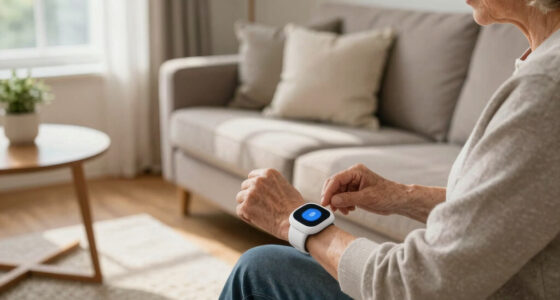
Familiar, lightweight and usually well suited to movement. Flexible materials can improve comfort, while strong water resistance supports exercise and shower routines.
Watch
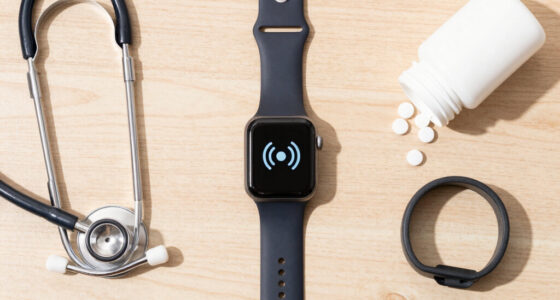
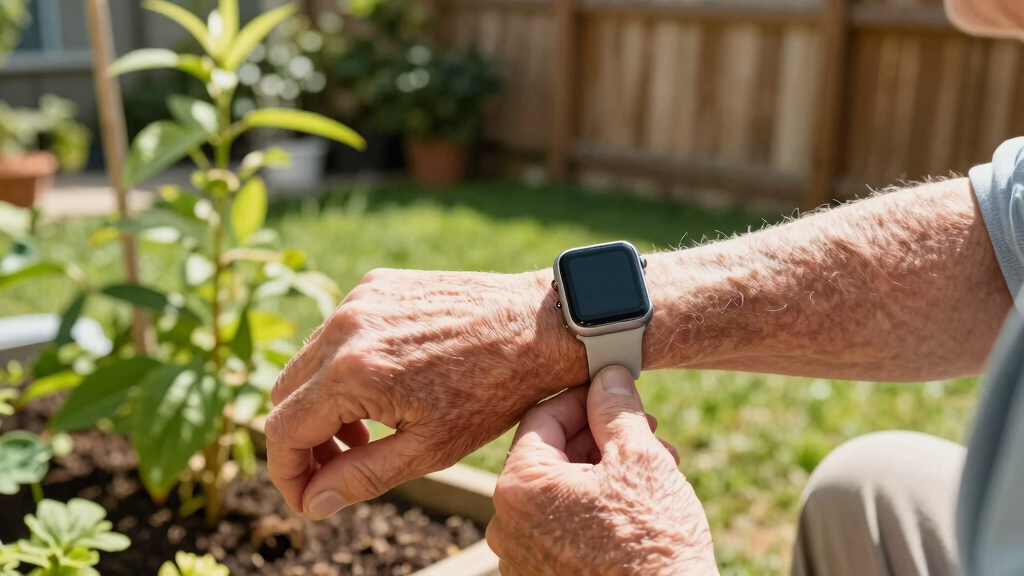
Blends alerts with time, activity, heart-rate or location features. It can look entirely conventional, though heavier hardware and frequent charging may reduce adherence.

invisawear Smart Jewelry – Personal Safety Device – Silver Leather Necklace,Black
Meet invisaWear, the most discreet personal safety device – It looks like an everyday accessory (a necklace, bracelet,…
As an affiliate, we earn on qualifying purchases.
As an affiliate, we earn on qualifying purchases.
Compare the main styles
No category wins every row. The strongest choice is the one whose compromises match the wearer’s real routine. Pay particular attention to comfort, water exposure and charging behavior.
| Feature | Necklace | Wristband | Watch |
|---|---|---|---|
| Comfort | ~Varies with weight, chain and clothing | ✓Often conforms naturally to movement | ~Depends on strap, fit and case weight |
| Style | ✓Jewelry-like and customizable | ~Sporty or casual appearance | ✓Professional or casual utility |
| Water resistance | ✗Often needs more moisture care | ✓Commonly suited to daily activity | ✓High-rated models support swimming |
| Battery life | ✓Can be longer with simple electronics | ~Typically around three to seven days | ✗Some connected models need nightly charging |
| Discreteness | ✓Can resemble a subtle pendant | ~Visible but socially familiar | ✓Often mistaken for a standard watch |
| Extra functions | ~Usually focused on core alerting | ~Activity and basic health options | ✓Health, GPS and notification features |
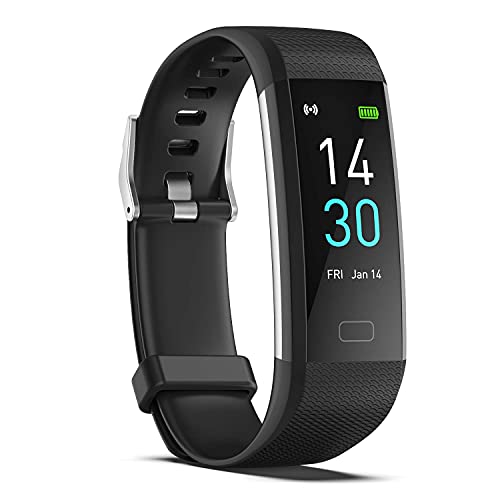
Fitness Tracker with Step/Distance/Calories Counter, Activity Tracker with Heart Rate Monitor, Slim Style Watch IP68 Waterproof, Sleep Monitor Tracker, Pedometer Watch for Women Men
【All-day Activity Tracker】: ENGERWALL IP68 Waterproof fitness tracker can record and track your daily steps, calories burned, exercise…
As an affiliate, we earn on qualifying purchases.
As an affiliate, we earn on qualifying purchases.
Adherence beats specifications
A feature has little protective value if it encourages removal. These relative priority scores visualize the factors most likely to support continuous wear; they are a decision aid, not clinical performance measurements.
Daily-wear priority index

Smart Watch Health Fitness Tracker with 24/7 Heart Rate, Blood Oxygen Blood Pressure Sleep Monitor, 115 Sports Modes, Step Calorie Counter Pedometer IP68 Waterproof for Android and iPhone Women Men
【Health Metrics Monitoring】These fitness watches for women and men pack 24/7 heart rate, blood oxygen, blood pressure monitors…
As an affiliate, we earn on qualifying purchases.
As an affiliate, we earn on qualifying purchases.
Remove reasons to remove it
The ideal device should survive ordinary routines with minimal thought. Each friction point—moisture, charging, irritation or complicated controls—creates another possible gap in protection.
Test comfort over a full day
Check pressure, rubbing, heat, weight and snagging while sitting, walking, dressing and sleeping.
Prioritize IP67 or IP68
Confirm the maker’s exact limits. Better moisture protection reduces removal for showers, rain and exercise.
Match the wearer’s aesthetic
Jewelry, sport and professional designs carry different social signals. Let the wearer make the style decision.
Keep the interface simple
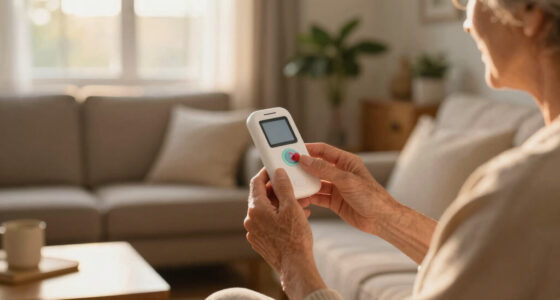
Alert controls should be easy to find, press and understand, including under stress or with limited dexterity.
Battery life is wear time
A seven-day-or-longer charge can reduce interruptions. Low-battery warnings, a simple charging dock and a fixed charging routine further lower the risk of an unpowered device.

invisawear Smart Jewelry – Personal Safety Device – Gold Necklace
Meet invisaWear, the most discreet personal safety device – It looks like an everyday accessory (a necklace, bracelet,…
As an affiliate, we earn on qualifying purchases.
As an affiliate, we earn on qualifying purchases.
A five-step fit test
Move from routine to real-world trial. The process connects personal habits to technical specifications, then validates the choice through actual wear.
Map the routine
Showering, exercise, sleep, clothing and outdoor activity.
Choose the look
Jewelry, sporty or professional—decided by the wearer.
Check resilience
Water rating, materials, clasp, strap and impact tolerance.
Trial the fit
Wear it through a normal day and note every urge to remove it.
Verify the alert
Test controls, charging, connectivity and the response pathway.
Choose for consistency, not novelty.
A necklace may suit someone who values elegance, a wristband may fit an active routine, and a watch may reward someone who wants utility with style. The correct answer is the option that remains comfortable, powered and present.
Start Here: Which Style Will You Actually Keep On?
The first step is understanding that comfort drives compliance. Would you prefer something around your neck, on your wrist, or as a watch? Each has pros and cons.
For example, a necklace sits close to your heart but can be uncomfortable if it’s too tight or gets caught on clothing. A wristband or bracelet is usually more familiar, and a watch combines utility with style.
Think about your daily routine. Do you shower often? Are you active outside? This helps narrow down your choice.
How Comfort and Style Make All the Difference
Comfort and style are the two biggest factors impacting whether someone keeps their device on. If it’s itchy, bulky, or ugly, chances are it gets removed quickly. When a device feels uncomfortable or looks unattractive, it can create a psychological barrier to consistent use, leading to gaps in safety. Conversely, a device that feels like jewelry or a fashionable accessory encourages regular wear because it becomes part of your daily aesthetic. According to a study, up to 70% of users stop wearing their alert devices mainly because of discomfort or unattractive design, highlighting how critical aesthetics are for adherence. Choosing a device that aligns with personal style not only boosts compliance but also reduces the stigma or inconvenience associated with medical alert devices. A sleek, lightweight, and attractive design turns a safety tool into a piece of personal expression, making it more likely to be worn during all daily activities and social interactions.
Durability and Water Resistance: Will It Survive Your Day?
Devices that resist water and withstand daily wear are more likely to stay on. Think about showering, sweating during exercise, or accidental splashes. An alert device that isn’t water-resistant often gets removed and forgotten, especially during routine activities. The implications are significant: a non-waterproof device risks being taken off at the first sign of moisture, which can leave the user unprotected during critical moments. For example, a wristband rated at IP68 can be worn swimming or in the rain without worries, ensuring it remains functional in various environments. On the other hand, a necklace that’s not water-resistant might sit unused after a splash incident, reducing its protective value. Therefore, prioritizing water resistance ratings of at least IP67 or IP68 can prevent accidental removal and extend the device’s lifespan, making it a reliable safety companion regardless of your daily activities.
Battery Life and Maintenance: Less Charging, More Wearing
Battery life can make or break consistent use. Devices with a long-lasting charge—say, 7 days or more—mean fewer interruptions and less hassle. This directly impacts adherence because frequent charging routines can be forgotten or neglected, especially during busy days or emergencies. For example, a smartwatch that needs nightly charging might be taken off and forgotten, creating gaps in safety coverage. Extended battery life reduces this risk, ensuring the device remains functional when needed most. Additionally, models that alert you when the battery is low help prevent accidental power loss. Choosing devices with a reliable, long-lasting battery and easy maintenance routines minimizes the chances of forgetting to recharge, thereby supporting continuous, dependable wear and safety alerts.
The Power of Discreet, Stylish Designs
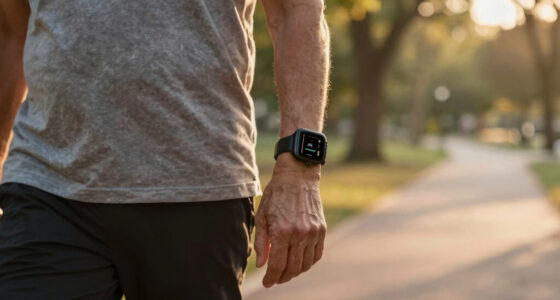
Modern alert devices are no longer bulky or clinical-looking. Many now resemble jewelry—think thin necklaces with subtle pendants or sleek wristbands in vibrant colors. Style matters, especially for active or fashion-conscious users. When devices are designed to be discreet and attractive, they integrate seamlessly into daily fashion, reducing feelings of stigma or inconvenience. For instance, a sleek, matte black watch that looks like a regular accessory can be worn confidently in social or professional settings, increasing the likelihood of consistent use. The trend toward stylish, discreet designs not only enhances personal expression but also encourages users to keep their devices on at all times, even when they’re out and about or attending events. This shift in design philosophy directly correlates with improved compliance and safety outcomes.
Compare the Main Styles: Necklace, Wristband, or Watch?
| Feature | Necklace | Wristband | Watch |
|---|---|---|---|
| Comfort | Varies—can be tight or loose, affecting comfort and security | Often most comfortable because it conforms to wrist movements | Depends on strap material and fit; some may cause discomfort over long periods |
| Style | Fashionable jewelry, customizable for personal expression | Sporty or casual, suitable for active lifestyles | Professional or casual, blending utility with style |
| Water Resistance | Often less protected; may require extra care to avoid damage | Usually water-resistant, suitable for daily activities | High water resistance available, suitable for swimming and outdoor activities |
| Battery Life | Longer in some models due to simpler electronics | Typically 3-7 days, depending on usage | Varies; some models need nightly charging, which can impact daily compliance |
| Discreteness | Very discreet if designed well, can be subtle or statement piece | Less discreet, more sporty or casual appearance | Discreet, blends with attire, often mistaken for regular watches |
Choosing the right style depends on your lifestyle and personal preferences. A necklace might be perfect for someone who values elegance and versatility; a wristband for those with an active routine; and a watch for individuals who want a blend of utility and fashion. Considering these factors ensures you pick a device you’ll keep on, providing continuous safety without sacrificing style or comfort.
Simple Steps to Pick Your Perfect Alert Style
- Identify your daily habits: shower often? active outdoors? comfort matters most.
- Determine your style preference: jewelry, sporty, or professional.
- Check water resistance and battery life specs—prioritize durability.
- Try different styles if possible—see how they feel after a day.
- Choose the one you forget you’re even wearing!
Remember, trial and error help find what truly works for you. Taking the time to test different options in real-life conditions can reveal subtle comfort or aesthetic issues that might not be obvious at first. This process ensures you select a device that fits seamlessly into your daily routine, increasing the likelihood that you’ll wear it consistently and benefit from its protective features.
Frequently Asked Questions
Which style (necklace, wristband, or watch) is best for ensuring consistent wear?
It depends on your daily routine and personal preference. Generally, wristbands and watches are more familiar and comfortable for most people, making them easier to keep on during activities and sleep. A stylish, lightweight option can turn into an everyday accessory, boosting compliance.
How do I choose an alert device that my loved one will actually keep on?
Involve them in the selection process. Focus on comfort, style, and water resistance. Offer options that match their daily habits—like a fashionable bracelet for someone who loves jewelry or a durable watch for an active person. Trial periods help find what sticks.
Are there stylish options that don’t look like medical devices?
Yes. Many alert devices now resemble jewelry—sleek necklaces, minimalist bracelets, or elegant watches. These blend in seamlessly with everyday fashion, making them more appealing and less stigmatizing.
What features should I prioritize for elderly users or those with health conditions?
Prioritize water resistance, long battery life, and simplicity of use. Large buttons, clear alerts, and reliable connectivity also make a difference. A device that’s easy to operate encourages consistent use.
How long do these devices typically last on a single charge?
Most devices last between 3 to 7 days on a single charge. Longer battery life reduces the hassle of daily charging, increasing the likelihood of continuous wear and reliable alerts.
Conclusion
When it comes to safety devices, comfort and confidence matter most. Pick a style that feels right—something you’ll forget you have on. That’s how you stay protected, day after day, rain or shine.
Imagine a sleek bracelet or a discreet necklace that blends seamlessly into your wardrobe. That’s the secret to making safety a natural part of your life—without compromise.