
TL;DR
Listen free for 30 days with Audible
Thousands of audiobooks and originals — cancel anytime.
Start your free trialAs an affiliate, we earn on qualifying purchases.
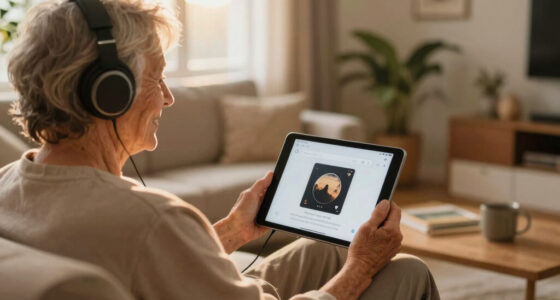
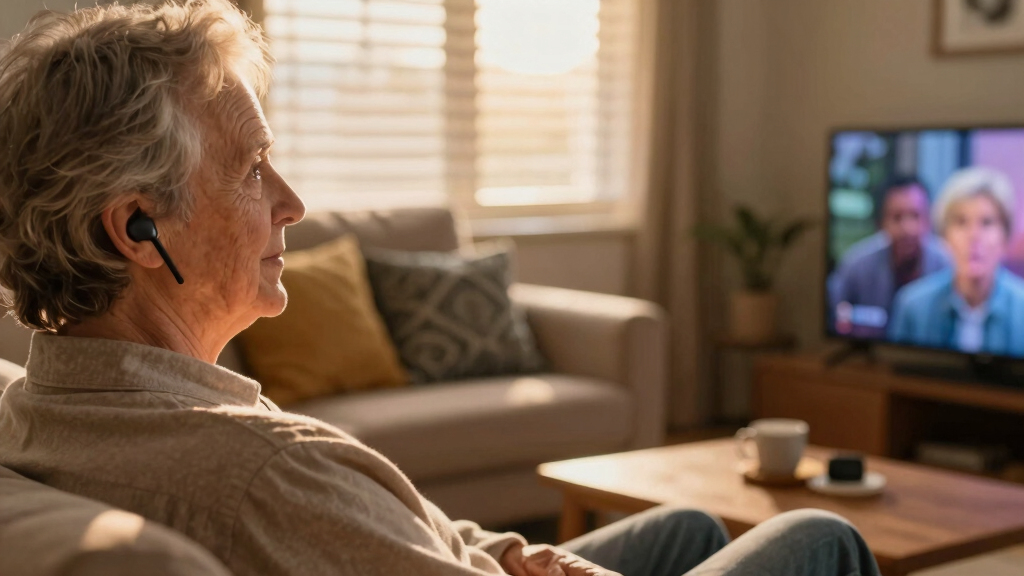
TV listening systems let you hear TV audio clearly without turning up the volume loud enough to disturb others. Wireless and advanced options now offer stable connections, personalized sound, and easy setup, making TV time more comfortable for everyone.
Imagine watching your favorite show at a volume so loud it makes your neighbors wince. Now, picture effortlessly hearing every word without disturbing others, all thanks to a simple device tucked near your ear or nestled behind your head. That’s the power of modern TV listening systems. They’re designed not just for those with hearing impairments but for anyone craving a richer, clearer TV experience. Whether you’re in a noisy household or just want to keep the peace, understanding these options can transform your viewing time.
This guide walks you through the different types of TV listening systems, recent technological advances, and practical tips to pick the right one. No jargon, just straightforward advice to help you enjoy TV without raising the volume—and without hassle.
Wireless TV listening systems offer freedom of movement and clear sound, making watching more comfortable.
Choose a system compatible with your hearing aids or preferences—wireless, wired, or magnetic induction.
Recent tech improvements, like Bluetooth 5.0 and multi-user streaming, enhance reliability and convenience.
Always keep volume at a safe level to protect your hearing health, especially with wireless headphones.
Setup has become simpler—most devices pair with just a few button presses or app instructions.
Hear the TV without raising the volume.
TV listening systems send dialogue directly to your ears at a personalized level. The room stays peaceful, voices become easier to follow, and everyone can enjoy the same screen without sharing the same volume.
Four ways to create personal TV sound
The right format depends on mobility, TV compatibility, hearing devices and how much setup you want. Each approach improves clarity, but the connection method changes the experience.
Wireless headphones
A transmitter or the TV’s built-in Bluetooth sends audio without a cable. You can move around, multitask and keep listening without missing dialogue.
Wired headphones
A simple cable connects directly to the TV. The connection is dependable and typically low-latency, but movement is limited by cable length.
Neckloop and loop systems
Magnetic induction carries sound directly to hearing aids equipped with telecoils, reducing distracting room noise and keeping the setup discreet.
Listening-enabled soundbars
Advanced soundbars can enhance dialogue and stream audio to compatible devices, sometimes supporting several listeners and personalized modes.
Which system fits your room?
Start with the feature that matters most. Wireless favors movement, wired favors simplicity, loops favor direct hearing-aid support, and smart soundbars favor shared listening.
| System | Mobility | Setup | Latency | Hearing-aid fit | Key tradeoff |
|---|---|---|---|---|---|
| Wireless | High | Pairing required | Model dependent | Check Bluetooth | Battery life and possible interference |
| Wired | Limited | Very simple | Usually low | Indirect | Cable restricts movement |
| Loop | Good | Initial setup | Stable | Telecoil direct | Requires compatible hearing devices |
| Soundbar | Device based | App or TV menu | Varies | Model dependent | Higher cost and compatibility checks |
Smarter connections, clearer dialogue
Recent improvements are reducing the friction that once made assistive TV audio feel complicated. Better wireless standards, built-in TV support and sound processing make personalized listening more natural.
More stable wireless
Improved range and lower latency help speech stay synchronized with the picture while supporting more phones, tablets and audio devices.
Fewer extra boxes
Built-in Bluetooth and companion apps can connect listening devices directly, reducing cable clutter and simplifying everyday operation.
Cleaner speech
Noise reduction, echo cancellation and adjustable tone controls help separate dialogue from music, room noise and reverberation.
Personal sound for two
Newer systems can support multiple listeners, allowing different listening levels without forcing the whole room to compromise.
Less battery waste
Rechargeable docks and longer-lasting batteries reduce ongoing costs and make it easier to keep a system ready for daily use.
Broader device access
Improved compatibility with hearing aids and cochlear implants creates more direct, personalized paths from the television to the listener.
Wireless now leads the choice.
Convenience and freedom of movement are driving adoption, while wired and specialist options remain valuable for reliability, price and hearing-aid compatibility.
Five checks before you buy
A good system should fit your existing television, hearing setup and daily habits. Confirm the connection first, then compare comfort and advanced features.
Check compatibility
Confirm the TV output, Bluetooth support, telecoil needs and whether speakers can remain active.
Match your movement
Choose wireless for roaming, wired for a fixed chair, or a loop for direct hearing-aid listening.
Watch for delay
Look for low-latency support when lip synchronization is important, especially with Bluetooth.
Test comfort and controls
Prioritize easy volume adjustment, comfortable fit and a charging routine you can maintain.
Plan for every listener
Check whether the system supports two headsets, separate volumes or simultaneous room audio.
How personal TV audio reaches you
The system takes the TV’s audio, transports it through a compatible connection, adjusts it for the listener and delivers clearer speech without forcing the room volume higher.
Clearer does not need to mean louder.
Protect your hearing
Use the lowest comfortable volume and take listening breaks. Wireless headphones are generally safe when volume and duration remain reasonable.
Solve clarity first
Before increasing volume, try dialogue modes, tone adjustment, better fit or noise reduction. Distortion and room noise often cause the real problem.
What Are TV Listening Systems and Why Do They Matter?
TV listening systems are devices that transmit sound directly to your ears, bypassing your TV’s speakers. They help you hear dialogue clearly, even in noisy environments or when others are sleeping. For example, a person with hearing loss can enjoy a movie without turning the TV volume so high it rattles the windows.
Beyond hearing impairments, these systems serve anyone who prefers quieter TV sessions or wants to avoid disturbing family members. They turn the volume down for everyone else but keep your audio crystal clear. Think of it as having your own personal sound bubble—peaceful, private, and perfectly tuned to your hearing needs.
Understanding the importance of these systems helps highlight their benefits: they improve clarity, reduce the strain of listening at high volumes, and foster more inclusive, peaceful environments at home. The tradeoff, however, is that some systems require initial setup or familiarity with technology, which might be a hurdle for less tech-savvy users. Choosing the right system depends on balancing ease of use with the level of sound quality and customization you need for a better TV experience.
As an affiliate, we earn on qualifying purchases.
Types of TV Listening Devices That Make a Difference
Choosing the right system depends on your lifestyle and hearing needs. Here’s a quick rundown:
| Type | How It Works | Best For |
|---|---|---|
| Wireless Headphones | Connect via Bluetooth or RF transmitters, offering mobility. They enable you to move around freely while listening, which is especially useful if you want to get up or multitask without missing dialogue. | Active viewers who want freedom of movement, or those who dislike wires tangling around. |
| Wired Headphones | Plug directly into TV’s audio output, providing a straightforward connection with minimal setup. They tend to have less latency but limit mobility. | Simple setups, minimal fuss, or environments where wireless interference might be an issue. |
| Neckloop & Loop Systems | Use magnetic induction—this is especially beneficial for hearing aid wearers with telecoils, as it transmits sound directly into compatible devices, reducing background noise and distortion. | Hearing aid users needing discreet, direct sound, especially in noisy settings where traditional headphones might not suffice. |
| Soundbars with Listening Features | Stream audio directly from your TV, often supporting multiple users and devices, sometimes with adjustable sound modes. | Home theater enthusiasts seeking immersive sound and multi-user flexibility, enhancing overall audio quality without separate headphones. |
Each type has tradeoffs: wireless options offer freedom but may experience interference, which can affect sound quality and stability. Wired systems are generally more reliable but limit your movement and can be less convenient, especially if you want to get up or move around. Loop systems provide a discreet, often more affordable solution for hearing aid users but require compatible devices to work effectively. The choice involves considering your environment, hearing needs, and comfort preferences, but also understanding the implications—such as potential interference, setup complexity, and the level of sound fidelity you require. Making an informed choice ensures your listening experience is seamless and tailored to your lifestyle, avoiding frustration and maximizing enjoyment.
TV sound amplifier for hearing impairment
As an affiliate, we earn on qualifying purchases.
As an affiliate, we earn on qualifying purchases.
How Modern Tech Is Changing TV Listening — What You Need to Know
Recent advances make TV listening systems smarter, more stable, and more versatile. Bluetooth 5.0, for example, offers longer range and lower latency—meaning less delay between the TV and your ears, so speech stays in sync with what’s happening on screen. This synchronization is crucial because even slight delays can make dialogue sound out of sync with the visuals, which can be distracting and diminish the viewing experience.
Some newer systems connect directly to smart TVs via built-in Bluetooth or companion apps, eliminating the need for bulky transmitters. This not only simplifies setup but also reduces clutter and potential points of failure. Multi-streaming capabilities, where multiple users can listen to different audio tracks simultaneously, are a game-changer for households with varied hearing needs or preferences—each person can have a personalized audio experience without disturbing others. This flexibility enhances inclusivity and comfort, especially in shared spaces.
Innovations like advanced noise reduction and echo cancellation are vital because they improve clarity by filtering out ambient room noise and reverberations that can distort sound. Rechargeable batteries, replacing disposable ones, make devices more eco-friendly and reduce ongoing costs, encouraging more frequent use. These technological developments are not just about convenience—they fundamentally improve the quality, reliability, and customization of your listening experience. They mean that users can enjoy clearer, more natural sound at personalized volumes, making TV watching more accessible and enjoyable for everyone, regardless of hearing ability or environment.
As an affiliate, we earn on qualifying purchases.
Quick Facts: What’s Trending in TV Listening Devices?
- Wireless systems dominate—65% of users prefer the freedom they offer, which reflects a shift toward more flexible, less cluttered setups that accommodate active lifestyles. This trend indicates a desire for mobility and ease of use, but also raises considerations about potential interference and battery life, which manufacturers are addressing with improved technology.
- Integration with smart TVs is growing, making setup easier and more seamless, especially as TVs become more connected and app-compatible. This reduces the need for additional devices and simplifies operation, but it also means users need to stay updated on compatibility and firmware updates to ensure smooth functioning.
- Multi-user streaming is now common, allowing each listener to enjoy personalized audio without interfering with others. This feature is particularly valuable in households with diverse hearing needs or preferences, fostering inclusivity and comfort. However, it also requires compatible hardware and sometimes more complex setup considerations.
- Long-lasting batteries reduce the inconvenience of frequent recharging or replacing batteries, making daily use more practical. This trend supports longer listening sessions and reduces frustration, but users should be aware of battery health over time to maintain optimal performance.
- Compatibility with hearing aids increases, especially via telecoils and Bluetooth, helping more users benefit from integrated, discreet hearing support that complements their existing devices. This trend promotes inclusivity but also requires awareness of the specific features and limitations of individual hearing aids and devices.
Staying aware of these trends and understanding their implications helps consumers make informed decisions. Recognizing the tradeoffs—such as potential compatibility issues, setup complexity, and interference—allows users to select devices that best fit their needs and future-proof their investment, ensuring a more satisfying and adaptable listening experience.
As an affiliate, we earn on qualifying purchases.
Your Top Questions About TV Listening Systems — Answered
How do I pick the right system for me? Think about your specific hearing needs—whether you prefer wireless freedom or wired simplicity—and consider your environment and budget. Compatibility with your existing hearing aids or devices is also crucial. For example, if you already use a telecoil-enabled hearing aid, a loop system might be more effective and discreet. Assessing these factors helps ensure you choose a system that provides reliable performance, ease of use, and long-term satisfaction, preventing costly mistakes or frustration down the line.
Are wireless headphones safe for my hearing? Yes, but only if used responsibly. Listening at high volumes over extended periods can damage your hearing, regardless of the device. The key is to keep the volume at a safe level—generally below 60% of maximum—and take regular breaks. Noise-canceling features can help you enjoy clearer sound at lower volumes, which reduces the risk of hearing damage. Being aware of your listening habits and monitoring volume levels is essential for long-term ear health.
Can I use my existing Bluetooth headphones with my TV? Many modern TVs support Bluetooth streaming, but compatibility varies widely. Some TVs may have limited Bluetooth profiles or introduce noticeable audio lag, which can cause dialogue to be out of sync with the video. To ensure a seamless experience, look for TVs explicitly designed for audio streaming or consider dedicated TV audio transmitters that optimize synchronization. Investing in purpose-built TV listening systems often guarantees better reliability, lower latency, and a more natural sound experience.
RF vs. Bluetooth systems — what’s the difference? RF systems usually provide longer range and lower latency, making them ideal for larger spaces or multi-room setups. They often come with dedicated transmitters and are more resistant to interference, but they can be bulkier and less portable. Bluetooth systems are more compact, easier to set up, and compatible with many devices, but they tend to have a more limited range and may introduce slight delays, which can be noticeable during dialogue-heavy scenes. Understanding these tradeoffs helps you select the best system based on your space, mobility needs, and audio fidelity preferences.
Is setup complicated? Most systems are designed for straightforward pairing, involving just a few button presses or app instructions. However, some models may require additional steps or firmware updates. Reading the manual or online tutorials can simplify the process, and many manufacturers now prioritize user-friendly interfaces. Investing a little time initially can save frustration later, ensuring your system works reliably and provides the best listening experience from the start.
Are there budget options? Yes. Basic wired systems and entry-level wireless headphones are often more affordable but may lack features like multi-user support, advanced noise reduction, or long-range connectivity. Balancing cost with your specific needs—such as whether you require discreetness, comfort, or multi-user capability—helps you find the best value. Sometimes, investing slightly more in a device with better reliability and features results in a more satisfying, long-term solution, especially if you plan to use it regularly.
Conclusion
Modern TV listening systems turn a noisy, frustrating experience into a peaceful, clear one. They’re more accessible, more advanced, and easier to use than ever before. Remember, the right device can transform your TV time from a volume battle into a personal sanctuary of sound.
So, when you’re ready to enjoy your shows without raising your voice or disturbing others, consider your needs, explore the latest options, and pick what fits best. Your ears—and your neighbors—will thank you.
College move-in / dorm season Picks
dorm essentials
As an affiliate, we earn on qualifying purchases.