TL;DR

Turn quiet afternoons into listening time
- Thousands of audiobooks, podcasts and originals
- Listen on your phone, tablet or Echo — also offline
- Cancel anytime
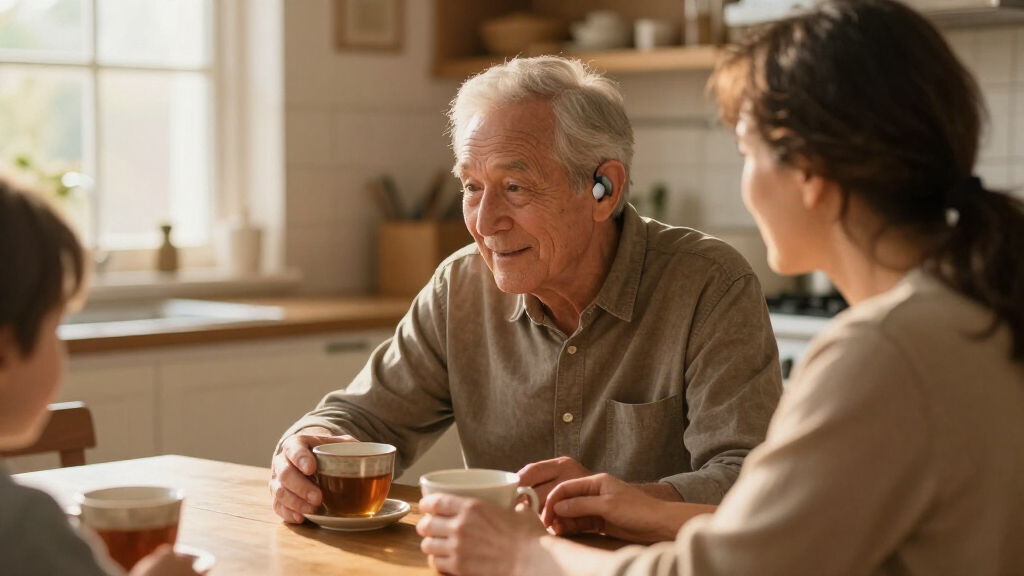
A study of 567 older adults in rural South Africa found an association between hearing impairment and higher odds of dementia. Researchers say the findings support attention to hearing and vision as part of brain health, but do not establish that hearing loss causes dementia or that treating it prevents the condition.
A study of 567 older adults in rural South Africa found that hearing impairment was associated with more than twice the odds of dementia, prompting geriatrician Brent Tipping to argue that hearing deserves earlier attention in discussions of brain health. The research does not show that hearing loss causes dementia or that treating hearing loss prevents it.
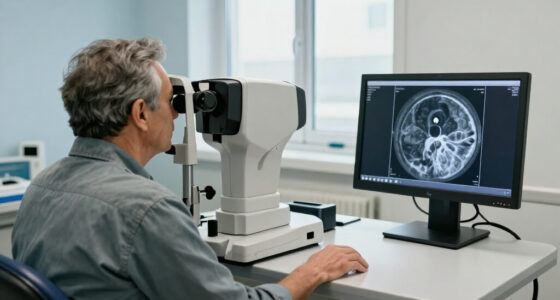
The study, published in 2025 in Alzheimer’s & Dementia, examined hearing, vision and dementia among older adults in Agincourt, Mpumalanga. Participants were part of HAALSI, the Health and Aging in Africa: A Longitudinal Study of an INDEPTH Community in South Africa. Its authors reported links between sensory impairment and dementia risk; the source report says visual impairment at both near and far distances was also associated with elevated risk.
Tipping, a geriatrician at Wits Donald Gordon Medical Center and a co-author of the study, said the findings point to the value of hearing and vision interventions for overall brain health. That is an interpretation of the observed association, not proof that an intervention will lower dementia rates. The report does not provide the study’s detailed effect estimates for vision or hearing, nor does it describe a trial testing whether treatment changes dementia outcomes.
The report places sensory health alongside other areas relevant to cognitive health, including managing blood pressure, cholesterol, diabetes and weight, staying physically active, and addressing excessive alcohol use. Tipping also says clinicians may review sleeping medication when a patient has confusion or difficulty functioning during the day, since medicines can contribute to those problems. These points are part of a broader approach to assessment, not evidence that any single step prevents dementia.
Why Hearing Checks May Matter
The findings give clinicians and families another reason to take hearing difficulties seriously, rather than treating them only as a communication issue. Hearing problems can affect a person’s ability to follow conversations and participate in daily life. The study adds an association with dementia to that discussion, while leaving open what explains the relationship and whether addressing hearing loss changes the risk.
The distinction matters for public health messaging. A link between hearing impairment and dementia does not mean a person with hearing loss will develop dementia, and it does not establish that hearing aids or other treatment prevent it. Still, identifying sensory problems may form part of care for older adults, particularly when combined with assessment of vision, medication, health conditions and daily functioning.
The report also places prevention within a lifelong framework, rather than presenting dementia risk as something addressed only in old age. It cites the Lancet Commission estimate that addressing 14 modifiable risk factors could prevent or delay around 45% of dementia cases worldwide. That estimate concerns the combined factors identified by the commission; it should not be read as a figure attributable to hearing treatment alone.
Popular right now

Bose QuietComfort Wireless Bluetooth Headphones with Active Noise Cancellation, Mic, USB‑C Charging, Deep Bass, 24‑Hour Battery – White Smok

Shark HydroVac MessMaster Corded Wet/Dry Vacuum, Mop & Self-Clean (WD161)

Ninja DualZone Air Fryer 10 Qt Smart 6-in-1 Grey (DZ950)
As an affiliate, we earn on qualifying purchases.
Study Setting and Broader Risks
The research drew participants from Agincourt, in Mpumalanga, through the HAALSI study, which follows health and aging in a South African community. Its setting makes the results relevant to questions about dementia and sensory health in that population, but the source material does not establish that the findings apply equally to every country or demographic group.
South Africa also faces limits in specialist geriatric care, according to the report. Wits describes its Division of Geriatric Medicine as a major training and service center in sub-Saharan Africa; Tipping says there are only two funded national training positions in the specialty. Geriatric assessments can take time because clinicians consider medical conditions, medication, independence and support at home, not memory alone.
The scale of future need is also a concern. A Global Burden of Disease study projected that the worldwide number of people living with dementia could rise from about 57 million in 2019 to 153 million by 2050, with population growth and aging contributing to the increase. That projection is not specific to the South African study, but it helps explain why researchers and health services are examining potentially modifiable risks.
““But learning is lifelong. You don’t need to do crosswords or sudoku if you don’t enjoy them. Learning a new skill or pursuing any absorbing interest is good enough.””
— Brent Tipping
What the Association Cannot Show
The study’s reported association does not establish cause and effect. The source material does not say that hearing loss directly produces dementia, or that restoring hearing prevents or delays it. It also does not provide detailed figures on how dementia risk varied across participant groups, or explain how the researchers accounted for potential influences beyond sensory impairment.
Further questions include whether the findings can be generalized beyond the older adults studied in Agincourt and whether particular hearing or vision interventions affect cognitive outcomes. The report offers no results from a treatment trial. Hearing or vision concerns should be discussed with a qualified health professional, who can assess an individual’s needs; the study is not a basis for predicting any one person’s future health.
Research and Care Priorities
The report does not announce a new trial or give a timetable for further research. The next evidence needed would include studies that clarify how sensory impairment relates to dementia over time and whether addressing hearing or vision changes cognitive outcomes. Until then, the current findings support awareness and assessment, not a claim of proven dementia prevention.
For health services, the report also points to the need for capacity to assess older adults’ overlapping medical, cognitive and social needs. Tipping and colleagues have previously called for more university training units and research funding relevant to South African communities. Families and clinicians will continue to face questions about practical support as dementia affects independence and caregiving responsibilities.
Key Questions
What did the South African study find?
The study examined 567 older adults in Agincourt and reported an association between hearing impairment and higher odds of dementia. The report also says near and far visual impairment were linked with elevated risk.
Does hearing loss cause dementia?
The study does not establish that hearing loss causes dementia. It reports an association, which cannot by itself show that one condition caused the other.
Can treating hearing loss prevent dementia?
The source report does not show that hearing treatment prevents dementia. It says the findings point to the importance of hearing and vision interventions for overall brain health, while noting that prevention has not been established.
What other factors does the report mention?
The report discusses managing blood pressure, cholesterol, diabetes and weight, staying active, addressing excessive drinking, and reviewing medication when appropriate. These are presented as parts of broader health and cognitive care, not as guarantees against dementia.
Source: rss