
TL;DR
Open a free Amazon Business account
Business pricing, bulk buying and tax-exempt orders.
Create a free accountAs an affiliate, we earn on qualifying purchases.
Simplifying an Android phone involves activating Easy Mode, enlarging text, and decluttering apps. These steps make your device more accessible, especially for seniors or those with visual impairments, and create a less stressful experience.
Ever feel like your smartphone is more cluttered than it needs to be? Or that the tiny icons and fonts make it hard to see or navigate? If so, you’re not alone. Many Android users want a simpler, more user-friendly experience—especially seniors, people with visual impairments, or anyone overwhelmed by too many apps and confusing menus.
In this guide, you’ll discover straightforward ways to reshape your device into a calmer, clearer tool. From turning on Easy Mode and bumping up font sizes to trimming down apps, these tweaks can turn your phone into a device that feels more like a helpful assistant than a complicated gadget.
Enabling Easy Mode transforms your home screen into a larger, simpler layout, perfect for easier navigation.
Adjusting font size and display scaling makes reading on your screen more comfortable and less tiring.
Reducing apps and organizing them into folders declutters your device, speeding up access and reducing overwhelm.
Accessibility features like magnification and voice control help make your device usable for everyone, regardless of ability.
Third-party launchers offer a quick way to customize your device into a more accessible, less cluttered interface.
A calmer phone in three moves.
Simplifying an Android phone means making the interface easier to see, easier to understand and faster to navigate. Start with Easy Mode, enlarge text and display elements, then remove or organize distracting apps.
Use larger icons, a simpler home screen and fewer visible choices.
Adjust font size, display scaling, contrast and magnification.
Leave only essential tools on the home screen and group the rest.
Simplify the interface first.
A useful phone does not need to show every option at once. Reduce visible choices, improve legibility and make essential actions easier to reach.
Easy Mode
Switch to a larger, cleaner layout with fewer home-screen decisions.
Larger text
Increase font size and display scaling until labels are comfortable to read.
Fewer apps
Uninstall, disable or move rarely used apps away from the home screen.
Access tools
Add magnification, voice control or large widgets when extra support helps.
Less friction, one layer at a time.
Each adjustment targets a different source of difficulty: visual clutter, eye strain, decision fatigue, inaccurate taps or complex navigation.
Easy Mode
Best for: small icons, confusing menus and crowded home screens.
Larger touch targets and fewer visible options make common actions easier to identify.
Tradeoff: some shortcuts may require an extra step.
Text & display size
Best for: squinting, eye fatigue and difficulty distinguishing controls.
Font and display scaling improve clarity across menus and many everyday apps.
Tradeoff: larger content means more scrolling.
App decluttering
Best for: distraction, slow app finding and visual overload.
Keep daily essentials visible; move occasional tools into folders or the app drawer.
Bonus: fewer background apps may help battery and performance.
Photos, files, contacts and installed apps remain intact. You can switch back to the standard layout later.
Design for what matters most.
A focused home screen gives the largest visual share to essential tasks and progressively hides tools that are used less often.
Four paths to a simpler phone.
Built-in settings are the safest starting point. Add accessibility tools or a reputable launcher only when they solve a specific need.
| Capability | Easy Mode | Accessibility settings | App cleanup | Simple launcher |
|---|---|---|---|---|
| Larger home-screen icons | ✓Built in | ~Via scaling | ✗No resize | ✓Custom layout |
| Larger text | ~Device dependent | ✓Direct control | ✗Unchanged | ~Launcher only |
| Fewer visible choices | ✓Simplified view | ~Indirect | ✓Full control | ✓Purpose built |
| Voice or magnification tools | ✗Separate setting | ✓Core feature | ✗Not included | ~Varies by app |
| Requires an installation | ✗No | ✗No | ✗No | ✓Play Store |
From clutter to confidence.
A simplified setup works because every change supports the next: fewer decisions improve focus, clearer controls reduce errors and repetition builds confidence.
Know before you simplify.
Menu names vary across Samsung, Xiaomi, OnePlus, Pixel and other Android devices. Search Settings for “Easy,” “Simple,” “Font size” or “Display size.”
Will Easy Mode delete anything?
No. It changes the interface while your apps, photos, contacts and files remain on the device.
Can text change without changing everything?
Usually yes. Font size controls text, while display size adjusts icons, buttons and other interface elements.
Are simplified launchers safe?
Choose reputable Play Store apps, read recent reviews and inspect requested permissions before installing.
Who benefits from simplification?
Seniors, people with visual or motor impairments, children and anyone seeking less digital noise can benefit.
Start with one change today.
Turn on Easy Mode, enlarge the text or remove five unused apps. The goal is not fewer capabilities—it is clearer access to the capabilities you actually need.
How to Turn on Easy Mode and Why It’s a Game-Changer
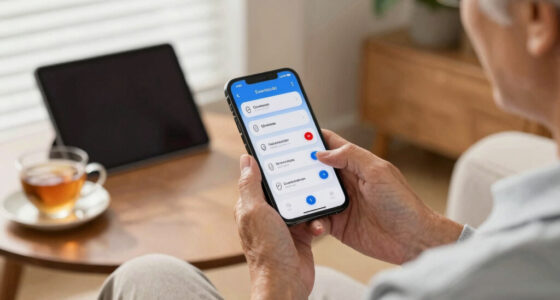
Easy Mode is a simplified interface built into many Android phones. It replaces your usual home screen with big icons, fewer options, and a straightforward layout. This design reduces visual clutter and streamlines navigation, which is especially important for users who find standard interfaces overwhelming or confusing. By focusing only on essential apps and functions, Easy Mode minimizes decision fatigue and makes it easier to perform common tasks quickly.
For example, on a Samsung Galaxy, you go to Settings > Display > Easy Mode and toggle it on. Your home screen instantly transforms into a large, colorful grid with only your essential apps. This change not only speeds up your interactions but also alleviates frustration caused by small icons or complicated menus. The tradeoff is that you may lose quick access to some features or apps not included in Easy Mode, but for many, the clarity and ease of use outweigh these limitations. It’s about choosing a simpler, more manageable interface that aligns with your needs.
Using Easy Mode can cut down frustration, especially if you’re not comfortable with small icons or complicated menus. It’s a quick, effective way to make your device more accessible without losing any important functions.
As an affiliate, we earn on qualifying purchases.
How to Make Text Bigger and Why It Matters
Increasing text size is one of the easiest ways to improve readability on your Android. Larger fonts reduce the need for squinting and make it easier to distinguish between different elements on the screen, which is crucial for users with visual impairments or aging eyes. When text is too small, it can cause eye strain and fatigue, leading to discomfort during prolonged use and increasing the risk of misreading or tapping the wrong button.
To do this, go to Settings > Accessibility > Font Size. Slide the bar to make text larger—some devices let you go up to 200% of the default size. This adjustment has a ripple effect: it enhances overall comfort, reduces the likelihood of mistakes, and can even extend the time you feel comfortable using your device. The tradeoff is that increasing font size may reduce the amount of information visible on the screen at once, which could require more scrolling. However, for many users, the improved clarity and reduced eye strain make this a highly valuable tweak. It transforms your device into a more welcoming and less stressful environment for daily interactions.
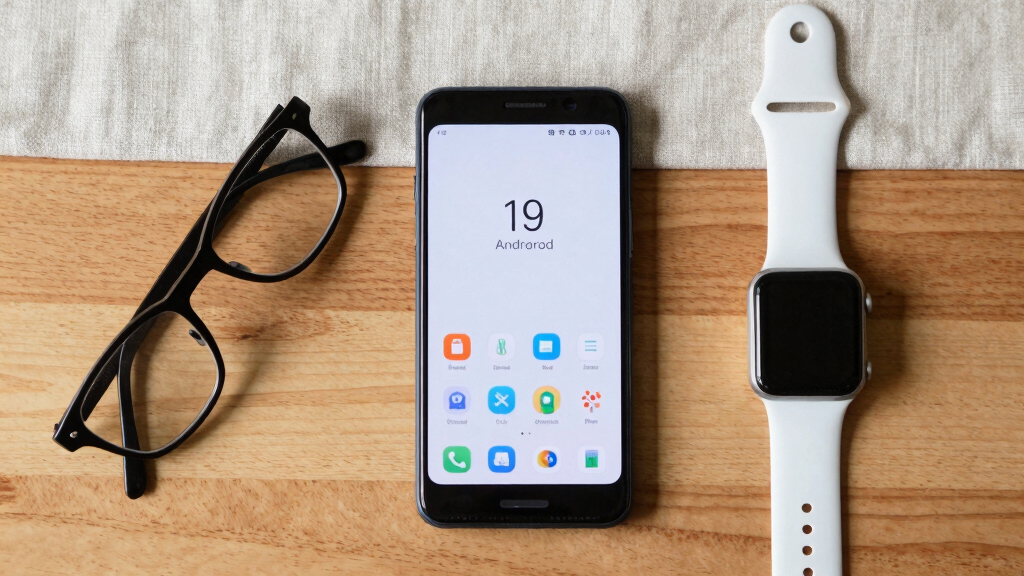
large text Android phone accessibility
As an affiliate, we earn on qualifying purchases.
As an affiliate, we earn on qualifying purchases.
How to Reduce App Clutter and Keep Only What You Need
Fewer apps on your home screen means less distraction and faster access to what matters. But beyond just deleting unused apps, organizing your remaining apps in a thoughtful way can significantly improve your experience. When your home screen is cluttered, it’s easy to feel overwhelmed or distracted, which can hinder productivity and increase stress. By uninstalling or disabling apps you no longer use, you free up space and reduce background activity that can drain your battery and slow down your device.
Next, organize remaining apps into folders or place them in the app drawer. For example, grouping all your messaging apps in one folder labeled “Communicate” simplifies your interface and makes finding contacts easier. Keeping only your most-used apps on the home screen minimizes visual noise and allows you to focus on what you actually need. This decluttering also has practical benefits: it can improve device performance, reduce lag, and extend battery life because fewer background processes are running. The key is to strike a balance—keeping enough apps accessible for your daily routine without creating overwhelming clutter. This way, your device becomes a streamlined tool that supports your activities without adding mental load.
As an affiliate, we earn on qualifying purchases.
Frequently Asked Questions
How do I enable Easy Mode on my Android device?
Most Android phones have Easy Mode tucked away in Settings. Usually, go to Settings > Display > Easy Mode or Simple Mode, then toggle it on. If you can’t find it, check your device’s user manual or manufacturer support site.Can I change the font size without affecting other display settings?
Yes, you can. Under Settings > Accessibility > Font Size, slide the bar to increase or decrease text size. This change affects most apps and menus, making reading easier without altering your entire display.Are third-party launchers safe to install?
Generally, yes, if you choose reputable apps from the Google Play Store. Read reviews and check permissions before installing. Launchers like Big Launcher and Simple Launcher are well-known for accessibility and simplicity.Will turning on Easy Mode delete my apps or data?
No. Easy Mode only changes how your device looks and functions. Your apps, photos, and files stay exactly the same—just in a simpler interface.Is simplifying my Android right for everyone?
Absolutely. Whether you’re a senior, have visual impairments, or just want less digital noise, customizing your device makes it more comfortable and easier to use for anyone.Android magnification accessibility device
As an affiliate, we earn on qualifying purchases.
As an affiliate, we earn on qualifying purchases.
Conclusion
Making your Android simpler isn’t about losing features; it’s about gaining clarity. Small adjustments like turning on Easy Mode, enlarging fonts, and trimming apps can transform your device into a more approachable tool. Think of your phone as a familiar workspace—less clutter, more focus, better control.
Start with one change today. Your device should serve you—not the other way around. Imagine a phone that feels like a helpful hand, not a confusing maze—because that’s exactly what it can become.
Back to school Picks
back to school
As an affiliate, we earn on qualifying purchases.