TL;DR
Listen free for 30 days with Audible
Thousands of audiobooks and originals — cancel anytime.
Start your free trialAs an affiliate, we earn on qualifying purchases.
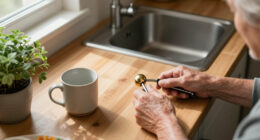
As eyes age, they need more light to see clearly, but glare and contrast matter just as much. Focused, adjustable task lighting in key areas like kitchens, reading spots, and hallways can make everyday tasks safer and more comfortable.
Imagine trying to read a label or thread a needle in dim light. Frustrating, right? As we get older, our eyes need more help to see clearly, especially in specific spots around the house. The secret isn’t just cranking up the brightness everywhere — it’s about targeted, thoughtful lighting that makes daily tasks safer and easier.
In this guide, you’ll learn exactly where brighter lamps help most, how to position them, and what specifications to look for. Whether it’s cooking, reading, or walking up stairs, the right light can transform your home into a safer space.
Older eyes require two to three times more illumination for clear vision.
Task lighting should be directed, adjustable, and free of glare to be effective.
Focus on key areas like kitchens, reading spots, stairs, and closets for maximum safety.
Choose fixtures with high CRI, proper lux levels, and diffusers for comfort.
Smart, layered lighting setups boost safety and ease of use while reducing eye strain.
Task Lighting for Aging Eyes: Where Brighter Lamps Help Most at Home
More light helps—but placement, contrast, and glare control decide whether it truly improves vision. Direct adjustable light toward demanding tasks, keep transitions between rooms gentle, and shield bright sources from direct view.
Put brighter light where detail and safety meet.
Focused light is most valuable where small details, sharp tools, medication labels, steps, or changing floor levels demand quick and accurate vision.
Reading & close work
Small print, sewing, crafts, and medication sorting benefit from strong contrast and an adjustable beam.
Best move: Place the lamp beside and slightly behind the shoulder.Kitchen surfaces
Ceiling lights often put the user’s shadow across counters, food, knives, controls, and hot appliances.
Best move: Use continuous under-cabinet light bars.Medication & personal care
Even illumination supports label reading, dose organization, grooming, and accurate facial visibility.
Best move: Light mirrors from both sides or around the perimeter.Stairs & hallways
Consistent, shadow-free light helps reveal step edges, handrails, obstacles, and changes in floor height.
Best move: Add step lights, night-lights, and motion sensors.Entrances & closets
Dedicated light improves visibility of locks, keys, house numbers, shoes, and clothing colors.
Best move: Aim focused light at locks and inside storage.Work areas & bedside
Workshops need bright color-accurate light; bedside areas need movable, warm, partner-friendly light.
Best move: Choose adjustable, diffused fixtures for both.Measure light at the task—not at the bulb.
Lux describes illumination reaching the work surface. Start with these practical ranges, then adjust for vision, task size, contrast, comfort, and glare.
Practical illuminance ranges
Relative bar length uses 1,000 lux as the comparison ceiling.
Glare can reduce visibility even when a light meter shows ample illumination. Increase usable light with diffusion, shielding, and careful positioning before simply choosing a brighter bulb.
Match the fixture to the visual problem.
The strongest setup usually combines even ambient light with a brighter, adjustable task source. The table highlights the most useful intervention and the mistake most likely to undermine it.
| Area | Primary need | Best intervention | Glare control | Avoid |
|---|---|---|---|---|
| Reading chair | Fine detail and contrast | Adjustable lamp beside and behind the shoulder | ✓ Essential | Light reflecting from glossy pages |
| Kitchen counter | Even light without body shadows | Continuous under-cabinet light bar | ✓ Essential | Widely spaced spots and ceiling-only light |
| Bathroom mirror | Even facial illumination | Side-mounted or around-mirror lighting | ✓ Essential | One exposed high-output overhead bulb |
| Stairs & hallway | Depth, edges, and safe transitions | Step lights plus top, bottom, and landing light | ~ Keep levels even | A dazzling source beside a dark corridor |
| Closet & entrance | Small-object and color recognition | Dedicated focused light near locks and storage | ~ Shield the source | Depending on blocked room light |
| Workshop & laundry | Precision and color accuracy | Adjustable diffuse lamp with CRI 90+ | ✓ Essential | Hand and tool shadows across the task |
| Bedside | Reading and safe night movement | Movable warm lamp plus low night-light | ✓ Partner-friendly | ✗ Powerful overhead light at night |
Aim for the task, then remove the reflection.
Set the lamp beside and slightly behind the shoulder.
Direct light onto the work surface, away from the eyes.
Check for page reflections, hand shadows, and bright hot spots.
Better visibility is a layered result.
Aging changes how the eye receives and processes light. A successful home setup responds with multiple coordinated improvements rather than one extremely bright fixture.
Smaller pupils, lower lens transmission, slower dark adaptation.
Reduced contrast sensitivity and greater sensitivity to glare.
Brighter illumination reaches the page, counter, controls, or steps.
Diffusion, shielding, dimming, and even room-to-room transitions.
Clearer detail, less strain, safer movement, and easier tasks.
The goal is not maximum brightness. The goal is enough well-directed light to reveal detail without reflections, harsh shadows, exposed bulbs, or abrupt contrast between spaces.
Why Aging Eyes Need More Light — And How to Give It to Them
As you age, your pupils shrink, and your lens transmits less light. This means your eyes need roughly two to three times more illumination to see as well as when you were younger [1]. But more light isn’t just about brightness. It’s about reducing glare, increasing contrast, and avoiding harsh shadows. These factors are crucial because they directly influence how well you can distinguish objects and read text. Excessive brightness or poorly positioned lights can cause discomfort or glare, which can impair vision rather than improve it. Achieving the right balance involves understanding your environment and adjusting lighting accordingly, so the illumination enhances clarity without overwhelming your eyes.
For example, a person in their 60s might find that a well-placed, softer lamp helps them read a menu or see their keys better. Brightness alone can backfire if it causes glare or shadows, so balance is key.
adjustable task lamp for aging eyes
As an affiliate, we earn on qualifying purchases.
As an affiliate, we earn on qualifying purchases.
Where Brighter Lamps Make a Real Difference at Home
Some spots in your house are more demanding for aging eyes. Here’s where extra light truly helps:
| Area | Why Brighter Light Matters | Best Practice |
|---|---|---|
| Reading & Close Work | Details like small print or fine embroidery need clearer contrast. Without sufficient light, eyes strain more, leading to fatigue and errors. Proper illumination reduces the effort your eyes must exert to distinguish fine details, which is especially important for safety and accuracy. | Use adjustable lamps positioned beside and slightly behind the shoulder, aiming at the page without glare. This placement minimizes shadows and glare, supporting comfortable, sustained focus. |
| Kitchen Surfaces | Bright, even lighting helps judge food freshness, cooking progress, and avoid accidents. Insufficient lighting can cause misjudgments, such as undercooked food or cuts, increasing risk and decreasing efficiency. | Install under-cabinet lights or continuous LED strips over counters and stovetop areas. These provide uniform illumination, reducing shadows that can hide hazards or details. |
| Medication & Personal Care | Precise reading of labels and avoiding shadows on the face is safer. Poor lighting can lead to taking incorrect medication doses or missing important details in personal grooming. | Use side-mounted or around-mirror lighting, avoiding harsh, direct overhead bulbs. Proper placement ensures even light distribution, reducing eye strain and shadows on the face. |
| Stairs & Hallways | Shadow-free illumination reduces trip risks during night or in low light. Proper lighting helps your eyes gauge depth and detect obstacles more reliably. | Place lights at the top and bottom of stairs, plus motion-activated step lights. These ensure that every step is visible, and sudden dark spots are minimized, supporting safer navigation. |
| Entrances & Closets | Focus helps find keys, unlock doors, and select clothes quickly, especially in low-light situations. Insufficient or poorly directed light can cause fumbling or errors. | Use dedicated, focused lighting in key spots, such as inside closets or near door locks. Directional lights prevent shadows and improve visibility of small objects. |
| Workshops & Laundry | High illumination plus good color accuracy support safe, precise work. Poor lighting can lead to mistakes or accidents when handling tools or chemicals. | Adjustable task lamps with diffuse covers work well here by providing bright, even light that reveals true colors and details, reducing eye fatigue. |
| Bedside & Night Areas | Soft lighting eases movement and reading without disturbing a partner. Inadequate lighting can cause trips or difficulty finding items in the dark. | A small, warm-colored lamp and low nightlights do the trick, offering enough illumination for safety and comfort during nighttime activities. |
In each space, the goal is to reduce shadows, glare, and harsh contrasts — all of which challenge aging eyes. Properly designed lighting creates a safer, more comfortable environment by supporting natural visual cues and minimizing visual stress.
bright reading light with high CRI
As an affiliate, we earn on qualifying purchases.
As an affiliate, we earn on qualifying purchases.
How to Pick the Perfect Task Light — Simple Specs That Make a Difference
Choosing the right lamp isn’t just about wattage. It’s about how much usable light reaches your task, how comfortable it feels, and how flexible it is. Here are the specs to focus on:
- Lux (illuminance): Aim for 300–500 lux for reading, more for tiny print or craft tasks. Higher lux levels improve contrast and reduce the effort needed to discern details, but excessively bright lights can cause glare, so adjusting to personal comfort is key.
- Color Rendering Index (CRI): 90 or higher shows colors vividly, helping you judge food freshness or fabric quality. A high CRI ensures that colors appear natural, which is vital for tasks requiring color discrimination.
- Color Temperature: 2700–3000 K feels warm and cozy; 3500–4000 K offers a clearer, more neutral light. The choice affects mood and clarity; warmer tones are relaxing but may reduce contrast, while cooler tones enhance visual sharpness, especially for detailed work.
- Adjustability & Dimming: Flexibility lets you tailor brightness and direction for each task. Being able to dim or aim the light helps prevent glare and shadows, which is critical for comfort and safety.
- Diffusers & Shields: Reduce glare and hot spots, making the light more comfortable. Proper diffusion spreads light evenly, reducing harsh contrasts that can strain aging eyes.
For example, a dimmable LED with a CRI of 92 and a flexible arm can adapt from gentle evening reading to sharp kitchen prep. The ability to fine-tune light levels and quality ensures that the lighting supports your activities without causing discomfort or visual fatigue. Conversely, fixtures with exposed LED points or poor diffusion may cause glare, leading to eye strain and headaches over time.
As an affiliate, we earn on qualifying purchases.
Common Mistakes That Make Your Lighting Less Effective
Many people unknowingly create lighting setups that make vision worse. Here’s what to avoid:
- Installing bare bulbs in direct line of sight, causing glare that can temporarily blind or discomfort your eyes, reducing visual acuity.
- Relying only on ceiling fixtures without localized task lighting, which leaves shadows and reduces contrast, making details harder to see and increasing eye strain.
- Creating sharp contrasts with dark rooms surrounding bright work areas, which forces your eyes to constantly adapt between extremes, leading to fatigue.
- Placing lamps where your head or hands block the light, which diminishes effective illumination and can cause shadows or glare in your line of sight.
- Using fixtures based solely on wattage, ignoring actual light quality and distribution, resulting in insufficient or uncomfortable lighting.
- Choosing cool, bluish light for tasks that need warmth or clarity, which can cause discomfort or misperception of colors.
- Ignoring dirty shades, yellowed diffusers, or aging bulbs that dim the light, diminishing effectiveness and increasing eye strain.
- Assuming all household members need the same light levels, neglecting personal needs and preferences, which can cause discomfort or inadequate illumination for some.
Small changes like adding diffusers, repositioning lamps, or selecting higher CRI bulbs can drastically improve comfort and visibility. Understanding these pitfalls helps you create a lighting environment that truly supports your vision needs and reduces unnecessary eye fatigue.
focused task lighting for kitchen counter
As an affiliate, we earn on qualifying purchases.
As an affiliate, we earn on qualifying purchases.
Latest Tech & Trends Making Task Lighting Smarter and Safer
Modern LED and smart lighting tech have made task lighting more adaptable and efficient. Notable features include:
- Tunable-white fixtures that switch from warm to cool light, allowing customization based on activity or time of day.
- Smart dimmers, voice controls, and preset scenes for convenience, enabling quick adjustments to suit different tasks or moods.
- Motion sensors that turn on lights automatically in hallways or closets, reducing the need to fumble for switches and ensuring illumination when needed most.
- Rechargeable, cordless lamps for flexible placement, offering targeted lighting without the constraints of cords or fixed fixtures.
- High-CRI LEDs that show colors vividly without flicker, supporting tasks that require accurate color perception.
- Integrated under-cabinet lights with fewer shadows, providing uniform task lighting in kitchens and workspaces.
- Daylight and occupancy sensors that adjust brightness automatically, optimizing energy use while maintaining safety and clarity.
These innovations support layered, adaptable lighting environments that can be tailored to individual preferences and needs, reducing eye strain and increasing safety. For example, a motion-activated nightlight in the hallway can prevent trips, while tunable fixtures in the kitchen offer optimal lighting for different cooking activities.
Quick Facts: Making Your Home Safer & Smarter with Better Lighting
Here’s what you should remember about lighting for aging eyes:
- Older eyes need two to three times more light for the same task, highlighting the importance of targeted, layered lighting strategies rather than simply increasing overall brightness.
- Localized task lighting beats flooding a room with brightness because it provides specific illumination where needed, reducing glare and contrast issues that can impair vision.
- Proper placement and contrast are just as important as brightness, as they influence how comfortably and accurately eyes can distinguish objects.
- Dimming and adjustability help tailor lighting to individual needs, preventing glare and accommodating different tasks or times of day.
- Good lighting can’t fix eye diseases but significantly improves safety and comfort by reducing unnecessary visual stress and fatigue.
Frequently Asked Questions
How bright should a reading lamp be?
A good reading lamp should deliver about 300–500 lux on the page, depending on your vision and the size of the print. Use a dimmable fixture so you can adjust the brightness for comfort and avoid glare or shadows.
Are LED lamps good for aging eyes?
Yes, if they are well diffused and positioned correctly. Choose LED fixtures with high CRI (90+) and low flicker to reduce eye strain. Avoid bright, exposed LED points that can cause discomfort.
Is warm or cool light better?
Neither is universally better. Warm light (2700–3000 K) feels cozy and relaxing, while cooler light (3500–4000 K) can make work areas appear clearer. The key is sufficient illumination with good color rendering and glare control.
Where should a reading lamp be positioned?
Place it beside and slightly behind the shoulder, aimed at the page. This positioning prevents shadows from your hand and keeps the light from shining directly into your eyes, making reading more comfortable.
Can a lamp be too bright?
Yes. Excessively bright lamps can cause glare and discomfort. Use diffusers, adjust the position, or dim the light to find a comfortable, effective level for your tasks.
Conclusion
Brighten the spots that matter most. A well-placed, adjustable lamp isn’t just about seeing better — it’s about staying safer, more independent, and comfortable at home. Think of lighting as your silent partner in everyday life. When you give your eyes what they need, everything becomes clearer, calmer, and easier.
So, next time you reach for a lamp, ask: Does it focus light where I need it most? If not, it’s time for a change. Let your home shine where it counts — for your eyes and your peace of mind.
Labor Day sales Picks
labor day deals
As an affiliate, we earn on qualifying purchases.