
TL;DR

Turn quiet afternoons into listening time
- Thousands of audiobooks, podcasts and originals
- Listen on your phone, tablet or Echo — also offline
- Cancel anytime
Leaders from Trilogy Health Services and Signature HealthCARE described how their organizations use AI and predictive tools to support nursing home care and operations. They reported fewer hospitalizations for a monitored group at Trilogy and fewer falls in Signature buildings using fall-prevention technology, but the figures were shared by the operators and detailed study methods were not provided.
Trilogy Health Services and Signature HealthCARE are using AI and predictive monitoring tools to flag possible health problems, reduce falls and organize clinical documentation, nursing leaders from the operators said at a Philadelphia conference. They described reported results from programs at their facilities while emphasizing that technology must fit caregivers’ work and avoid adding operational complexity.
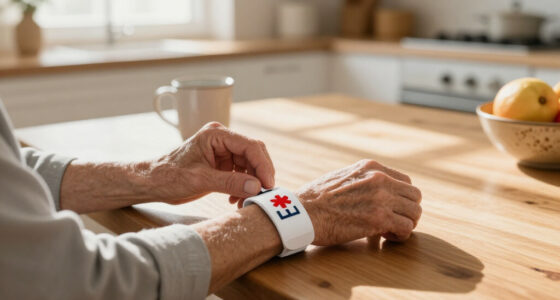
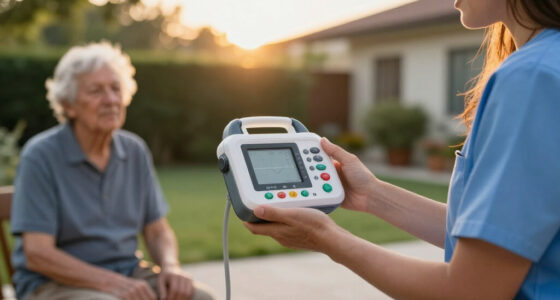
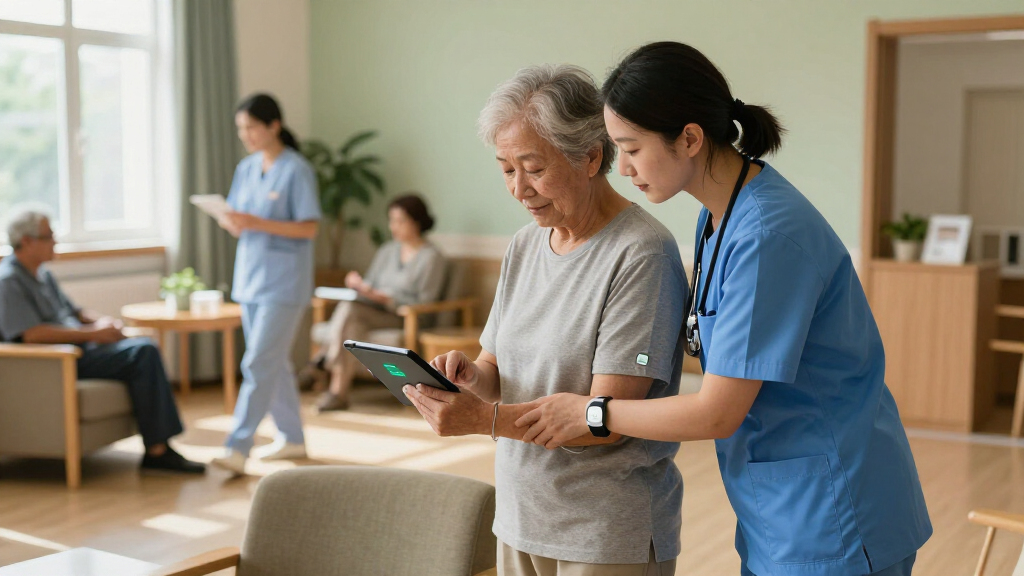
Trilogy Senior Vice President and Chief Nursing Officer Rhonda Dempsey said residents considered at higher risk of rehospitalization wear a chest-mounted device that monitors them around the clock. When a resident’s temperature remains about two degrees above their personal baseline for roughly an hour, the system alerts a nurse, who assesses the resident and contacts a practitioner. Dempsey said the program is used for about 300 residents and has helped reduce hospitalizations by 60%. The report did not provide a comparison period or further details on how that reduction was measured.
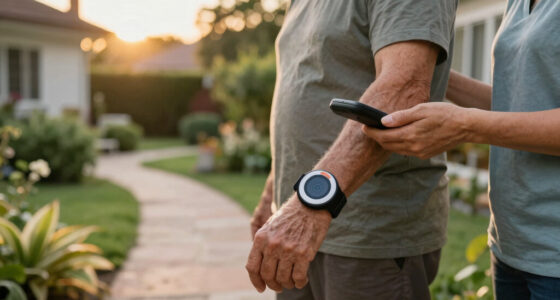
Signature Chief Nursing Officer Barbara Revelette said the operator introduced CareAI fall-prevention technology at four facilities, supported by a state grant in Tennessee, and has since expanded it to 20 buildings. The system detects resident movement and alerts staff; Signature’s clinical teams reported an 80% decrease in falls in buildings where it was implemented. The account did not specify the time period or baseline used for that figure. Revelette also described a virtual sitter program, in which a live staff member can monitor about eight to 10 residents remotely and contact facility staff when a resident appears to be trying to get up.
The operators also use AI-supported tools to help identify gaps in clinical documentation and bring information into dashboards for review. Revelette said this can make it easier to retrieve records requested by auditors. The discussion took place at Skilled Nursing News’ ReThink conference; the outlet reported that Trilogy operates more than 140 senior living communities, while Signature operates 69 locations across five states.
Earlier Alerts, Fewer Manual Tasks
For nursing homes, the examples show how operators are applying AI to specific tasks: prompting a clinical assessment when a resident’s monitored signs change, alerting staff to movement that may precede a fall, and organizing records for review. The intended benefit is to help staff respond earlier and spend less time on documentation, rather than to replace clinical judgment or direct care.
The reported results could matter to residents, families and operators weighing whether to adopt monitoring systems. But the figures come from statements by the companies’ nursing leaders, not from independently described evaluations in the report. The results therefore do not establish that the technology alone caused the reported declines or that the same outcomes would occur at other facilities.
Popular right now

Apple AirPods Pro 3 Wireless Earbuds with Active Noise Cancellation

Vitamix Propel Series 750 Professional-Grade Blender, 4 Programs, Black

Shark PowerPro Reveal Plus Cordless Vacuum Cleaner, Charcoal, IZ376H
As an affiliate, we earn on qualifying purchases.
How the Operators Apply AI
The approaches described by Trilogy and Signature differ. Trilogy’s example centers on continuous monitoring of selected high-risk residents and alerts tied to changes from an individual temperature baseline. Signature’s examples include ambient movement detection, remote human monitoring and tools to organize clinical documentation. In the virtual sitter program, the monitor is a live person supported by AI and ambient monitoring, not an automated replacement for a caregiver.
Both leaders framed staff acceptance and system integration as operational requirements. Dempsey said tools must relate directly to facility work and remove or improve tasks for caregivers; otherwise, nurses may stop using them. She also cautioned that staff may turn to unapproved tools if operators do not provide workable alternatives, potentially creating privacy and compliance risks. The panel discussion presented these points as operational concerns, not as evidence of a specific breach.
“When their temperature goes up two degrees above their baseline and sustains for about an hour, the nurse gets the alert, goes down and assesses the resident, and calls the practitioner.”
— Rhonda Dempsey, Trilogy Health Services senior vice president and chief nursing officer
Limits of the Reported Results
Measurement details remain limited. The conference account does not give the time windows, comparison baselines, resident characteristics or evaluation methods behind the reported 60% reduction in hospitalizations and 80% decrease in falls. It is also not clear how much of either outcome can be attributed to the technology rather than other changes in care or staffing.
The report does not detail the privacy, consent, data-retention or security arrangements for each system, nor does it say whether the tools have been assessed independently. Signature’s leaders said the virtual sitter program is still gaining features and that the organization has not yet used all of its capabilities. The operators did not provide further figures on cost, staffing effects or broader deployment plans.
Further Rollout and Evaluation
Signature is continuing to develop its virtual sitter program and has expanded the fall-prevention technology from four facilities to 20, according to Revelette. The report does not give a schedule for further expansion. Trilogy’s monitoring tool is being used with about 300 residents, and Dempsey said the organization tracks it weekly.
Further information on how the programs perform over time would help clarify the reported outcomes, including the comparison periods and how results vary by facility. The operators’ leaders also said successful use depends on partnering with technology providers, fitting systems into staff workflows and keeping documentation and privacy requirements in view.
Key Questions
What AI tools are Trilogy and Signature using?
Trilogy uses a wearable monitoring device for selected high-risk residents to alert nurses to sustained temperature changes. Signature uses movement-detection technology for fall prevention, a virtual sitter program with live monitors, and AI-supported tools to organize clinical documentation.
What results did the operators report?
Trilogy’s Rhonda Dempsey said its monitoring program has helped reduce hospitalizations by 60% among the program’s users. Signature’s Barbara Revelette reported an 80% decrease in falls in buildings using its fall-prevention technology. The report did not specify the measurement windows or baselines for those figures.
Does Signature’s virtual sitter program use only AI?
No. Revelette described it as a live-person monitoring service supported by AI and ambient monitoring. A sitter can contact facility staff when a resident appears to be trying to get up.
Are the reported outcomes independently verified?
The conference report attributes the figures to the operators’ nursing leaders and does not describe an independent evaluation or provide detailed methods. The results should be understood as company-reported outcomes.
What concerns did the nursing leaders raise about adoption?
They said technology should fit caregivers’ work and reduce or improve tasks rather than add complexity. Dempsey also warned that staff may use unapproved tools if operators do not provide suitable options, which could create privacy or compliance concerns.
Source: rss