TL;DR
Open a free Amazon Business account
Business pricing, bulk buying and tax-exempt orders.
Create a free accountAs an affiliate, we earn on qualifying purchases.
Medical alert wearables for dementia offer safety without sacrificing comfort. Modern devices combine GPS, fall detection, and discreet design to support independence and peace of mind.
Imagine a device that whispers safety without shouting it. That’s the promise of gentle medical alert wearables for someone with dementia. They’re not just about technology—they’re about preserving dignity, independence, and peace of mind for both your loved one and you. No bulky gadgets, no stigmas—just simple, thoughtful tools that blend into daily life.
This guide will help you understand what features matter most, recent innovations, and how to pick a device that feels like a caring extension of your loved one. Because safety doesn’t have to come at the expense of comfort.
Choose lightweight, comfortable wearables that resemble jewelry to promote consistent use.
Look for devices with reliable GPS, fall detection, and waterproof features tailored to your loved one’s lifestyle.
Recent tech advances, like AI and better sensors, make wearables smarter and more accurate.
Involving healthcare providers in your decision can help match the device to specific needs.
Privacy and security should be top considerations—select trusted brands with encryption and clear policies.
What makes a wearable gentle and suitable for someone with dementia?
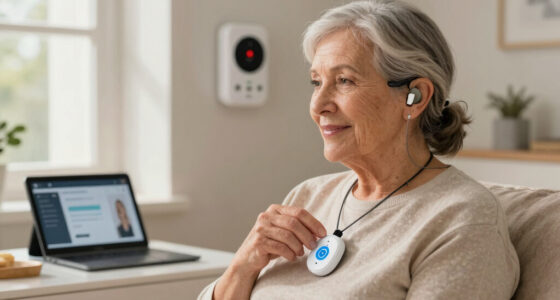
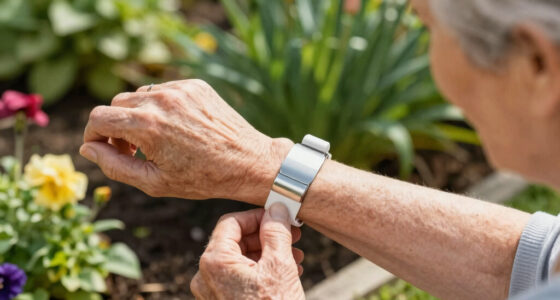
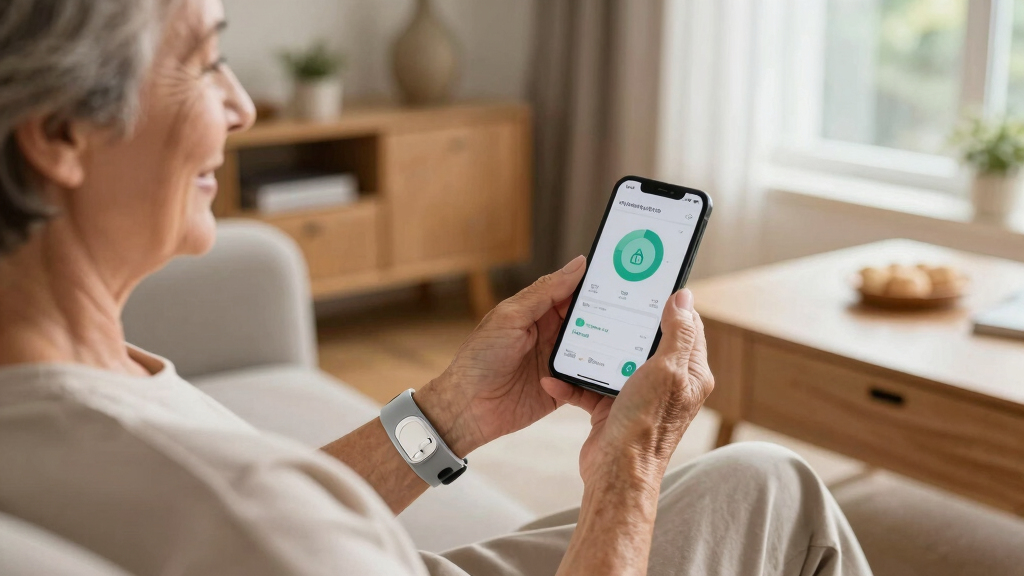
Gentle wearables are lightweight, soft, and unobtrusive. Think of a thin bracelet made from hypoallergenic silicone or a sleek pendant that feels more like jewelry than medical gear. For example, a caregiver once described a loved one’s GPS watch as “a stylish accessory that doesn’t scream medical device.” Comfort is key to consistent use. If your loved one finds the device irritating or embarrassing, they’re less likely to wear it.
Choosing a gentle device means prioritizing ease of wear and subtlety. It should be easy to put on and take off, with large buttons or simple interfaces. A good example: a discreet pendant that clips onto clothing or a soft wristband with a gentle closure.
Why does this matter? Comfort and subtlety directly influence whether your loved one wears the device regularly. If a device feels uncomfortable or stigmatizing, it risks being discarded or ignored, which defeats its safety purpose. The tradeoff often lies in balancing durability and ease of use with aesthetics—some highly durable devices might be bulkier, but selecting lightweight, jewelry-like designs can promote consistent wear without sacrificing safety features.

SecuLife SOS Wristband for Seniors with Fall Detection — Alerts Go Direct to Family, No Call Center | One-Button Simplicity, GPS Tracking, Geofencing, 2-Way Calling, Waterproof Medical Alert
- SOS Call & Fall Detection: Emergency calls and automatic fall alerts
- Easy Activation: Monthly subscription with unlimited alerts and tracking
- Real-Time GPS & Geofencing: Location monitoring and safe zone alerts
As an affiliate, we earn on qualifying purchases.
As an affiliate, we earn on qualifying purchases.
How recent tech makes these devices safer and smarter
Modern devices go beyond simple GPS or buttons. They now incorporate advanced sensors that detect falls with fewer false alarms—saving you from unnecessary panic. For instance, some wearables use AI algorithms to distinguish between a fall and a quick sit-down, reducing false alerts by over 20%, according to recent studies [2]. This is crucial because false alarms can lead to caregiver fatigue, unnecessary emergency responses, and loss of trust in the device’s reliability.
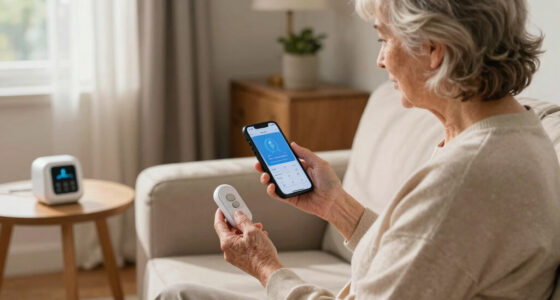
Connectivity has improved too. Devices now work on 4G or 5G networks, meaning they stay connected outdoors or in remote areas. This enhances safety because location data remains accurate and accessible at all times, reducing gaps in coverage that could leave your loved one vulnerable. Additionally, some devices integrate with smart home systems, allowing for voice-activated help or medication reminders. These innovations create a layered safety net, but they also introduce potential tradeoffs, such as increased complexity or privacy considerations.
Why does this matter? Smarter sensors and better connectivity mean fewer false alarms and more reliable location tracking, which are essential for timely intervention. However, increased technological complexity can sometimes be intimidating for users or caregivers unfamiliar with tech, so choosing a device that balances sophistication with user-friendliness is key.

Fajocru Fall Detection Smart Watch for Seniors with GPS Tracking, SOS Alert, Waterproof Fitness Tracker for Dementia/Alzheimer’s, 4G Safety(Black)
- Fall Detection and SOS Alarm: Automatic fall alerts with emergency notifications
- Real-Time GPS & Geo-Fencing: Precise location tracking and safe zones
- Two-Way Voice Communication: Easy call and voice messaging for seniors
As an affiliate, we earn on qualifying purchases.
As an affiliate, we earn on qualifying purchases.
Comparison table: Features that matter in dementia-friendly wearables
| Feature | Why It Matters | Example |
|---|---|---|
| GPS Tracking | Real-time location allows caregivers to respond quickly to wandering, reducing the risk of injury or getting lost. Accurate tracking can also provide peace of mind, especially during outdoor activities or in unfamiliar environments. | A pendant that updates caregiver on your loved one’s whereabouts every 5 minutes, enabling rapid response if they stray from safe areas. |
| Fall Detection | Detects falls promptly and alerts caregivers, which is critical because falls can lead to serious injuries or delays in assistance. The accuracy of fall detection influences response time and reduces anxiety for both caregiver and patient. | Wristband with sensitive accelerometers that notify if a fall occurs, allowing immediate help—especially important during times when the individual might be unable to call for help themselves. |
| Two-Way Communication | Enables direct contact, reassurance, or warnings, fostering trust and quick response. It also provides a sense of connection and control for the wearer, which can be comforting and reduce agitation. | A watch with a big button to call a caregiver directly, making communication simple and accessible even for those with limited dexterity. |
| Waterproof | Ensures the device remains functional during baths, outdoor activities, or rainy weather, which are common times when the device might otherwise be removed or damaged. Waterproof features extend device lifespan and usability. | Water-resistant wristbands that dry quickly and last longer, allowing continuous wear without concern for water exposure. |
| Discreet Design | Reduces stigma and encourages regular wear. When the device looks like jewelry or a fashionable accessory, the wearer is more likely to keep it on, which maintains safety coverage. | Stylish jewelry-like pendants or sleek wristbands that blend seamlessly with daily outfits, fostering a sense of normalcy and dignity. |

UNICGIFT Medical Alert ID Necklace, Laser Engraved Blood THINNER, Stainless Steel Tag Pendant with 23.6 inch Chain for Men Women Emergency First Aid
- Medical Condition Engraving: Blood Thinner in all caps for visibility
- Premium Material: 316L stainless steel, hypoallergenic and waterproof
- Pendant Size: 0.94 x 1.53 inches (2.5 x 3.9 cm)
As an affiliate, we earn on qualifying purchases.
As an affiliate, we earn on qualifying purchases.
Practical tips for choosing the right gentle wearable
- Assess your loved one’s comfort preferences. Do they prefer a bracelet or pendant? Understanding their style and comfort needs helps ensure consistent use, which is vital for safety. For example, some individuals may find jewelry more familiar and less stigmatizing, encouraging daily wear.
- Prioritize features based on their risks—fall detection, GPS, or both? Consider their environment and activity level to determine which features will provide the most meaningful safety benefits without overcomplicating the device.
- Test the device for ease of use—can they operate it without frustration? A device that’s complicated or difficult to manage can lead to non-use, defeating its purpose. Simplified interfaces and large buttons are essential for ease of operation.
- Consult healthcare providers for recommendations tailored to their needs. Professionals can help identify specific risks and suggest devices that integrate well with existing health plans or routines.
- Check the aesthetic design—does it look like jewelry or medical gear? The visual appeal influences daily wear. A device that resembles jewelry fosters normalcy, but ensure it doesn’t compromise safety features.
- Ensure the device is waterproof and has a long-lasting battery. These features reduce maintenance and ensure the device remains functional during all daily activities, fostering trust and reliance.
- Consider how the device integrates with broader safety and health management systems. Compatibility with other tools or emergency systems can enhance overall safety, but it may also involve tradeoffs like increased complexity or cost.
Fajocru Fall Detection Smart Watch for Seniors with GPS Tracking, SOS Alert, Waterproof Fitness Tracker for Dementia/Alzheimer’s, 4G Safety(Black)
- Fall Detection and SOS Alarm: Automatic fall alerts with emergency notifications
- Real-Time GPS & Geo-Fencing: Precise location tracking and safe zones
- Two-Way Voice Communication: Easy call and voice messaging for seniors
As an affiliate, we earn on qualifying purchases.
As an affiliate, we earn on qualifying purchases.
Case example: How discreet wearable made a difference in real life
One family switched from a bulky medical alert device to a sleek, stylish pendant for their mother with early-stage dementia. The pendant, made of soft silicone and designed like a charm, was worn daily without fuss. When she wandered outdoors, GPS tracking helped her location be found within minutes, avoiding a potential emergency.
The mother felt more comfortable and less stigmatized, leading to higher daily wear compliance. The family reported peace of mind and a significant reduction in anxiety during outdoor activities.
What to keep in mind about privacy and security
Privacy matters. Reputable devices encrypt data and comply with health privacy laws. Always review the privacy policies before choosing a device. For example, some devices transmit location data over secure channels, protecting your loved one’s information from hackers.
Be cautious about devices that share data with third parties without clear consent. Ensuring your loved one’s safety doesn’t mean sacrificing their privacy. The implications of data sharing are significant: improper handling can lead to privacy breaches, identity theft, or misuse of sensitive health information. Therefore, selecting devices with transparent policies and robust security measures is essential to maintaining trust and legal compliance.
Frequently Asked Questions
Are medical alert wearables safe for dementia patients?
Yes, when selected carefully, these devices are designed with safety features like GPS, fall detection, and secure data transmission. Always choose reputable brands and verify features to match your loved one’s needs.
How do I encourage my loved one to wear the device consistently?
Make it comfortable and attractive—think jewelry, not medical gear. Involve them in choosing the style and explain its purpose gently. Establish a routine, like putting it on in the morning, to build habit.
What if my loved one forgets to wear it?
Use reminders, routines, or attach the device to clothing they always wear. Combining wearable safety tools with home safety measures creates a stronger safety net.
Are these devices covered by insurance?
Coverage varies depending on your insurance plan and location. Some programs or Medicaid may subsidize costs. Check with your provider or local health agencies for options.
How do I ensure the device’s data privacy?
Choose devices from trusted manufacturers that encrypt data and comply with health privacy laws. Review privacy policies carefully before making a purchase to protect your loved one’s information.
Conclusion
Supporting independence with gentle, discreet wearables transforms safety from a burden into a respectful care partner. Remember, the goal is to blend safety with dignity, allowing your loved one to live more freely while staying protected.
When you pick a device that feels like part of their everyday style, you’re not just buying a gadget—you’re fostering confidence, comfort, and peace of mind for all involved.
Fall Picks
fall essentials
As an affiliate, we earn on qualifying purchases.