
TL;DR
Listen free for 30 days with Audible
Thousands of audiobooks and originals — cancel anytime.
Start your free trialAs an affiliate, we earn on qualifying purchases.
Porting a landline number to a cell phone is straightforward thanks to FCC rules. Keep the landline active until the transfer completes, and expect it to take 3–10 days. This way, your parent keeps their number without losing contact or causing confusion.
Imagine your parent’s landline number, your family’s anchor for decades, suddenly becomes tricky to keep. Maybe the landline’s unreliable, or costs are rising. Yet, losing that familiar number feels like losing a piece of their identity. Thankfully, you can transfer it to a simple cell phone without losing touch or causing chaos in their routine.
This guide walks you through the steps to keep that number safe, explains what’s happening behind the scenes, and shares practical tips to make the switch smooth. Whether you’re handling it for an aging parent or helping a loved one stay connected, understanding the process saves headaches and keeps everyone happy.
Never cancel the landline before the port completes. Keep it active until the number transfers successfully.
Gather all necessary info — account number, PIN, name, address — before starting the process.
Expect the port to take 3–10 days. Prepare for some overlap to avoid missed calls.
Choose a simple, senior-friendly phone with large buttons, loud speakers, and safety features.
Address safety-critical systems like medical alarms early to ensure they switch seamlessly to cellular or IP-based service.
Keep the Number.
Switch the Phone. Lose Nothing.
Your parent’s landline number has been the family anchor for decades — known to doctors, pharmacies, banks, and old friends. Under FCC rules, that number can move to a simple, senior-friendly cell phone. Here is exactly how the port works, what to prepare, and what to watch out for.
landline-to-cell port
often within hours
copper landline network
rating to look for
How to Keep the Same Number — Step by Step
Porting moves the number from one carrier to another without changing the digits. The number attaches to the account and SIM — not the device — so it works just as well on a basic flip phone as on a smartphone.
Gather account info
Pull the exact account number and PIN from the latest landline bill, plus name and address as printed.
Keep landline active
Do not cancel. The line must stay live for the entire process or the number is forfeited.
Contact new carrier
Choose the mobile provider and phone plan, then request to port the existing landline number in.
Submit the details
Provide account number, name, service address, and PIN exactly as they appear on the bill.
Wait for the port
Expect 3–10 business days. Both phones may work during overlap — calls won’t be missed.
Test thoroughly
Make and receive calls, check voicemail, confirm the number. The old line then turns off automatically.
Never Cancel the Landline First
Cancel early, lose the number permanently.
The single biggest mistake is cancelling the landline before the port completes — doing so cuts off the number for good. Think of it as holding onto the old keys until the new ones are in your hand. The overlap is your safety net: if the port hits delays, doctors, banks, and family can still reach your parent on the familiar line. The porting process itself terminates the old service automatically once it finishes.
Account number
Found on the landline bill — on Verizon bills it sits at the top right. Copy it digit for digit.
Name & address
Exactly as printed on the bill — even small spelling differences can trigger a rejection.
PIN or passcode
Increasingly required by AT&T and Verizon landlines. Call the provider first if you don’t have it.
A recent paper bill
Your fastest evidence for resolving disputes or mismatched records during the port.
How Long Does the Switch Take?
Landline-to-wireless ports involve two different network types, so they take days — not hours. Start the port on a Monday and expect completion anywhere from Wednesday to the following Monday. The overlap is intentional: use it to confirm calls ring through on the new phone.
Mismatched details
Name, address, or account number doesn’t match carrier records exactly — the most common rejection.
PIN lock or PIC freeze
A security freeze on the old account blocks the transfer until it’s lifted by the account holder.
Provider backlog
Technical issues or carrier queues. Normal — keep the landline live and the wait costs nothing.
What Else Might Be Wired to the Landline?
Safety-critical systems often ride on the home phone line. Each one needs its own migration plan — cellular dialer, IP-based service, or a dedicated line — before you port the number.
| Connected System | Risk Level | What Happens If You Just Port | Migration Path |
|---|---|---|---|
| Medical alert pendant | ✗ Critical | SOS calls fail silently — the pendant has nowhere to dial out. | Switch to a cellular-based alert unit or the phone’s own urgent-response button. |
| Home alarm system | ~ High | Alarm can’t reach the monitoring center during a break-in or fire. | Ask the alarm company for a cellular dialer or IP-based monitoring module. |
| 911 calling | ~ Changes | Landlines auto-transmit the home address; cell E911 is less precise indoors. | Teach your parent to state the address first; program ICE contacts. |
| Telehealth / remote monitoring | ~ Check | Some devices transmit readings over the phone line and stop reporting. | Confirm each device with the provider; most modern units support IP or cellular. |
| Fax machine | ✓ Low | Analog fax rarely works over cellular connections. | Move to an online fax service, or keep a minimal line if truly needed. |
| Corded handsets at home | ✓ Easy | Familiar phones go quiet — a comfort and routine loss. | A wireless “home phone” adapter keeps corded handsets working over the mobile network. |
Simple & Safe: Features That Matter for Seniors
Simplicity beats specs. Models like Lively’s Jitterbug Flip2, Consumer Cellular’s basic flips, and Nokia or Alcatel flip phones are built around exactly these priorities — and any replacement must support 4G LTE VoLTE or newer, since US 3G networks shut down in 2022.
Large buttons & simple menus
Big, tactile keys and a short menu tree reduce misdials and frustration for arthritic hands and tired eyes.
Loud, amplified speaker
High-volume earpiece and speakerphone so calls stay clear without the phone pressed hard to the ear.
Hearing-aid rating M4/T4
The highest hearing-aid compatibility class — check the spec sheet before buying, not after.
Urgent-response button
A dedicated SOS key partially replaces medical-alert functionality and summons help in one press.
Caregiver apps
Some services let family check in, manage contacts, or get alerts — support without taking away independence.
Wi-Fi calling fallback
Where home cell signal is weak, Wi-Fi calling routes calls over broadband — and remember: cells need battery and signal.
What to Know Before You Commit
A few phone calls up front prevent surprise fees and coverage gaps on moving day.
Porting fees & final bills
The FCC allows carriers to charge a porting fee, but most major US carriers don’t. Some providers require the final landline bill to be settled before releasing the number — ask first.
Bundles & early termination
Early-termination fees are rare today, but if the landline is part of a promotional bundle, cancelling can forfeit discounts. Clarify the impact with customer service before initiating the port.
The 911 difference
A landline automatically transmits the home address to 911; a cell phone’s E911 location is less precise indoors. Coach your parent to say the address first, and set up ICE contacts on day one.
Why now? The copper sunset
Since the FCC’s 2019 forbearance order, carriers may retire copper networks with notice — AT&T plans to retire most of its copper by around 2029. For many families, this switch isn’t optional, just early.
From Kitchen Wall to Coat Pocket
Latest Bill
Account # + PIN + exact name
Port Request
New carrier submits transfer
Overlap Window
Both phones live · 3–10 days
Verified & Tested
Calls in & out confirmed
Number Lives On
Old line auto-disconnects
How to Keep the Same Number — The Simple Step-by-Step Process
The core of keeping a landline number when switching to a cell phone is porting. Think of it as moving your phone number from one carrier to another, without changing the actual number. The process involves a few key steps:
- Check the old landline account for the exact account number and PIN.
- Make sure the landline remains active during the whole process.
- Contact the new mobile provider and request to port the number.
- Provide the necessary info: account number, name, address, PIN.
- Wait for the port to complete — usually within 3 to 10 business days.
- Test the new phone thoroughly once the port finishes.
For example, if your parent uses AT&T, you’ll need their account number and PIN from the latest bill. Keep the landline active until the new number works on the cell. Once the port is done, the old landline will usually turn off automatically, and the number now lives on the new device.
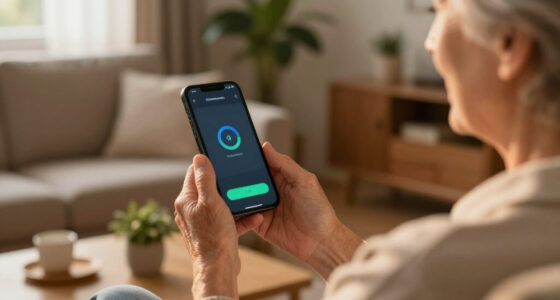
senior friendly cell phone with large buttons
As an affiliate, we earn on qualifying purchases.
As an affiliate, we earn on qualifying purchases.
Why Never Cancel the Landline First — The Golden Rule
The biggest mistake? Cancel the landline before the port finishes. Doing so cuts off the old number permanently, and you won’t be able to get it back. Keep the landline active until the porting process completes. Think of it like holding onto your old keys until the new ones are ready.
During this overlap, your parent can still receive calls on their landline, and you can test the new cell to ensure it works properly. This overlap is crucial because it provides a safety net—if the port encounters delays or issues, your parent will still have their familiar number active and accessible. Cancelling too early might seem like a quick fix, but it risks losing the number entirely, forcing you to go through re-activation or losing contacts. The overlap period is when the transfer is verified and finalized, making it the most critical phase for a smooth transition. This approach minimizes the risk of missed calls, miscommunications, and the frustration of losing a treasured number that’s part of your family’s history.
For example, if you cancel the landline too early, your family’s old contacts, doctor, or bank might be confused or unable to reach your parent. Keeping the old line active ensures a smooth transition, with no missed calls or lost connections.
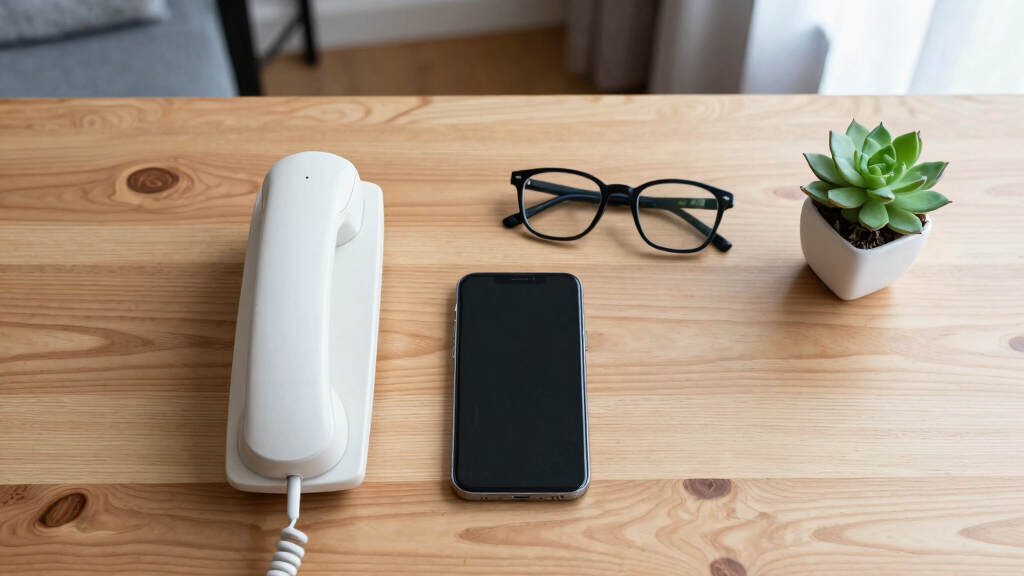
landline to mobile number porting guide
As an affiliate, we earn on qualifying purchases.
As an affiliate, we earn on qualifying purchases.
What Info Do You Need to Start the Port — Easy Checklist
Gathering the right info makes the port smoother. Here’s what you’ll need:
- Account number from the landline bill
- Name and address exactly as on the bill
- PIN or passcode (if required)
- Recent paper bill for quick reference
If you’re missing details like the account number or PIN, call the landline provider before starting. Some companies might have alternative ways to verify your identity. Having everything ready speeds up the process and reduces delays.
For example, if your parent’s landline is with Verizon, the account number is on the top right of their bill. Use the exact spelling and address to avoid rejection, especially if the name differs slightly from how you usually refer to them.
As an affiliate, we earn on qualifying purchases.
Expected Timeline and What to Expect During the Transition
Most landline-to-cell porting takes about 3 to 10 business days. Cellular-to-cellular ports can be faster, often within hours. During this time, your parent might still have both phones working, so calls won’t be missed.
Be aware: if there are mismatched details or a PIN lock, delays happen. Sometimes, the old landline rings until the port is finished. After the switch, the old line typically turns off automatically. Testing the new device ensures everything works smoothly and avoids surprises.
Understanding this timeline helps prevent unnecessary panic or confusion. Delays can occur due to incomplete information, technical issues, or provider backlogs. Recognizing that these delays are normal, and that the overlap period is intentional, helps you plan accordingly. It’s also an opportunity to verify that your parent’s number is functioning correctly on the new device before the old line is permanently disconnected. Being prepared for a few days of overlap ensures you don’t miss important calls during the transition and gives you peace of mind that the process is on track.
For example, if you start the port on Monday, expect it to finish anywhere from Wednesday to the following Monday. During those days, confirm that calls go through on the new phone and that the number is correctly assigned.
As an affiliate, we earn on qualifying purchases.
What If the Landline Service Costs or Has Restrictions? Here’s What You Should Know
Most carriers don’t charge extra for porting, but some might. Check with the provider to avoid surprises. If your landline is under contract, early termination fees could apply, though these are rare today.
Also, if the landline is part of a bundle or has a special agreement, clarify how canceling or transferring affects those plans. In some cases, your provider might require you to settle the final bill before starting the port.
Understanding these potential costs and restrictions is important because unexpected fees or contractual obligations can complicate the transition. For example, if your landline is part of a promotional bundle, canceling prematurely might result in losing discounts or incurring fees. Being aware of these factors allows you to plan financially and logistically, ensuring the process remains smooth without surprises.
In addition, some providers might have policies about early termination or specific procedures for porting, which could impact the timing or cost. Contacting customer service beforehand helps clarify these details, so you’re not caught off guard when initiating the transfer. This preparation minimizes delays and unexpected expenses, making the switch more straightforward and less stressful.
Best Phones and Features for Seniors — Keeping It Simple and Safe
When choosing a phone for an elderly parent, simplicity is key. Look for features like large buttons, loud speakers, hearing aid compatibility, and easy menus. Some models even include emergency buttons or caregiver apps.
Popular options include the Jitterbug Flip2 from Lively, basic models from Consumer Cellular, and Nokia flip phones. These devices are sturdy, easy to use, and often designed with senior safety in mind.
For example, a Jitterbug Flip2 offers a large screen, big buttons, and a dedicated 5Star urgent response button. It’s perfect for someone with limited mobility or hearing loss.
Choosing the right device isn’t just about ease of use; it can significantly impact safety and independence. Devices with loud speakers and hearing aid compatibility can reduce frustration and ensure your parent stays connected in emergencies. Emergency buttons or quick-dial features provide peace of mind, knowing help is just a button away. Carefully weighing these features helps you select a device that will serve your loved one well and promote their confidence in using technology.
Important Safety Tips — 911, Medical Devices, and Home Systems
Keeping the same number means ensuring safety. Landlines automatically send your home address to 911; cell phones rely on E911, which isn’t always precise indoors. Program ICE contacts and keep the address handy.
Many medical alert systems or alarm pendants are wired to the landline. Before porting, check if your parent’s system can switch to cellular or IP-based service. Some require a dedicated line or a new dialer.
For example, if your parent uses a medical alert pendant connected to the landline, contact the provider early to arrange a cellular upgrade or a new system. Failing to do so could leave them unprotected during the switch. Understanding how these systems work and planning ahead ensures continuous safety coverage. If these devices aren’t compatible with cellular or internet-based systems, delays or gaps in emergency response could occur, posing serious risks. Proactively coordinating with service providers helps you avoid these pitfalls, ensuring your loved one remains protected throughout the transition.
What About House Systems and Devices That Depend on the Landline?
Alarm systems, fax machines, or remote health monitors often rely on a landline connection. Before porting, develop a backup plan such as cellular dialers or IP-based systems.
For instance, a family with a medical alarm needs to switch to a cellular communicator or a VoIP line. Contact the provider early to coordinate the migration, avoiding lapses in coverage or false alarms.
Some families opt for wireless home phone adapters that connect to Wi-Fi, allowing the existing cordless handset to work over the internet. It’s a seamless way to keep familiar devices functioning during the transition.
Addressing these dependent systems in advance is critical because their failure during the transition could lead to false alarms, missed emergency signals, or disruptions in vital monitoring. Planning for alternative solutions—like cellular-based alarms or internet-connected devices—ensures continuous protection. This foresight reduces stress and guarantees that all essential home systems remain operational, preserving safety and peace of mind for your loved ones.
Recent Changes in Telecom — Why Now Is the Time to Act
The telecom landscape is shifting fast. The FCC’s 2019 order allows carriers to retire copper lines, and many are doing so by 2029. Meanwhile, the 3G shutdowns last year made many older phones useless. These changes push families to act now to preserve their number and service.
Cellular “home phone” devices and VoIP services offer flexible options. They keep the familiar number and avoid losing contact even if the landline disappears completely. Staying ahead of these shifts makes life easier for your parent and peace of mind for you.
For example, families are now switching to cellular adapters or VoIP to future-proof their connections, especially as traditional copper lines vanish.
Understanding these industry shifts reveals why delaying action might leave you with fewer options or higher costs later. Transitioning early allows you to choose the most suitable, reliable, and cost-effective solutions before traditional landline services disappear entirely. This proactive approach ensures continuity, minimizes disruption, and helps you avoid rushed decisions or service gaps caused by industry changes.
Quick Reference: Key Facts About Porting a Landline Number
| Fact | Details |
|---|---|
| Legal right to port | You can move your landline number to a mobile carrier under FCC rules. |
| Keep the landline active | Must stay active until the port completes; canceling too early results in losing the number. |
| Timeline | Usually 3–10 business days for landline to mobile port. |
| Device flexibility | The ported number works on any compatible device, including simple flip phones. |
| Cost | Most carriers do not charge for porting; check for potential fees if under contract. |
Your Top Questions Answered — Clearing Up the Confusion
Can I really keep my parent’s landline number on a cell phone? Yes. By porting, the number moves from the landline to the cell provider, keeping everything familiar.
How long does the whole process take? Expect 3–10 days, with some overlap so calls aren’t missed.
Will I lose the number if I cancel the landline first? Absolutely. Never cancel until the port is confirmed complete.
What info do I need from the old bill? Account number, name, address, and PIN if applicable.
Does porting cost anything? Usually no, but check with your provider to confirm.
What if the house has a medical alert system? Contact the provider early to plan a cellular or internet-based upgrade.
Conclusion
Switching a parent’s number from landline to cell doesn’t have to be stressful. Understanding the process and avoiding common pitfalls makes the transition smooth and keeps your loved one connected. Think of it as moving their number from one home to another — careful planning keeps everything in place.
Remember, this transition is about safety, familiarity, and peace of mind. With a little preparation, your parent’s number continues to be their anchor in a changing world. Now, take that first step — their next call could be just a few days away.
Back to school Picks
back to school
As an affiliate, we earn on qualifying purchases.