
TL;DR

Turn quiet afternoons into listening time
- Thousands of audiobooks, podcasts and originals
- Listen on your phone, tablet or Echo — also offline
- Cancel anytime
A Medical Xpress report offers practical communication guidance for people talking with someone living with dementia. It recommends speaking directly and respectfully, reducing distractions, allowing time to respond and following the person’s emotional cues. The article also says sudden changes in awareness or mood may need urgent medical attention.
Medical Xpress has published practical guidance on communicating with people living with dementia, recommending that friends, relatives and caregivers slow down, reduce distractions and let the person guide the exchange. The advice matters because dementia can affect memory, language and information processing, while respectful communication can help people remain included in everyday conversations.
The report describes dementia as an umbrella term for brain diseases that can affect memory, language and communication. Some people may have difficulty finding words or understanding them; others may need more time to process what has been said or to keep track of a conversation. The effects differ from person to person, so the article advises against assuming what someone can understand or do.
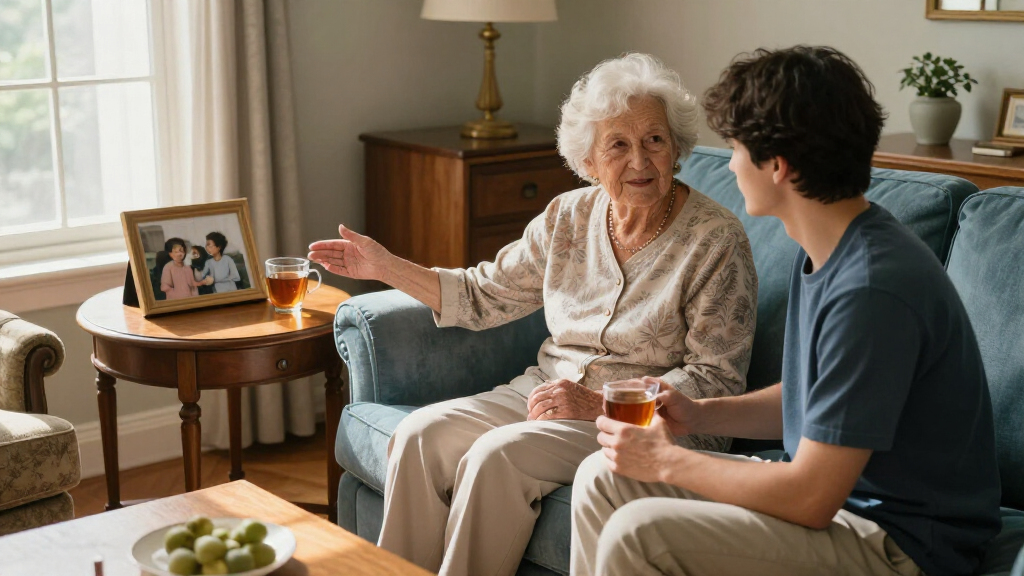
Practical suggestions include choosing a quiet, well-lit place, keeping group conversations small where possible, and making sure hearing or visual aids are being used. The report advises sitting where the person can see the speaker, putting away phones and using clear body language, such as smiling and nodding. It also recommends speaking to the person directly, using their name and, when helpful, briefly reminding them how they know one another.
When a person needs time to answer, the guidance says not to rush in or finish their sentences. Questions may be easier to respond to when they include context. If someone talks about a person or place from the past as if it were present, the report suggests responding to the emotion behind the words rather than arguing or automatically correcting them. It advises avoiding lies where possible, while acknowledging feelings and redirecting the conversation if that helps reduce distress.
Making Everyday Conversation Inclusive
The advice focuses on inclusion and respect, not on expecting a person with dementia to carry a conversation in a particular way. A quieter setting, more time and direct attention can make it easier for someone to take part without being spoken over or treated as if they cannot understand. The article also notes that people with dementia face stigma and discrimination, making respectful communication relevant beyond practical convenience.
Conversation is not the only way to connect. The report suggests familiar music, art, gardening or time with grandchildren as possible shared activities. Listening to songs the person knows may offer companionship without putting pressure on them to find words. These are options, not guaranteed treatments or outcomes; what feels comfortable will vary by person.
The guidance also recognizes the well-being of family members and caregivers. Supporting someone can be difficult, and the report encourages people to take breaks, seek support and ask others for help. It frames communication difficulties as neither the person’s fault nor the caregiver’s, and says mistakes are part of being human.
Popular right now

TCL QM64L 85-Inch QD-Mini LED 4K Smart Fire TV

TCL T7 Series 85-Inch 4K 144Hz QLED Smart Google TV

Ninja DualZone 6-in-1 Air Fryer, 8-Qt, Grey, DZ801
As an affiliate, we earn on qualifying purchases.
Why Dementia Changes Conversation
The Medical Xpress article describes dementia as progressive, while noting that symptoms and communication abilities can vary. Tiredness, illness or pain can make it harder for anyone to pay attention; the report says changes during the day are also more common in some types of dementia. These differences mean a strategy that works in one conversation may not work every time.
Its recommendations are practical adjustments rather than a single prescribed method. Caregivers can plan around known preferences and sensitivities, including choosing a calmer location or asking one or two people to speak at a time. At larger gatherings, the article suggests having someone available to support the person if they become overwhelmed.
For reminiscence, the report says a memory book may prompt positive recollections when a person asks about someone or somewhere familiar. It also cautions that not every past relationship or experience is positive. Sharing relevant history with the care team or others involved in support may help them notice distress and avoid difficult subjects.
““There is no one way of talking to people living with dementia.””
— Medical Xpress report
Changes That Need Medical Attention
The report does not provide individualized advice for particular dementia diagnoses or circumstances, and the helpfulness of any approach can differ by person. It also does not establish that music, reminiscence or other suggested activities will have the same effect for everyone.
It distinguishes gradual dementia-related changes from a sudden change in awareness, location awareness, mood or perception. The article says such a change could be delirium, which it characterizes as a medical emergency, and recommends checking for possible infection or recent medication changes and seeking help. The source does not specify a diagnostic process; readers should not try to diagnose the cause themselves.
Applying the Advice Day to Day
The guidance points to small adjustments during ordinary interactions: choose a calmer setting, face the person, give them time and follow their emotional cues. Family members can share relevant preferences and difficult history with the care team or other supporters, particularly when certain topics have caused distress.
If communication becomes difficult, the article recommends patience and support rather than blame. Caregivers can also contact support services, ask others to help and take time for their own well-being. Any sudden or marked change should prompt medical help, as the report warns it may signal an urgent problem rather than a typical conversational difficulty.
Key Questions
What is the main advice for talking with someone who has dementia?
Speak clearly and respectfully, address the person directly, reduce distractions and allow them time to respond. The report says to adapt communication without talking down to them.
Should I correct someone who refers to the past as if it is happening now?
The article advises against automatically correcting or arguing. Try to understand the emotion or need behind the words, acknowledge it and redirect the conversation if that may ease distress. Avoid lying where possible.
Can reminiscing help someone with dementia?
The report says reminiscence may be positive for some people and suggests a memory book as a possible prompt. It also cautions that past experiences and relationships are not always positive, so watch for distress and take the person’s history into account.
When should a sudden change prompt medical help?
The article says sudden changes such as disorientation, hallucinations or a marked mood shift could indicate delirium, which it describes as a medical emergency. It recommends seeking help rather than assuming the change is part of dementia.
Source: rss