
TL;DR
Listen free for 30 days with Audible
Thousands of audiobooks and originals — cancel anytime.
Start your free trialAs an affiliate, we earn on qualifying purchases.
A flip phone offers a straightforward, cost-effective way for parents to make calls without the distractions of a smartphone. Recent updates add safety features like emergency buttons and basic connectivity options, making them more versatile than ever. Focus on ease of use, compatibility, and safety when selecting the right device.
Imagine a device that’s as simple as a landline but portable—no endless menus, no confusing apps, just a reliable way to connect with loved ones. That’s exactly what many parents need: a phone that’s easy to use and dependable. Yet, with so many options, choosing between a flip phone and a smartphone can feel overwhelming.
This guide walks you through what makes flip phones a smart choice for parents who only want to make calls. We’ll explore recent upgrades, safety features, and practical tips to find the perfect device without the hassle. Because sometimes, simple is best—especially when it keeps your loved one connected and safe.
Flip phones are ideal for call-only users due to their large buttons, simple menus, and long battery life.
Recent models incorporate safety features like emergency buttons and GPS, merging simplicity with essential safety.
Always verify network compatibility and prioritize safety features over extra bells and whistles.
Affordable plans and refurbished options make flip phones budget-friendly for seniors and minimalists.
Testing the device with your parent ensures they’re comfortable and confident using it daily.
Flip Phone or Smartphone for a Parent?
If your parent only wants to make calls, simplicity is the feature that matters most. A modern flip phone combines tactile controls, long battery life and lower cost with useful upgrades such as emergency buttons, hearing-aid support and current network connectivity.
Designed around the call—not the apps
Physical controls and predictable behavior reduce cognitive load. That can turn a frustrating device into something a parent uses confidently every day.
Large tactile buttons
Clearly labeled keys are easier to see, feel and press than small touchscreen targets, especially with reduced dexterity.
Fewer wrong turns
Short menus and limited features reduce accidental taps, confusing notifications and anxiety about changing settings.
Less charging
Longer battery life means fewer interruptions and a better chance that the phone is ready when an urgent call matters.
Open to answer
The flip mechanism provides an intuitive physical cue: open for a call, close to end it. No gesture learning required.
Smaller digital footprint
Fewer apps and accounts reduce exposure to malware, data sharing, misleading prompts and unwanted online activity.
Compact and sturdy
A protected internal screen and simple construction can make a flip phone easier to carry and more forgiving in daily use.
What the differences mean in real life
For a call-only user, the best device is not the one with the longest feature list. It is the one that remains charged, understandable and comfortable.
| Feature | Flip phone | Smartphone | Call-only verdict |
|---|---|---|---|
| Ease of use | ✓ Large keys, simple menus | ✗ Touch gestures and layered menus | ✓ Flip phone |
| Battery life | ✓ Often several days | ~ Commonly 1–2 days | ✓ Flip phone |
| Purchase cost | ✓ Often $20–$150+ | ✗ Frequently higher | ✓ Flip phone |
| Emergency tools | ✓ Dedicated SOS on some models | ~ Powerful but more complex | ✓ Simpler access wins |
| Hearing and vision | ✓ Loud audio, large type available | ~ Excellent settings, more setup | ✓ Test with the parent |
| Apps and video calls | ✗ Limited or unavailable | ✓ Broad access | ~ Smartphone only if needed |
| Distraction and risk | ✓ Fewer apps and prompts | ✗ More notifications and scams | ✓ Flip phone |
Availability and exact performance vary by model, carrier, signal coverage and enabled features.
Choose the right phone without the hassle
Complete these checks in order. A brilliant phone on the wrong network—or one your parent dislikes holding—is still the wrong phone.
Confirm the network
Verify the exact model supports your carrier, local coverage and voice service. Favor current 4G LTE support; treat 5G as optional for call-only use.
Prioritize safety
Look for a dedicated emergency button, loud speaker, speed dial, hearing-aid compatibility and GPS when location support is important.
Test it together
Ask your parent to unlock it, call a favorite contact, adjust the volume, answer an incoming call and charge it without coaching.
What deserves the most weight
These scores visualize relative importance for a parent whose stated goal is making dependable voice calls.
Call-only priority index
Relative buying importance · 100-point scale
From good choice to safer connection
The device itself is only the first link. Setup, rehearsal and a simple routine turn hardware into dependable communication.
Buy for the person, not the specification sheet.
A modern flip phone is usually the better choice for a parent who only wants calls. Confirm carrier compatibility, choose the right accessibility and safety features, then let your parent test the device. If they can make and answer a call confidently without help, you have found the right phone.
Why a flip phone might be the easiest call your parent will ever make
When the goal is just making calls, simplicity reigns. Flip phones are designed with large buttons, straightforward menus, and minimal distractions. For a parent who’s unfamiliar with modern tech or prefers a no-nonsense device, they’re a natural fit.
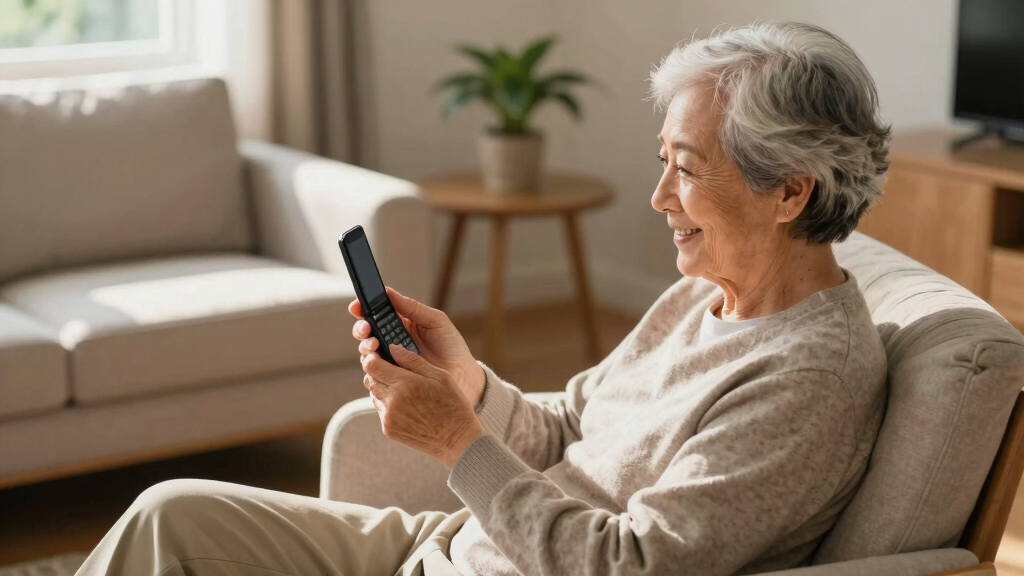
Picture a senior picking up a flip phone—no fumbling with apps or confusing icons. Instead, they press a big, clearly labeled button, hear a crisp sound, and connect instantly. This simplicity reduces cognitive load, making it easier for them to operate the device confidently. The physical flip mechanism also provides a tactile cue, reinforcing the idea that this device is solely for calls, which can alleviate anxiety about accidental functions. However, it’s important to recognize that while this simplicity is a strength, it also means limited functionality—no access to internet or apps, which might be a tradeoff for those who could benefit from basic emergency alerts or quick information access in rare cases.
As an affiliate, we earn on qualifying purchases.
What recent updates make flip phones more appealing than ever
Contrary to the perception of flip phones as outdated, recent models incorporate smart safety features that significantly enhance their value. Emergency SOS buttons, for example, allow users to quickly call for help without navigating complex menus, which is crucial in emergencies when every second counts. Simplified messaging options enable quick communication without overwhelming the user with unnecessary features. Additionally, newer flip phones support 4G or 5G networks, ensuring faster, more reliable connectivity, which is vital for emergency calls and staying connected in modern networks.
For instance, the Alcatel GO FLIP has added a dedicated emergency button and hearing aid compatibility, making it safer and more accessible for users with impairments. The Nokia 2760 reissue offers LTE support and a longer battery life, which means fewer disruptions when they need the device most. These updates matter because they bridge the gap between basic usability and essential safety, ensuring that the device remains relevant and reliable in today’s connected world. The tradeoff is that with added features, some users might find the device slightly more complex, but the safety benefits often outweigh this concern, especially for vulnerable users.
call-only flip phones with emergency button
As an affiliate, we earn on qualifying purchases.
As an affiliate, we earn on qualifying purchases.
How to choose the best flip phone for your parent in 3 simple steps
- Check network compatibility: Make sure the phone supports your carrier’s network, especially 4G LTE or 5G if available. Compatibility ensures the device will function reliably in your area, preventing frustration and repeated replacements.
- Prioritize safety features: Look for emergency buttons, hearing aid compatibility, and loud speakers. These features directly impact safety, accessibility, and ease of use, which are critical for older adults or those with impairments.
- Consider ease of use and ergonomics: Large buttons, high contrast screens, and a sturdy design make a big difference. These factors reduce user errors, boost confidence, and encourage consistent use, which is essential for safety and communication.
For instance, if your parent has hearing aids, choose a model like the Jitterbug Flip, which is specifically designed with hearing aid compatibility in mind. If they struggle with small buttons, opt for a device with larger, tactile keys to minimize frustration and accidental presses. Remember, the goal is to select a device that aligns with their specific needs and limitations, ensuring they feel comfortable and confident using it daily.
As an affiliate, we earn on qualifying purchases.
Flip phone vs. smartphone: Side-by-side comparison for call-only users
| Feature | Flip Phone | Smartphone |
|---|---|---|
| Ease of use | Large buttons, simple menus | Touchscreens, complex interfaces |
| Battery life | Up to a week | 1-2 days |
| Cost | Usually <$50 | $300+ |
| Network support | 4G LTE, some 5G | 4G LTE, 5G |
| Safety features | Emergency buttons, hearing aid support | Varies, usually more complex |
While this comparison highlights the practical differences, it’s important to understand what these differences mean in real-life scenarios. Larger buttons and simplified interfaces reduce cognitive load, especially for seniors or those with impairments, leading to quicker, more confident use. The extended battery life means fewer disruptions and less worry about charging frequency, which is critical for emergency situations or daily reliability. Cost considerations are significant—affordable flip phones can be purchased for under $50, making them accessible for many budgets. Network support ensures that the device will work reliably within your area, preventing frustration. Safety features like emergency buttons and hearing aid support are not just convenience—they can be lifesaving or significantly improve quality of life. Conversely, smartphones, while offering more features, can overwhelm users with complexity and shorter battery life, which may discourage consistent use. Therefore, the practical implications of these differences directly influence the effectiveness and safety of the device for call-only needs.
refurbished flip phones for seniors
As an affiliate, we earn on qualifying purchases.
As an affiliate, we earn on qualifying purchases.
Safety first: Why a flip phone can keep your parent safer
When safety matters most, flip phones shine. Many models now include emergency buttons that directly dial 911 or a trusted contact at the press of a button. They also often support GPS tracking, which can be crucial if your parent ever gets lost or confused. These safety features are designed to provide immediate assistance, reducing anxiety for both the user and their loved ones. The emergency button’s simplicity ensures that in stressful situations, your parent can quickly summon help without navigating menus or recalling complex procedures. GPS tracking further enhances safety by allowing family members to locate their loved one if they wander or become disoriented. The minimal features of flip phones also mean fewer chances of accidental calls or data breaches, which can be a concern with smartphones. Overall, these safety enhancements are not just added perks—they are vital tools that can significantly mitigate risks associated with aging or minimal tech users, offering peace of mind for everyone involved.
Cost, plans, and keeping it budget-friendly
Most flip phones come at an affordable price—some under $50. This low cost makes them accessible for many families, especially when budgets are tight. Moreover, many carriers offer specialized plans tailored for minimal use or seniors, which focus on unlimited calls and texts with little or no data, reducing monthly expenses. These plans often include features like rollover minutes or free emergency calls, which add value and peace of mind. Opting for refurbished or pre-owned models can further lower costs, making the technology even more accessible. When choosing a plan, consider whether your parent primarily needs voice calls and texts or if they might benefit from limited data. Selecting a plan aligned with their actual usage prevents unnecessary expenses and ensures they are not paying for features they won’t use. Budget-conscious options combined with reliable service allow your loved one to stay connected without financial strain, making safety and communication sustainable over time.
What about extra features? Are they worth it?
Some flip phones include features like a basic camera, voice assistant, or even a small flashlight. For a parent who only wants calls, these extras might seem appealing but often add unnecessary complexity. They can also increase the cost and maintenance of the device, potentially confusing the user or leading to frustration. The key is to evaluate whether these features genuinely enhance safety or daily convenience. For example, a simple emergency button or hearing aid compatibility provides real value, while a camera or voice assistant might be underused or misunderstood. The tradeoff involves balancing added functionality against simplicity and reliability. If safety features like emergency buttons and hearing aid support are available, prioritizing those ensures that the device remains straightforward yet capable of addressing critical needs. Extra features should only be considered if they align with the user’s specific circumstances, otherwise, they risk detracting from the core purpose of ease and safety.
Final tips: Making sure your parent will actually use it
Once you pick a device, it’s important to test it together to ensure it meets your parent’s needs. Check that buttons are large enough for easy pressing, sounds are loud enough to hear comfortably, and instructions are simple to understand. Setting up emergency contacts and doing a quick test call will confirm that everything functions correctly and that your parent feels confident using it. Encouraging regular use by placing the device in a visible, accessible spot—like a pocket, purse, or on the kitchen counter—helps reinforce its importance and ensures they remember to carry it daily. Providing clear, simple instructions and offering periodic check-ins can help prevent frustration and promote ongoing confidence. The goal is to make the device a seamless part of their routine, enhancing safety and communication without adding stress. When used consistently, the device becomes a trusted safety net, giving both you and your parent peace of mind every day.
Frequently Asked Questions
Which flip phone is best for a parent who only wants to make calls?
Popular options include the Jitterbug Flip, Nokia 2760, and Alcatel GO FLIP. They combine ease of use with safety features and good network support, making them ideal for call-only users.Are flip phones compatible with current networks?
Most modern flip phones support 4G LTE, and some now support 5G. Always verify compatibility with your carrier before purchasing to ensure seamless service.Can I add emergency features or GPS to a flip phone?
Yes, many newer flip phones include emergency buttons and basic GPS. Check specific models to confirm these safety features are available and easy to activate.How much do these phones typically cost?
Prices range from around $20 for basic models to over $150 for more feature-rich devices. Budget options are widely available, especially when considering refurbished options.Are flip phones suitable for seniors with hearing or vision impairments?
Many models are designed with hearing aid compatibility, large buttons, and high-contrast screens, making them accessible for users with impairments.Conclusion
Choosing a flip phone for your parent isn’t just about simplicity; it’s about peace of mind. A device that’s easy to use, reliable, and equipped with safety features can make all the difference. Think of it as a lifeline wrapped in a familiar, no-fuss package.
When you find the right fit, you’re giving your parent a tool that keeps them connected without overwhelming them. Sometimes, the simplest call is the most important one they’ll ever make.
College move-in / dorm season Picks
dorm essentials
As an affiliate, we earn on qualifying purchases.