
TL;DR
Open a free Amazon Business account
Business pricing, bulk buying and tax-exempt orders.
Create a free accountAs an affiliate, we earn on qualifying purchases.
Prepaid plans tend to be more cost-effective and flexible for seniors who rarely call, with no long-term commitments and easy management. Recent options include minimal data plans and senior-friendly features, making them a smart choice for low usage.
Prepaid plans often cost less and offer more flexibility for seniors who make few calls.
Choosing a plan with no contract and simple features saves money and reduces stress.
Most prepaid plans support existing unlocked phones, so seniors don’t have to buy new devices.
Always consider coverage and features that match your actual usage, not just marketing promises.
Start with a prepaid plan to test if it meets your needs before committing to a contract.
Prepaid vs Contract Phone Plans for Seniors Who Rarely Call
Imagine paying for a phone plan that fits your simple needs—without surprises or a long commitment. For seniors who make only occasional calls, prepaid usually delivers the better balance of cost, control, and simplicity.
Pay for your habits—not a bundle.
If calls are infrequent, a large monthly allowance has little value. The most useful plan is usually the one that covers essential communication while keeping fixed costs low.
Lower, predictable spending
Prepaid lets you select a modest allowance or add funds as needed, reducing the chance of paying for unused minutes, texts, and data.
No long-term lock-in
Switch plans or providers when needs change. There is generally no early-termination penalty and no need to maintain an oversized package.
Keep a familiar phone
Many prepaid services accept compatible unlocked phones, including simple devices with large buttons and senior-friendly interfaces.
Small needs deserve a small plan.
Prepaid works like a carefully sized grocery cart: buy what you need, when you need it. Modern options may include unlimited talk and text alongside a small data allowance.
Prepaid plans generally require no credit check and increasingly include unlimited calls and texts—making them accessible and practical for light users.
Prepaid versus contract
The right answer depends on usage, budget, coverage, and device needs. For someone who rarely calls, prepaid wins most of the everyday comparisons.
| Feature | Prepaid plan | Contract plan |
|---|---|---|
| Cost | ✓Lower or pay-as-you-go pricing can align spending with actual use. | ✗Higher fixed fees may include services a light user rarely touches. |
| Flexibility | ✓Switch plans or providers without a long commitment or termination fee. | ✗Device financing or service terms can make switching more difficult. |
| Devices | ✓Often supports a compatible unlocked phone you already know how to use. | ~May offer convenient financing, but often ties the device to ongoing payments. |
| Best use | ✓Occasional calls, texts, emergency access, and light mobile data. | ~Heavy use, premium devices, larger data needs, or valuable bundled services. |
| Credit check | ✓Usually not required, reducing barriers and setup complexity. | ✗May be required and could result in an added deposit. |
| Billing | ✓Pay before use, helping prevent bill surprises and overage charges. | ~Monthly billing can be convenient but may include taxes, fees, or extras. |
Choose with confidence.
Begin with your actual habits—not advertising claims. A short review of usage, budget, device compatibility, and local coverage can prevent years of unnecessary spending.
Measure use
Check how many calls, texts, and gigabytes you typically use each month.
Set a budget
Choose a monthly amount that is comfortable and sustainable on your income.
Check the phone
Confirm that your current device is unlocked and compatible with the network.
Verify coverage
Review service where you live, travel, visit family, and receive medical care.
Test prepaid
Try a no-contract plan first, then adjust after observing real-world use.
Coverage before price
A cheap plan is poor value if calls regularly drop or service is unavailable in important locations.
Look for useful features
Confirm voicemail, call forwarding, Wi-Fi calling, international access, and emergency features as needed.
Understand refill rules
Check whether balances expire, automatic payments are optional, and unused allowances roll over.
Ask about support
Prioritize clear instructions, reachable customer service, readable account tools, and local help if preferred.
Joan kept her phone—and more of her money.
Joan, a 72-year-old widow who rarely calls, moved from a $50 monthly contract to a $15 prepaid plan. She kept her familiar flip phone and adds service only when travel or family calls require it.
The change removed bill surprises, reduced her fixed expenses, and gave her more confidence managing service on a limited budget.
Match the plan to the person.
Prepaid is usually the stronger starting point, but the best plan is always the one that works reliably and includes only the features that matter.
You want less cost and commitment.
- You make only occasional calls or texts.
- You use little mobile data—often around 1–2 GB or less.
- You want to keep an existing compatible phone.
- You prefer predictable spending and simple terms.
- You want to avoid a credit check or lengthy agreement.
The extras provide real value.
- You regularly use large amounts of mobile data.
- You need device financing for a new smartphone.
- A bundled feature meaningfully reduces another expense.
- You need specialist international or multi-line benefits.
- The contract provider has clearly superior local coverage.
Bottom line: For seniors who rarely call, begin with a simple prepaid plan. Test its coverage, support, and features before paying more or accepting a long-term commitment.
Why Prepaid Plans Are Perfect if You Make Few Calls
Prepaid plans are like a pay-as-you-go grocery cart. You buy what you need, when you need it. For seniors who rarely call, they offer lower costs and no surprise charges. You add funds as you go, avoiding monthly bills or overages. Imagine topping up your plan only when you want to make a call — no pressure, no fuss.
For example, a senior might pay $15 a month for unlimited local calls, 100 texts, and a small data boost. If they only call once or twice a week, this setup keeps expenses predictable and simple. Plus, most prepaid plans don’t require a credit check, making them accessible for seniors with limited credit history. This flexibility means you can avoid being locked into a plan that doesn’t match your actual usage, which is especially important if your calling habits are infrequent. The ability to control your spending without long-term commitments reduces financial stress and ensures you only pay for what you need.
prepaid cell phone plans for seniors
As an affiliate, we earn on qualifying purchases.
As an affiliate, we earn on qualifying purchases.
How Contract Plans Can Be a Bad Fit for Light Call Users
Contract plans lock you into monthly payments, often bundled with devices and extras you don’t need. They might seem attractive with discounts on smartphones, but those savings come with strings attached. If you only make a handful of calls yearly, paying $50 or more each month feels like paying for a gym membership you never use. Over time, this can lead to unnecessary expenses, especially if your calling needs remain minimal.
For example, a senior with a basic flip phone might pay for unlimited calls, texts, and 5 GB of data. But if they only use 20 minutes a month, they’re paying for features they don’t utilize. The high fixed costs can drain your budget without providing real value. Additionally, breaking a contract early often incurs penalties, which can be costly and stressful. For seniors on a fixed income, this inflexibility can limit financial options and create ongoing worries about future expenses. Therefore, unless your usage justifies the cost, a contract plan might be more of a burden than a benefit, and the tradeoff is paying for unused features and potential penalties.
As an affiliate, we earn on qualifying purchases.
Comparison Table: Prepaid vs Contract for Light Call Users
| Feature | Prepaid Plans | Contract Plans |
|---|---|---|
| Cost | Lower, pay-as-you-go, predictable expenses that align with actual usage. You only pay for what you use, avoiding unnecessary charges. | Higher fixed monthly fees, often bundled with extras, which can lead to paying for unused services. This can strain a limited budget if your usage is light. |
| Flexibility | High — switch plans or providers anytime without penalties. This allows you to adapt your plan as your needs change, ensuring you’re not locked into a long-term commitment that no longer fits. | Lower — locked into contracts that can last 1-2 years, making it difficult and costly to change plans or providers if your needs evolve or if you’re dissatisfied. |
| Device Options | Supports unlocked phones, allowing you to keep your current device or shop around for affordable options. This flexibility can save money and make switching easier. | Typically requires buying through the carrier, often with subsidies tied to specific models. Upgrading or switching devices can be more complicated and costly. |
| Usage Suitability | Best for minimal calling, texting, and light data use. It allows seniors to pay only for what they need, avoiding unnecessary expenses and complexity. | Better suited for high usage or those who want bundled features like international calling or data plans. For light users, this often means paying for more than they need. |
| Credit Checks | No — most prepaid plans do not require credit checks, making them accessible to seniors with limited or poor credit history. This reduces barriers to obtaining service. | Often yes — requiring credit checks can delay or complicate the process, and may lead to additional scrutiny or deposits for seniors on fixed incomes or with limited credit. |
unlocked phones compatible with prepaid plans
As an affiliate, we earn on qualifying purchases.
As an affiliate, we earn on qualifying purchases.
Simple Steps to Pick the Right Plan for You
- Assess your typical monthly use — how often do you call? Text? Use data? Understanding your actual habits helps you choose a plan that matches your needs, avoiding overpaying for features you won’t use.
- Set a budget — how much are you comfortable spending? Knowing your financial limits ensures you pick a plan that is affordable and sustainable.
- Check your current device — is it unlocked? Compatible with prepaid plans? Using your existing device can save money and simplify the transition.
- Research providers — look for plans with no contracts, simple terms, and senior-friendly options. Comparing plans helps you find one that balances cost, coverage, and features.
- Try a prepaid plan first — see how it fits your needs before considering a contract. This trial period can reveal whether the plan provides enough coverage and features without unnecessary extras.
low-cost mobile plans for light users
As an affiliate, we earn on qualifying purchases.
As an affiliate, we earn on qualifying purchases.
Real-Life Example: How a Senior Saved Money with Prepaid
Meet Joan, a 72-year-old widow who rarely calls. She switched from a contract plan costing $50/month to a prepaid plan for $15. She now tops up her account only when she travels or needs to call family. Joan appreciates the simplicity — no bill surprises, and she keeps her old flip phone, avoiding the cost of a new device. This switch not only reduced her monthly expenses but also gave her greater control over her spending, helping her stay within her budget and avoid unnecessary charges.
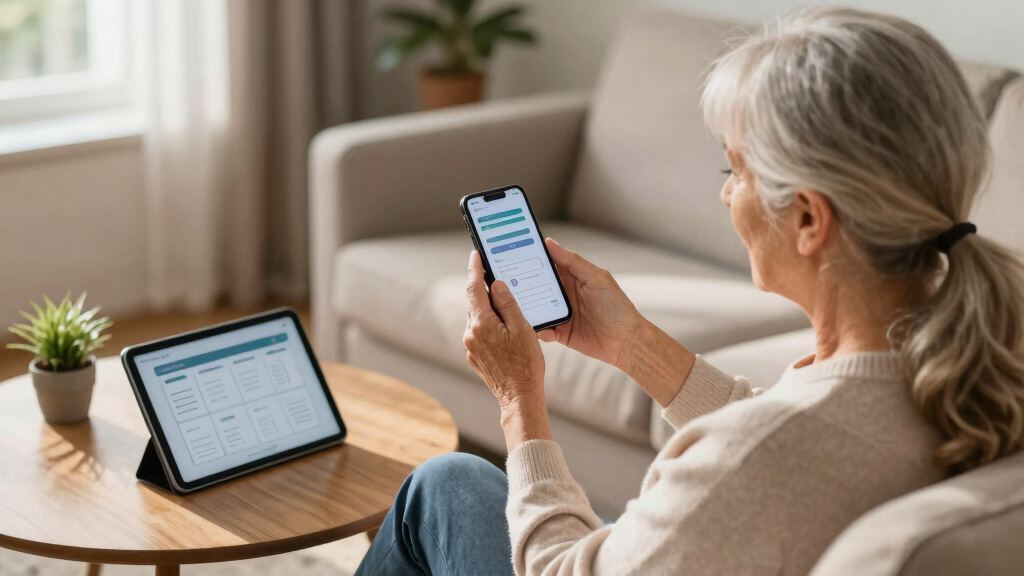
By switching to prepaid, Joan eliminated the fixed monthly cost and gained the flexibility to only pay when she needed to. This approach allowed her to better manage her finances, especially as she lives on a fixed income. The simplicity of managing her prepaid account — just a few taps on her tablet — made her feel more confident and independent in handling her phone service. This example illustrates how switching to prepaid can lead to significant savings and greater peace of mind for seniors with low call and data needs.
What to Look for When Choosing a Plan
- Coverage — does the provider work well in your area? Good coverage ensures you stay connected when you need it most, reducing frustration and missed calls.
- Cost — is the plan affordable for your budget? Finding a plan that fits your financial situation prevents stress and allows you to enjoy your phone without worry.
- Features — does it include voicemail, call forwarding, or international calls if needed? These features can enhance your experience but should match your actual needs to avoid unnecessary costs.
- Device compatibility — will your current phone work? Ensuring compatibility saves money and effort, especially if you want to keep using your existing device.
- Customer service — is support easy to reach and helpful? Good customer support can resolve issues quickly, giving you peace of mind and confidence in your plan.
Frequently Asked Questions
Are prepaid plans reliable and do they have good coverage?
Yes, many prepaid plans now use the same networks as major carriers, providing reliable coverage in most areas. Always check coverage maps before choosing a provider to ensure strong signals where you need them.Can I keep my existing phone with a prepaid plan?
In many cases, yes. If your current phone is unlocked and compatible with the provider’s network, you can transfer your number and keep using your familiar device — no need to buy new.What features are included in prepaid plans?
Most include unlimited nationwide calling and texting, with some offering additional options like voicemail, call forwarding, and international calls. Check each plan’s details to find one that fits your needs.Is managing a prepaid account tricky for seniors?
Not at all. Most prepaid plans have straightforward account portals or apps, and topping up is usually quick. Many providers also offer friendly customer service to assist if needed.Are there prepaid plans designed specifically for seniors?
Some providers now offer plans tailored for seniors, emphasizing simplicity, affordability, and easy-to-use devices. These are worth exploring if you want a fuss-free experience.Conclusion
For seniors who keep calls brief and infrequent, prepaid plans offer a clear advantage: simplicity, savings, and control. They turn your phone into a tool you manage, not a burden. Think about your usage — then pick the plan that fits like a glove. Your wallet and peace of mind will thank you.College move-in / dorm season Picks
dorm essentials
As an affiliate, we earn on qualifying purchases.